
Antique Pendant Fitting
An antique pendant fitting brings historic illumination to a room, offering authentic period character through brass, bronze and crystal hanging lights.
Antique Pendant Fitting
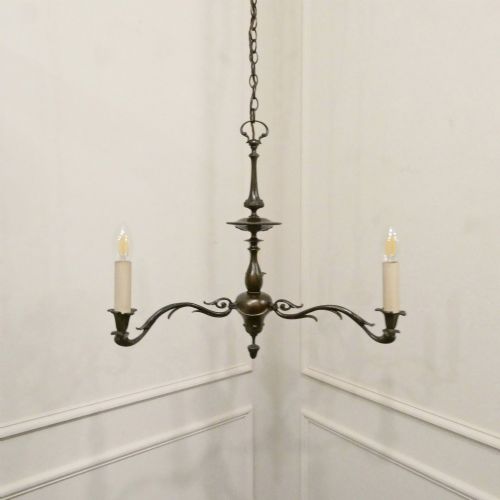
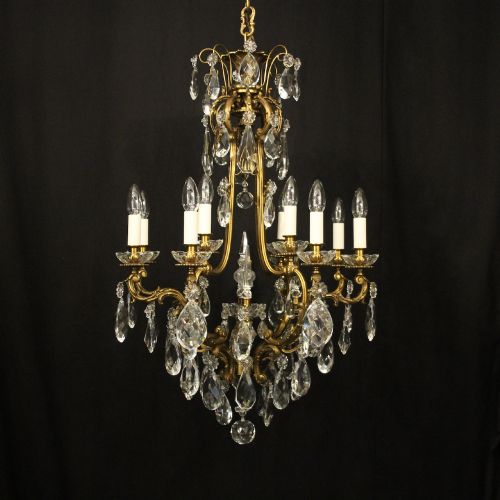
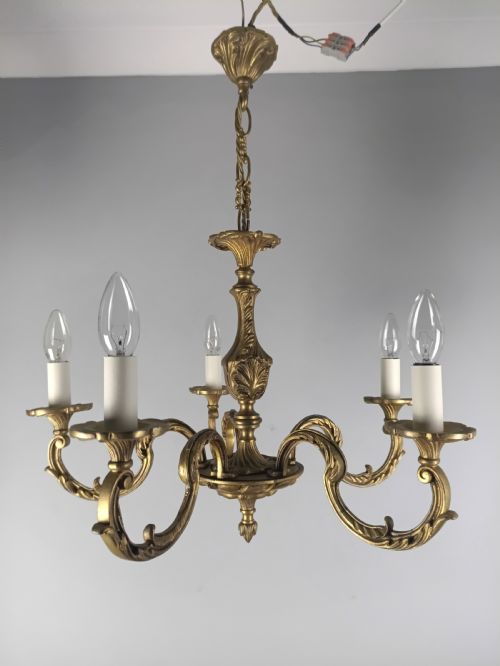
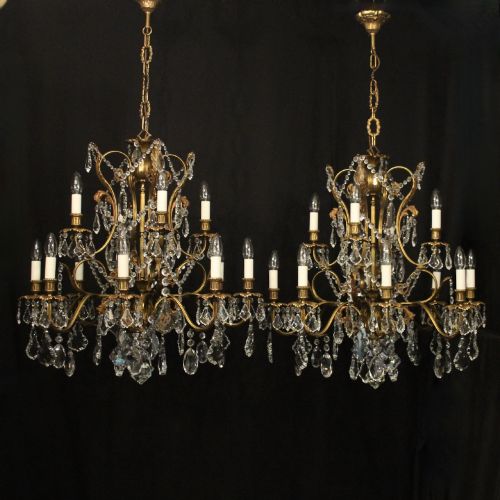
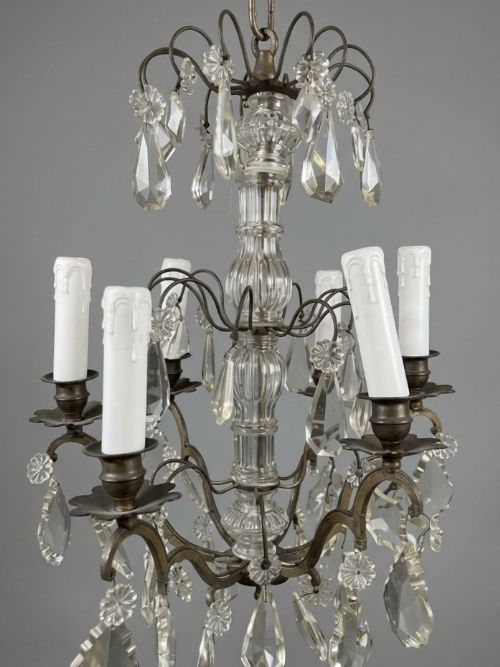
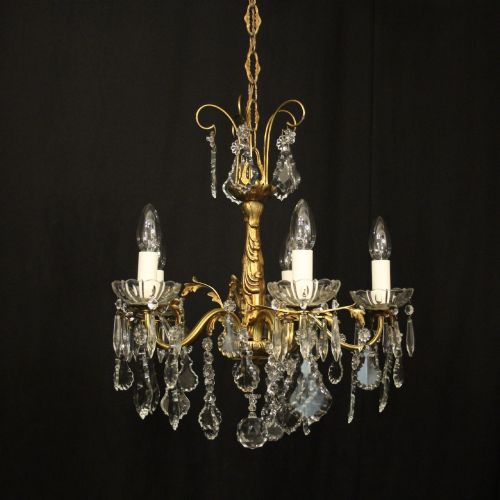
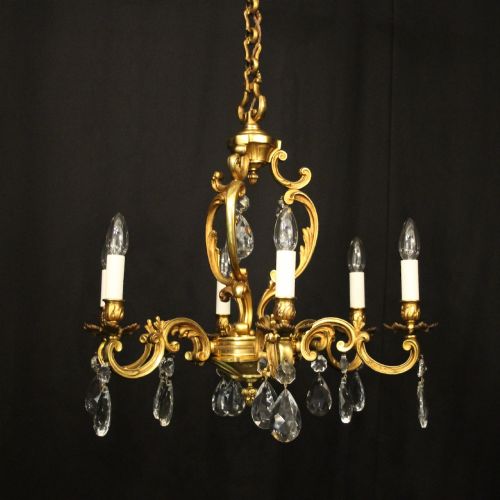
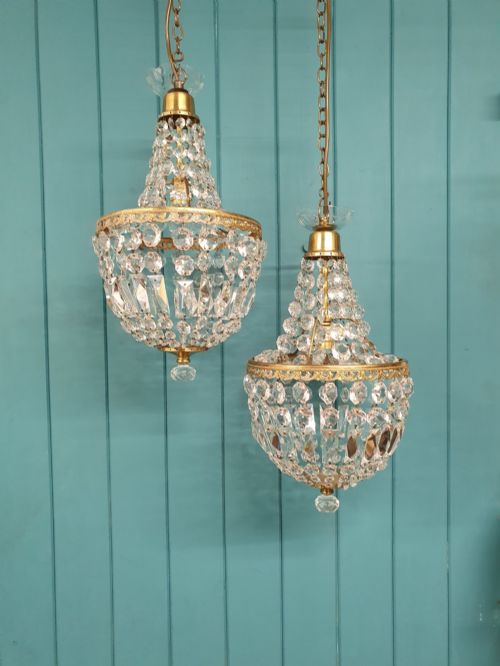
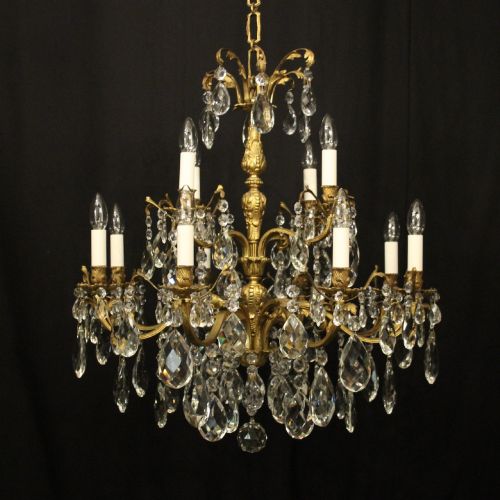
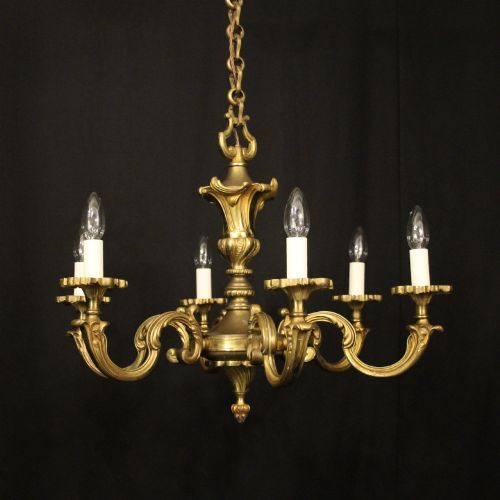
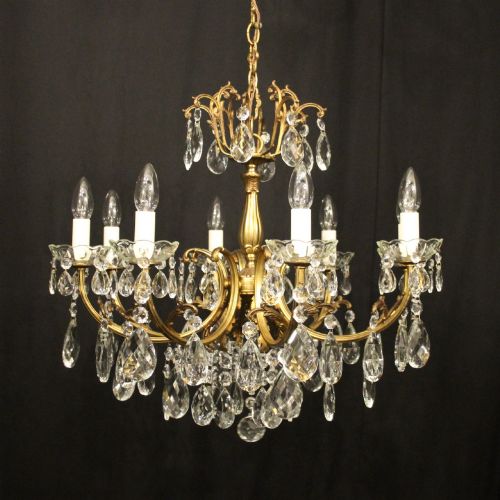
When you search for an antique pendant fitting, you encounter a diverse array of hanging illumination options spanning the nineteenth and twentieth centuries. These fixtures range from elaborate multi-armed chandeliers to modest ceiling lights, incorporating styles such as French Rococo, Edwardian, Art Deco and Industrial.
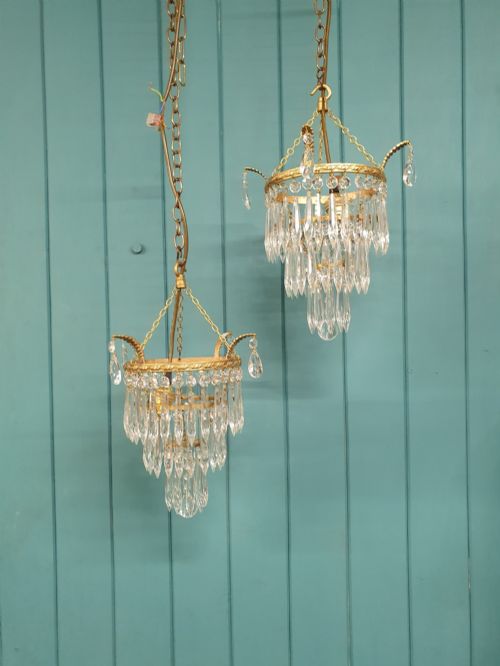
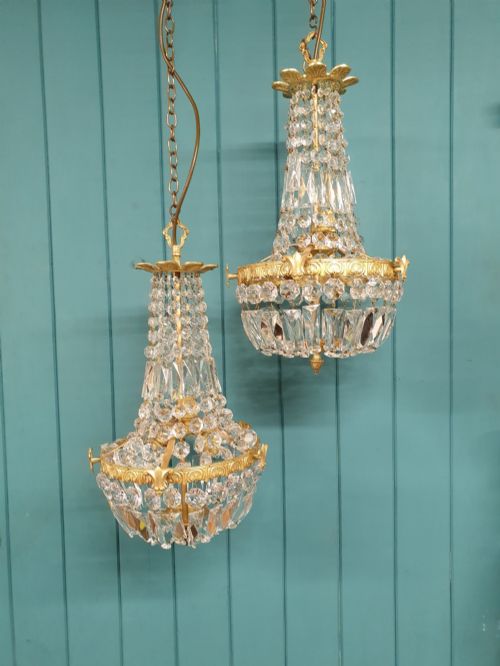
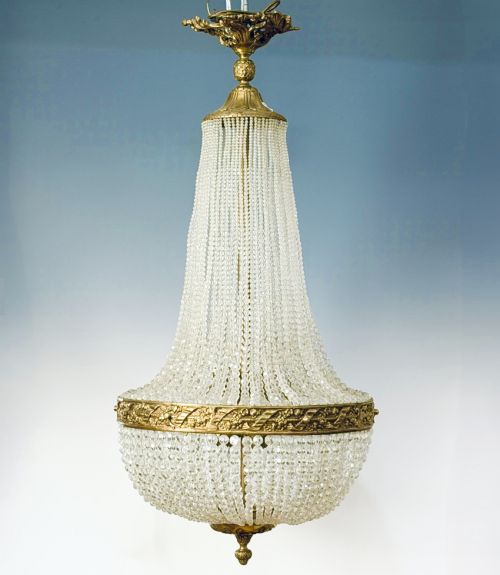
Forms vary from grand tent and waterfall designs to simpler single-light pendants, hall lanterns and flush-mounted plafonieres. Each piece reflects the decorative preferences of its era, from neoclassical symmetry to industrial utility.
Materials and Construction
Metalwork forms the backbone of these pieces, utilising cast and chased brass, bronze, gilt metal and occasionally spelter or tolewear. Artisans shaped these metals into structural arms, decorative frames and ceiling canopies, often applying gilding or patination for visual depth.
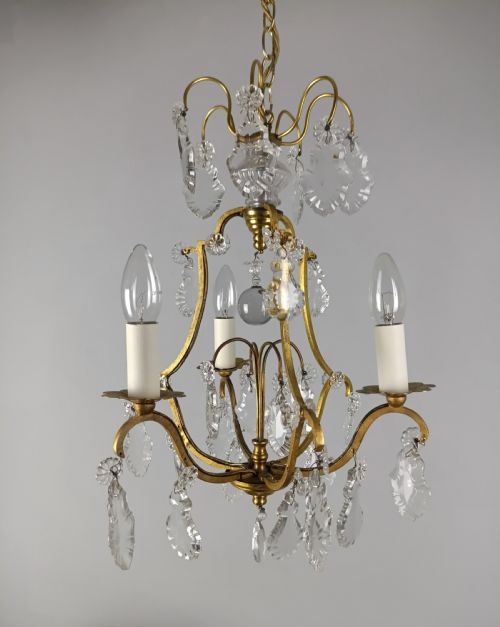
Glass and crystal elements define the refractive quality of many pendant fittings. Cut glass drops, beaded swags and moulded crystal spikes were hand-assembled onto the metal frames to catch and scatter light across the interior.
Specialised decorative details include hand-carved giltwood, applied porcelain flowers and ceramic components. These varied media demonstrate the traditional craftsmanship employed by period workshops and metalworkers.
The listings span eight distinct periods, from the nineteenth century through the 1940s, capturing shifts in domestic lighting design.
Evaluating Craftsmanship
Quality in an antique pendant fitting rests upon the crispness of the metal casting and the precision of the hand-chasing. Superior examples display sharply defined ornamentation on bronze and brass elements rather than soft, muddy contours.
The cut and clarity of the crystal components differentiate standard pieces from exceptional ones. High-grade cut glass and crystal exhibit sharp facets and high refractive brilliance, while lesser examples may use pressed glass with rounded edges.
Cohesion of design and integrity of construction determine the standing of a fixture. Master workshops maintained proportion across multi-branched arms and secured crystal drops with proper wire fastenings rather than expedient modern substitutes.
The Antique Pendant Fitting Glossary
- Pendant fitting
- A light fixture suspended from the ceiling by a chain, cord or rigid rod. These units serve as the primary overhead illumination in period interiors.
- Tent and waterfall
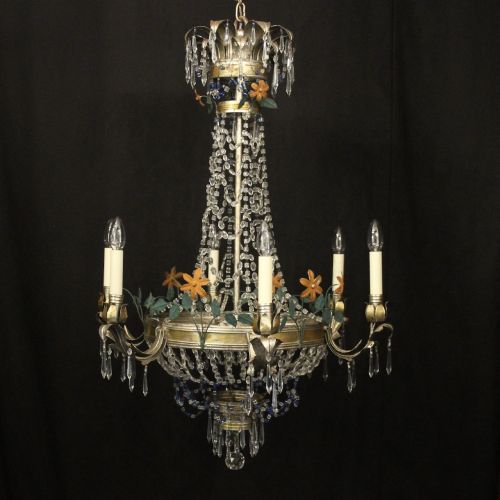
- A chandelier style featuring a gathered upper canopy of crystals resembling a tent, cascading down into a wider bowl or tier of drops below. This configuration maximises light refraction.
- Speltering
- A zinc alloy frequently used as a cheaper substitute for bronze in decorative figures and mounts. It requires careful plating or gilding to simulate more expensive metals.
- Plafoniere
- A ceiling light fixture mounted flush or very close to the ceiling surface, often utilising moulded or cut glass bowls held in metal frames.
- Tolewear
- Painted or lacquered metalware, commonly decorated with floral motifs in various colours. It adds a softer, decorative touch to period lighting.
Antique Pendant Fitting: Frequently Asked Questions
How do I hang a heavy antique pendant fitting?
Suspension requires securing the fixture directly into a ceiling joist or using a rated ceiling hook capable of supporting the combined weight of the metal and crystal. Professional installation by a qualified electrician ensures the weight is borne safely.
Older wiring must be replaced to meet modern safety standards while preserving the exterior structure of the light. An electrician can thread modern flex through the original central tubes without altering the outward appearance.
Can I adjust the height of these chandeliers?
Many pendant fittings hang from decorative chains which allow you to remove links to shorten the drop. However, altering rigid brass rods or fixed stems requires specialist metalworking skills.
Consider the ceiling height of your room and the clearance needed underneath the fixture before installation. Hallways and dining tables require different hanging heights for both practical and aesthetic reasons.
What is the difference between Edwardian and Art Deco fittings?
Edwardian lighting often draws on earlier neoclassical or French chateau revival styles, favouring ornate cast brass, elaborate crystal arrangements and flowing organic curves. These pieces project traditional elegance and substantial weight.
Art Deco fittings embrace geometric lines, streamlined forms and a more industrial or stripped-back aesthetic. They reflect the modern machine age through simplified profiles and starker metal finishes.