

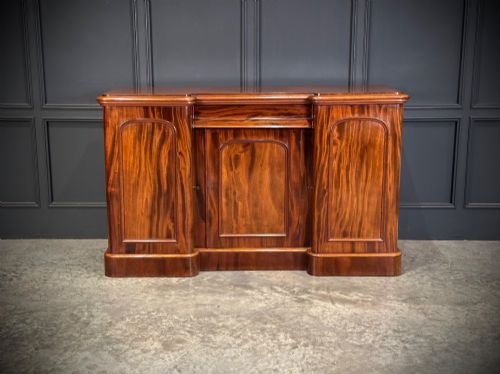


Antique Pedestal Base Buffet
These antique pedestal base buffet pieces offer substantial timber storage and formal presence, bringing period gravity to a dining room.
Antique Pedestal Base Buffet
An antique pedestal base buffet provides a commanding focal point for a dining room, combining heavy timber construction with internal shelving and drawers for service items. When searching for an antique pedestal base buffet, you encounter large sideboards, chiffonier bases, and twin pedestal formats designed to anchor a formal interior.
The examples gathered here span from the Georgian period through the Victorian era and into the Edwardian years. You find robust Georgian pine alongside richly figured Victorian mahogany and carved oak from the late nineteenth century.
Forms range from simple country house sideboards to breakfront chiffonier bases and mirror back configurations. The twin pedestal layout remains a predominant design classic among these offerings.
How they were made
Cabinet makers constructed these large pieces using solid structural timbers like pine and oak, often applying flame mahogany veneer to primary display surfaces. These materials provided both structural stability and striking grain patterns.
Decorative detailing relied on hand carving, geometric motifs, and subtle inlay work rather than applied plastics or modern laminates. Metal and brass hardware secured doors and drawers, while occasional glass elements appeared in related sideboard formats.
Antique Pedestal Base Buffet Retail Price Guide 2026
Typical asking prices for pedestal base buffet among the pieces listed under this phrase on Sellingantiques today, from the lower quarter to the upper quarter. They describe what is for sale here now, not the wider market.
One enthusiastic Victorian cabinet maker decided geometric oak carving and a mirror back were the absolute minimum requirement for polite dining.
What varies in quality
Quality reveals itself in the choice of timber veneer and the depth of the carving executed across the pedestals and doors. Pieces featuring figured flame mahogany or intricate geometric oak carving sit at the higher end of the scale compared to plain painted surfaces.
Construction methods also separate standard utility items from finer examples, particularly in the precision of the joinery and the integrity of the breakfront proportions. The handling of secondary woods like pine inside drawers and carcases points directly to the original workshop standards.
The Antique Pedestal Base Buffet Glossary
- Pedestal base
- A heavy supporting cabinet structure at each end of the sideboard body. These enclosed columns often contain fitted cellaret drawers or shelving.
- Breakfront
- A cabinet facade where the central section projects forward from the flanking pedestals. This architectural arrangement creates depth and shadow across the front.
- Flame mahogany veneer
- Thin slices of mahogany timber sliced to reveal a flickering, flame-like grain pattern. Cabinet makers applied these expensive veneers to primary doors and drawer fronts.
- Chiffonier
- A low sideboard or cabinet often equipped with drawers and doors below. The base versions omit the upper superstructure to present a clean top surface.
Antique Pedestal Base Buffet: Frequently Asked Questions
Where should a pedestal buffet go?
These large sideboards require a substantial dining room wall where their deep proportions and heavy pedestals will not obstruct movement. They serve both a practical storage function and a decorative role as a room anchor.
Ensure the chosen wall allows enough clearance for doors and drawers to open fully, as pedestal cabinets are deeper than standard sideboards.
How do I care for mahogany?
Keep nineteenth-century mahogany surfaces away from direct sunlight and strong heat sources to prevent the timber and veneers from drying out or splitting. Dust regularly with a soft, dry cloth rather than applying heavy silicone polishes.
Occasional waxing with a traditional beeswax feed maintains the natural lustre of the polished wood without building up a sticky residue.
Are these pieces strictly dining furniture?
While originally designed for dining rooms to store linen, silver, and serving dishes, their generous proportions suit wide hallways and large living spaces. The flat top surface provides an ideal platform for lamps, decorative trays, or art displays.
Internal shelving also makes them practical for organising books, glassware, or general household items in non-traditional rooms.
How do I distinguish Victorian from Georgian?
Georgian pieces often display simpler architectural lines, using solid timbers like pine or early mahogany with restrained decorative mouldings. They reflect a lighter eighteenth-century proportion compared to later nineteenth-century output.
Victorian examples tend to be heavier, incorporating richer veneers, elaborate geometric carvings, and more assertive pedestal structures that signal industrial-era prosperity.