

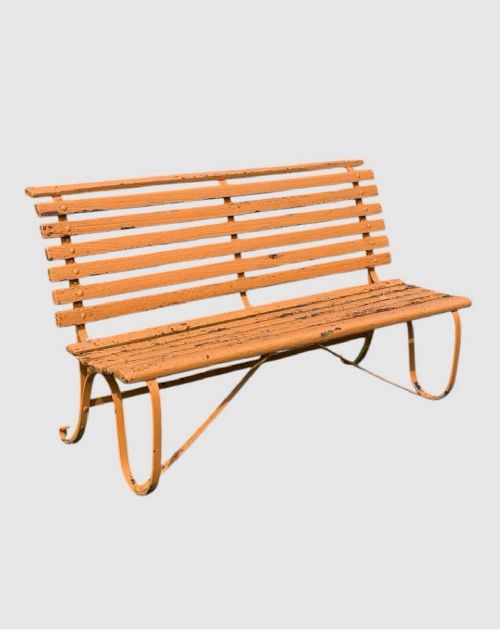


Antique Patio Seat
These antique patio seat pieces bring enduring metalwork and timber outdoors, offering practical garden seating shaped by Victorian and twentieth-century design.
Antique Patio Seat
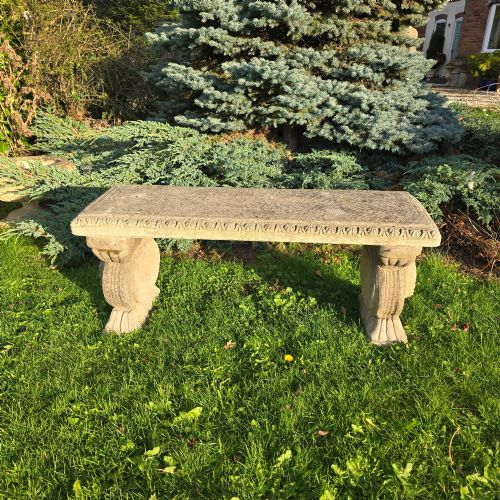
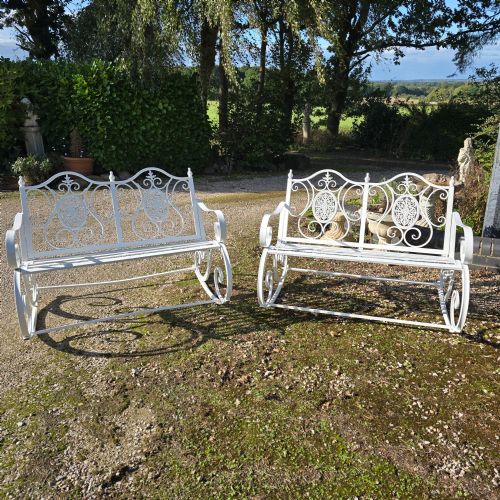
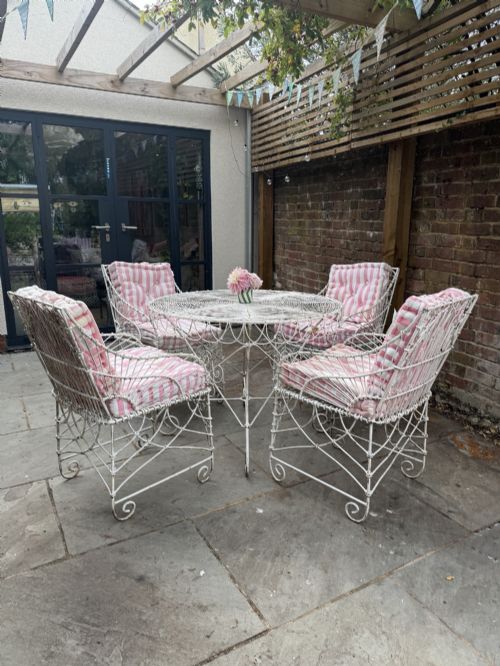
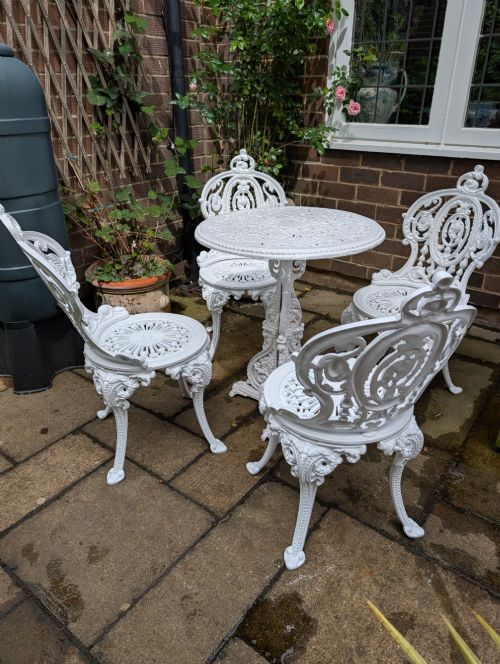
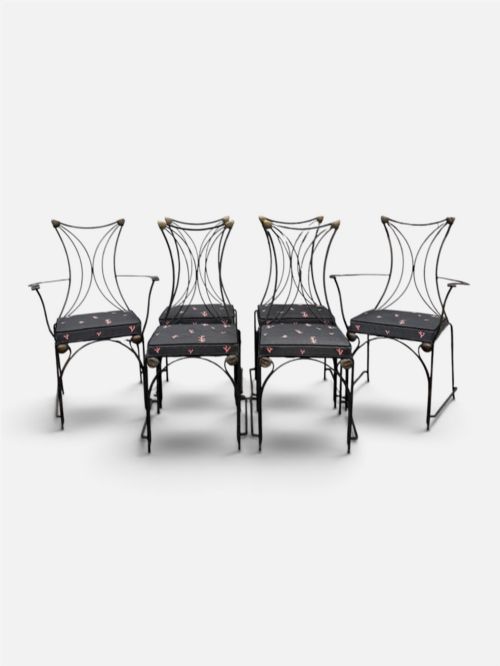
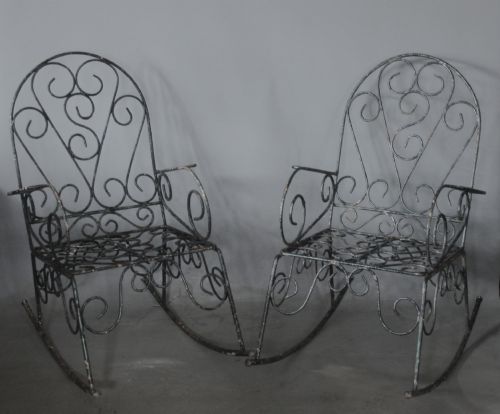
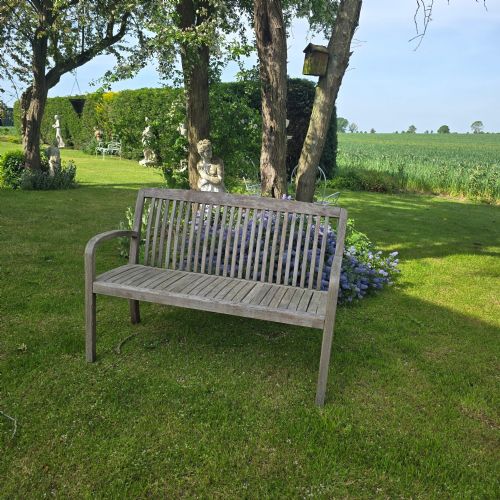
When you search for an antique patio seat, you find a varied selection of outdoor furniture ranging from single garden chairs and rocking benches to complete dining sets and bistro tables. The inventory includes forms like garden armchairs, strap work garden seats, and wirework tables designed for open-air use.
The pieces on this page span several distinct periods, most notably the Victorian era and the nineteen-thirties, alongside French bistro and Riviera styles. You will encounter individual benches paired with matching chairs as well as larger sets intended for lawns and terraces.
Materials and construction
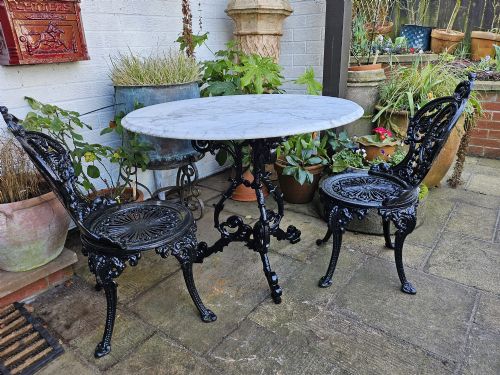
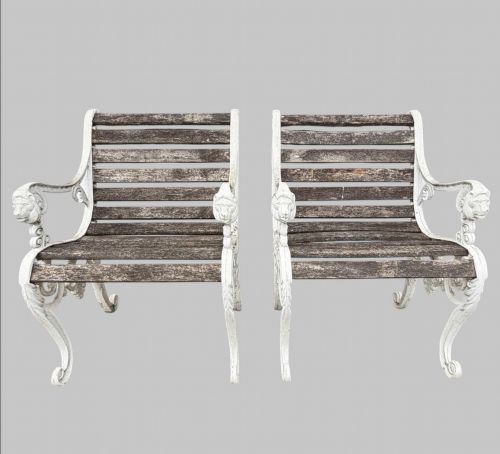
Makers utilised durable metals such as cast iron and wrought iron to build sturdy frames capable of withstanding outdoor conditions. Cast iron elements often incorporate decorative details like lion masks or gothic patterns.
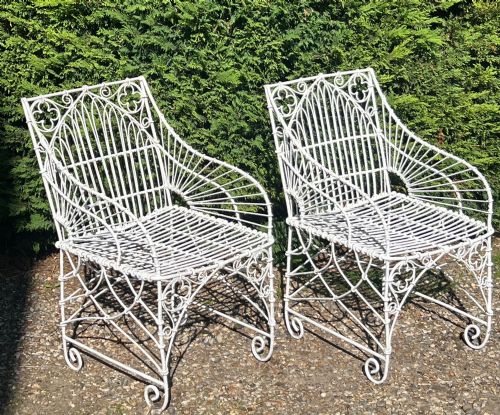
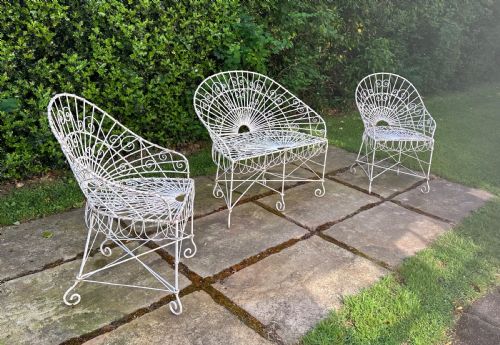
Wood and fabric feature alongside metal frameworks, while certain tables incorporate heavy marble tops. Wirework techniques appear in specific tables and chairs, creating intricate open structures characteristic of nineteenth-century garden furniture.
Antique Patio Seat Retail Price Guide 2026
Typical asking prices for patio seat among the pieces listed under this phrase on Sellingantiques today, from the lower quarter to the upper quarter. They describe what is for sale here now, not the wider market.
The listings span from the eighteenth-century Regency style up to nineteen-thirties interwar designs, utilising cast iron, wrought iron, wirework, and marble.
Assessing quality
Quality in these outdoor pieces rests on the complexity of the ironwork and the integrity of the original structure. Elaborate castings, such as gothic designs or sculptural lion masks, indicate finer workmanship than plain utilitarian frames.
The survival of matching sets, complete chair groupings, and intact marble or timber surfaces elevates the standing of a piece. Original painted finishes and balanced proportions further distinguish superior examples from simpler alternatives.
Christopher Dresser·Val D'osne
The Antique Patio Seat Glossary
- Cast iron
- A strong, rigid iron alloy poured into moulds to create decorative garden furniture. It allows for detailed relief patterns such as foliage and animal masks.
- Wrought iron
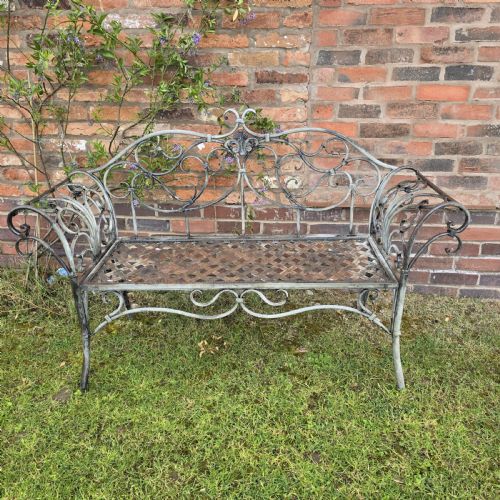
- Iron heated and hammered into shape by hand or machine. This material yields resilient frames with graceful curves.
- Wirework
- Metal strands bent and woven into open, geometric patterns. It defines lightweight nineteenth-century garden tables and chairs.
- Strap work
- Flat strips of metal arranged in intersecting geometric bands. This decorative technique appears on Regency style garden seats.
Antique Patio Seat: Frequently Asked Questions
How do I care for iron garden seats?
Keep the metal clean and protect finished surfaces from prolonged moisture exposure to prevent rust accumulation. Regular gentle maintenance preserves the structural integrity of outdoor seating.
Positioning furniture on dry paving rather than damp turf during winter months helps protect the lower frame from deterioration.
Can these chairs stay outside all year?
While metal garden furniture is built for outdoor use, severe frost and continuous winter dampness can damage timber components and painted finishes. Moving pieces to a sheltered porch or shed during the coldest months extends their lifespan.
Protecting sets with marble tops or wooden slats from freezing temperatures prevents cracking and warping.
What defines Victorian garden furniture?
Victorian pieces frequently employ heavy cast iron frames featuring ornate decorative motifs like gothic tracery or animal forms. These designs reflect the industrial capabilities and aesthetic tastes of the nineteenth century.
Such seating is typically substantial in weight and built for permanent placement in formal gardens.
How do I match chairs with an old table?
Look for matching materials, such as cast iron or wirework, and consistent period characteristics like strap work or French bistro styling. Proportions and leg height must align for comfortable dining.
Similar patination and weathering on the metal help disparate pieces appear unified when grouped together.