




Antique Parlor Desk
An antique parlor desk brings refined nineteenth-century writing habits into a modern room, offering compact proportions and rich timber character.
Antique Parlor Desk
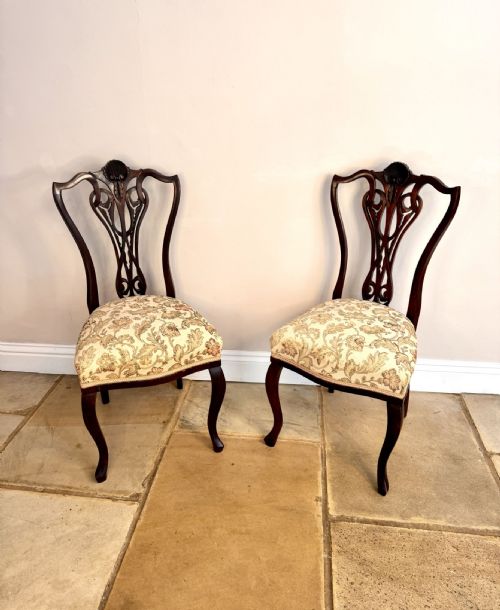
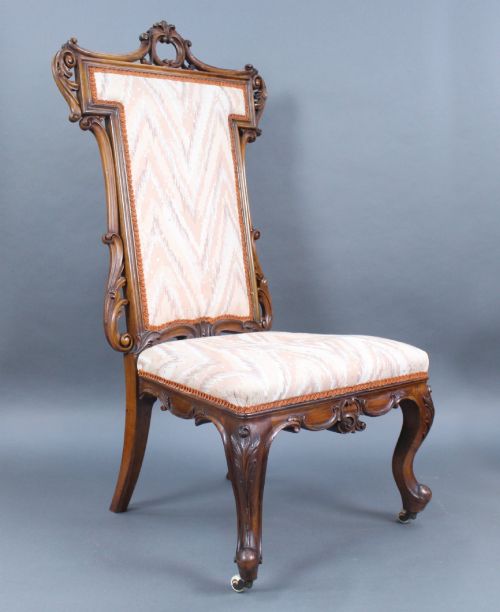
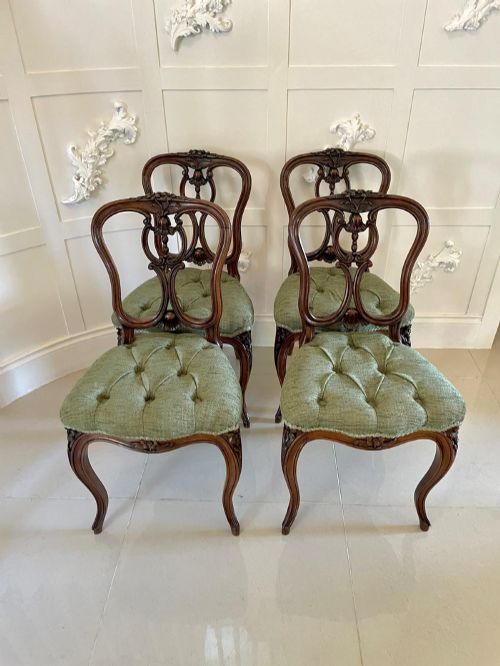
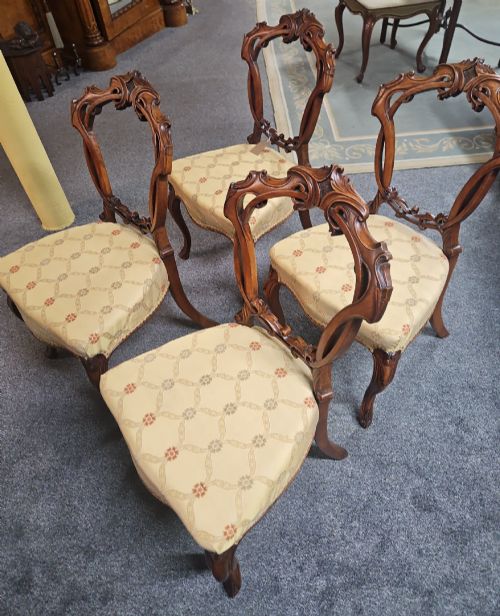
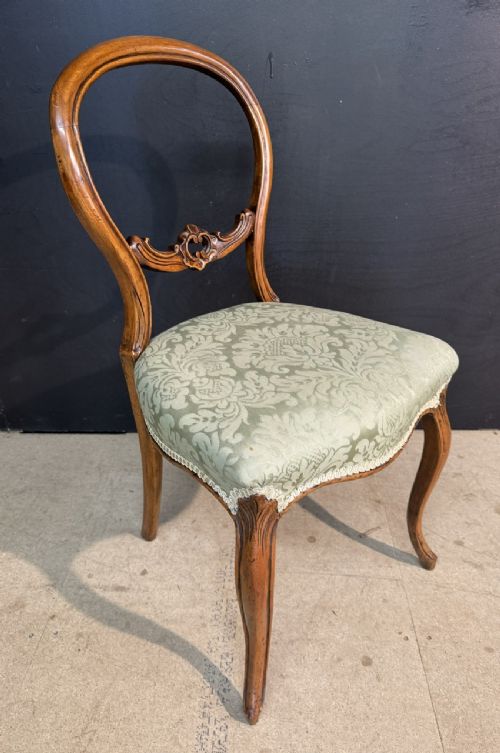
Buyers seeking an antique parlor desk encounter an intriguing variety of seating and tables from the Victorian and Edwardian periods rather than a single standardised form. The items listed under this heading span diverse timber furniture from the mid-nineteenth century up to the Edwardian era.
The selection typically includes versatile occasional chairs, side tables, and library tables constructed in mahogany, walnut, and rosewood. These pieces reflect the sophisticated domestic spaces of earlier centuries where writing and reading took place in private drawing rooms.
Construction and Materials
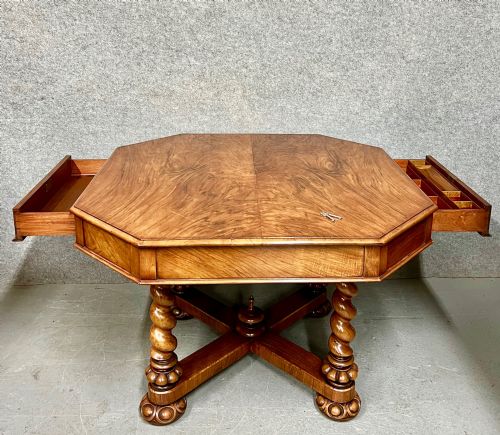
Cabinetmakers utilised dense hardwoods such as mahogany, walnut, and rosewood to build the structural frames of these tables and chairs. These timbers provided the durability required for daily domestic use while accepting intricate carving and delicate inlay work.
Surface decoration frequently incorporated marquetry and brass details, demonstrating high levels of nineteenth-century joinery skill. Upholstered elements used traditional fabrics and velvet to combine comfort with formal elegance.
Antique Parlor Desk Retail Price Guide 2026
Typical asking prices for parlor desk among the pieces listed under this phrase on Sellingantiques today, from the lower quarter to the upper quarter. They describe what is for sale here now, not the wider market.
Musicians once claimed specialised parlor seating designed to accommodate their instruments during nineteenth-century evening recitals.
Judging Quality
Superior examples distinguish themselves through the precision of their timber joints, the crispness of hand-carved details, and the integrity of original marquetry. Lesser pieces often show hasty assembly or replacement elements that disrupt the historical cohesion.
The choice of primary wood and the presence of sophisticated stylistic revivals, such as Louis XVI influences, elevate certain items above standard production furniture of the same era.
Jenks & Wood
The Antique Parlor Desk Glossary
- Marquetry
- Decorative veneer work arranged in intricate patterns on furniture surfaces. Craftsmen cut thin slices of different coloured woods to form pictorial or geometric designs.
- Ormolu
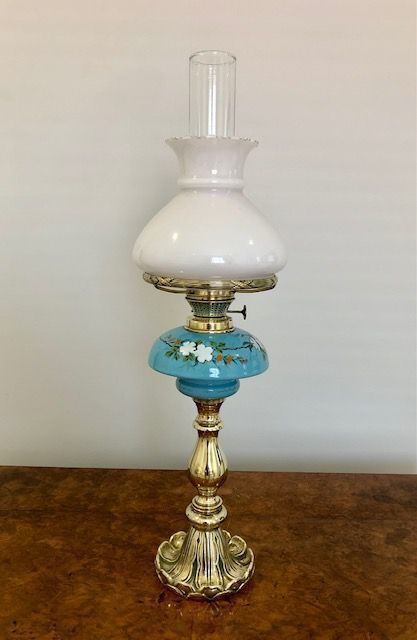
- Gilded bronze ornamentation applied to furniture and lamps. This finish provided a bright metallic contrast against dark timbers.
- Cabriole leg
- A furniture leg that curves outward and then tapers inward. This classic shape appears frequently on seating from the Victorian period.
- Drum table
- A circular library table featuring a deep top supported by a central pillar. These tables often incorporate drawers around the perimeter.
Antique Parlor Desk: Frequently Asked Questions
What is an antique parlor desk?
An antique parlor desk represents the refined writing and reading furniture used in nineteenth-century domestic drawing rooms.
These pieces range from compact tables to comfortable chairs designed for personal correspondence and quiet study.
How do I date these items?
Dating relies on observing the primary timbers, prevailing revival styles, and construction techniques evident in the piece.
Victorian and Edwardian examples display distinct shifts from heavy carved walnut towards lighter inlaid mahogany designs.
Where were these pieces used?
Such furniture occupied the private sitting rooms and libraries of nineteenth-century homes.
They served as functional surfaces for letter writing, reading, and receiving close guests.
How do I care for the wood?
Maintenance requires keeping the timber away from direct sunlight and sudden temperature shifts.
Regular dusting with a dry cloth helps preserve the polish and natural grain of mahogany and walnut.