

Antique Park Seat
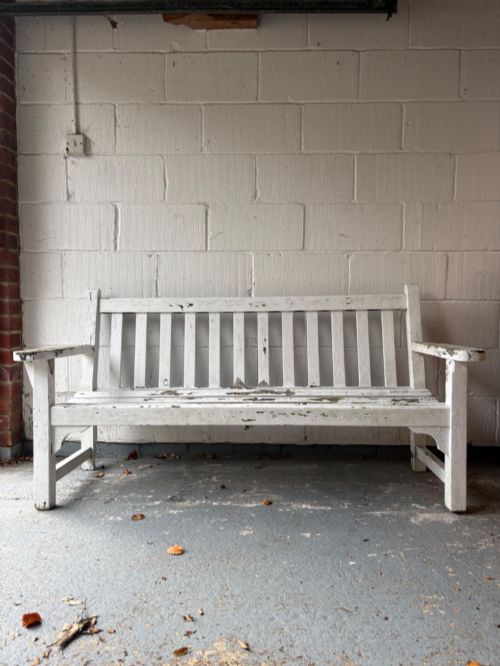
An antique park seat brings permanence to the lawn, offering heavy cast iron and weathered timber built to withstand the elements.
Antique Park Seat
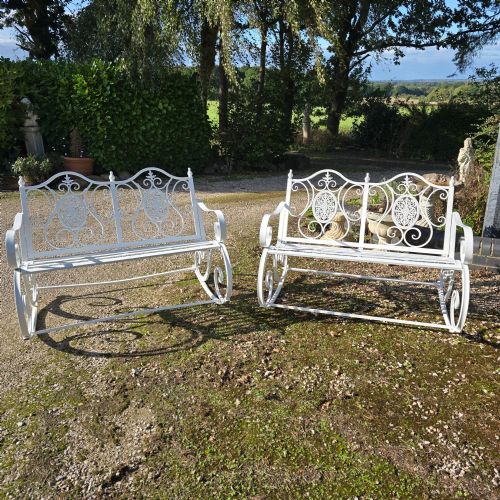
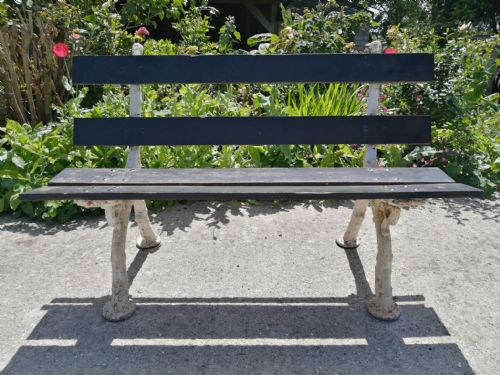
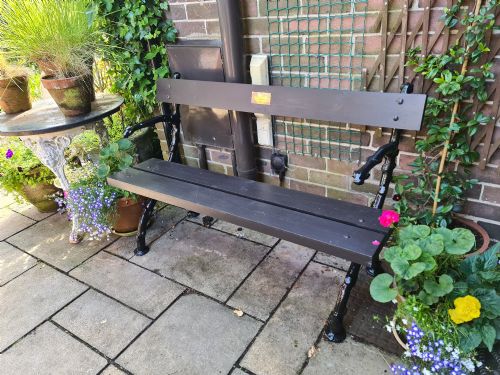
An antique park seat serves as a durable outdoor fixture, bridging domestic gardens and public grounds. Buyers searching for an antique park seat encounter robust forms ranging from simple wooden slats to elaborate ironwork.
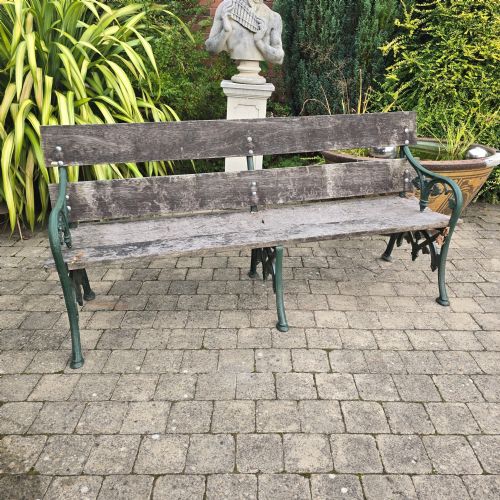
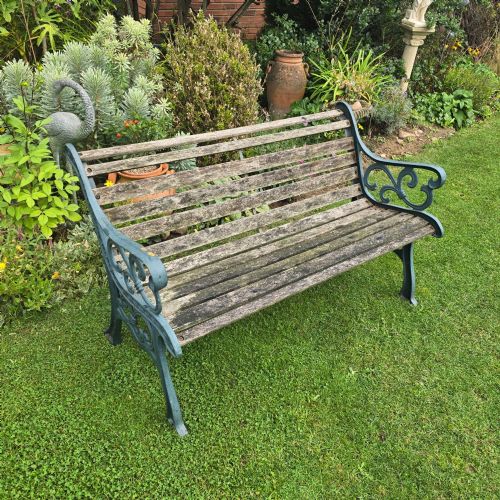
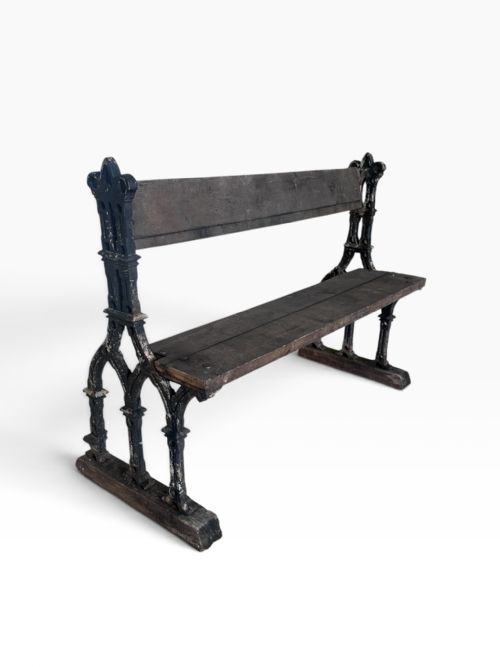
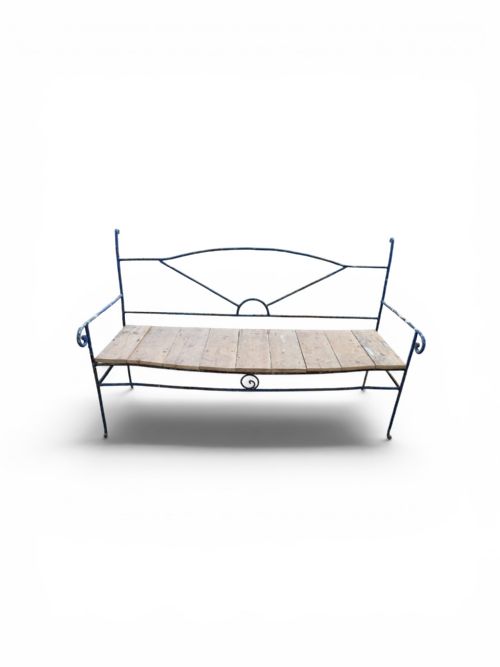
The selections span distinct eras, featuring nineteenth century gothic revivals, regency strapwork designs, and twentieth century utilitarian models. Most pieces discovered on this page combine sturdy metal frames with wooden seating slats.
Origins vary from English workshops to French provincial foundries, producing everything from two-seater garden benches to large four-seater park seats. These items provide both functional rest and decorative architectural presence in open air settings.
Materials and construction methods
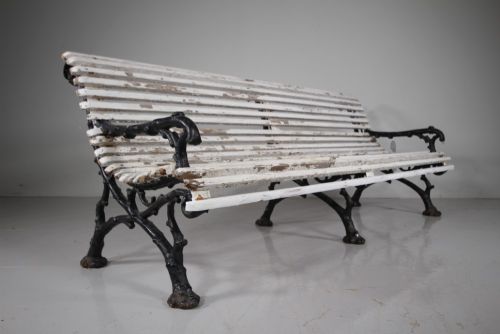
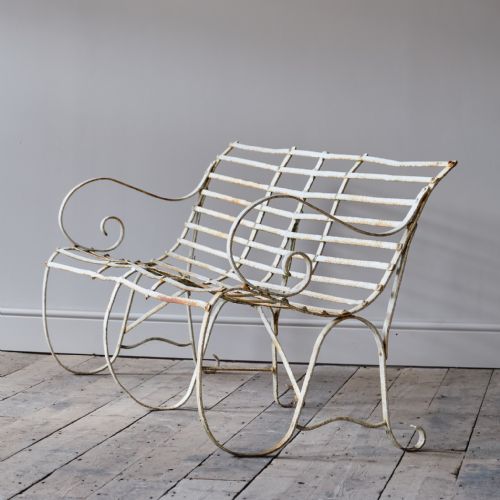
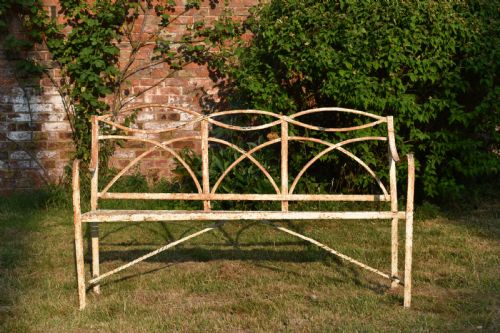
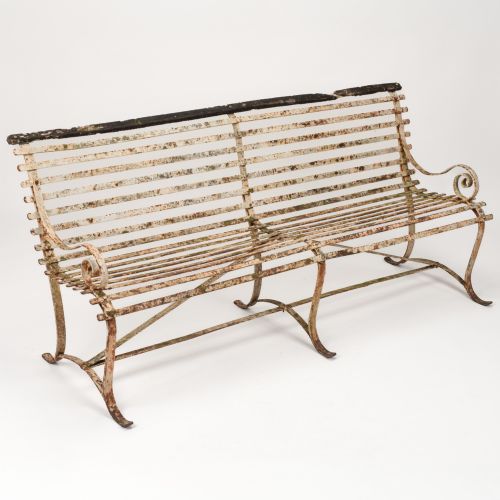
Makers utilised heavy cast iron and wrought iron for the structural ends and frames, creating intricate scrollwork, strapwork, and structural supports through sand casting and blacksmithing. These metal components frequently retain layers of original paint or protective coatings accumulated over decades.
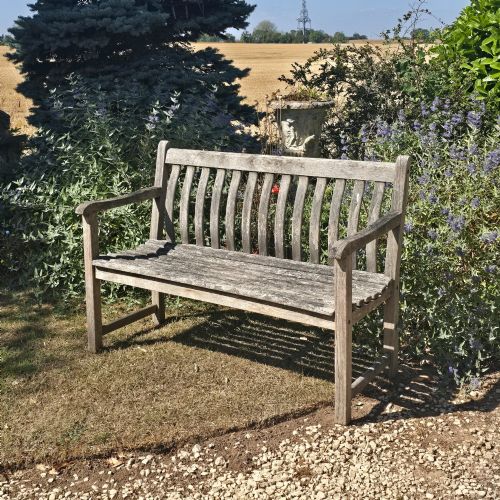
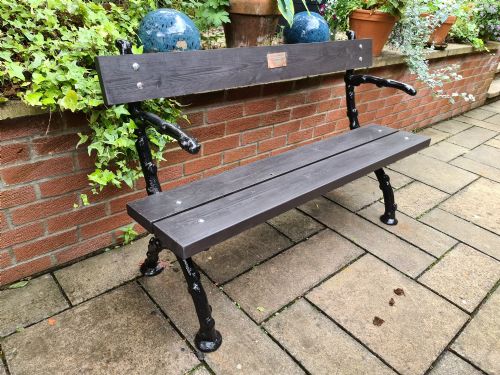
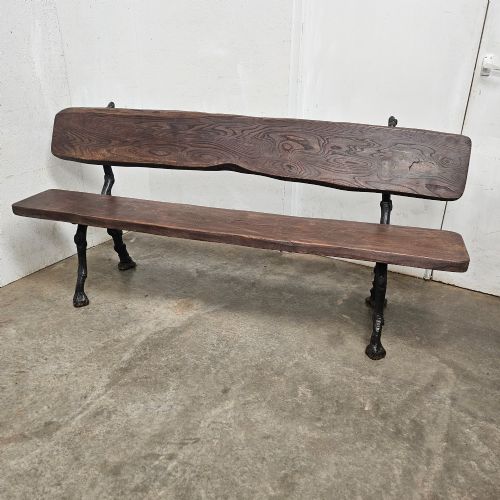
Timber elements such as teak, elm, and general hardwood form the slats for seats and backrests, fastened securely to the iron frameworks. Teak provided natural weather resistance for outdoor use, while elm and other timbers were shaped for comfort.
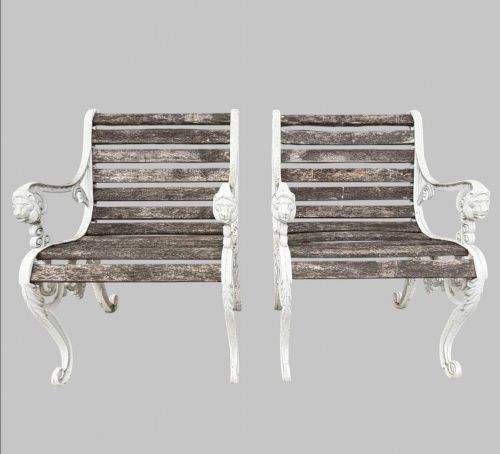
Foundries employed specialised patterns, such as faux bois techniques to mimic natural branches, or cast lion masks and gothic tracery directly into the iron. Every joint and fastening reflects period manufacturing standards designed to bear heavy outdoor use.
Antique Park Seat Retail Price Guide 2026
Typical asking prices for park seat among the pieces listed under this phrase on Sellingantiques today, from the lower quarter to the upper quarter. They describe what is for sale here now, not the wider market.
Listings feature items spanning the nineteenth century through the 1930s, constructed from cast iron, wrought iron, teak, and elm.
Assessing quality in garden seating
Quality rests in the crispness of the iron casting and the integrity of the original design proportions. Finer examples display sharp detailing in decorative motifs like strapwork or gothic arches, whereas lesser pieces show softened or blurred edges from worn production moulds.
The relationship between the metal framework and the wooden elements dictates the structural balance of the seat. Superior items retain matching timber slats and original cast components that have aged uniformly without excessive pitting or warping in the metal.
Coalbrookdale·Val D'osne
The Antique Park Seat Glossary
- Strapwork
- Flat bands of metal arranged in geometric interlaced patterns. This technique appeared frequently on regency and victorian iron bench frames.
- Faux bois
- An artistic imitation of wood or timber grain applied to other materials. Foundries used this method on cast iron frames to mimic rustic tree branches.
- Coalbrookdale
- A renowned nineteenth century ironworks famous for decorative garden furniture. Their gothic and naturalistic designs set the standard for park seating.
- Val D'osne
- A prominent nineteenth century French foundry known for elaborate cast iron garden ornaments. Their output included large gothic design benches and chairs.
- Arras
- A distinct style of French iron garden furniture featuring folded metal strapwork and scrolled legs. These pieces originated from northern French manufacturing traditions.
Antique Park Seat: Frequently Asked Questions
How do I care for an antique park seat outside?
Protect the timber components with appropriate outdoor oils while allowing the iron framework to retain its stable weathered finish. Positioning the seat on paved surfaces prevents ground moisture from accelerating decay in the wooden feet.
During harsh winter months, store the seat under a breathable cover or inside a dry outbuilding to preserve the original paint layers and structural timber.
Are these seats comfortable to sit on?
Period designs prioritized ergonomic support through curved wooden slats and angled backrests that accommodate natural postures. The generous proportions of nineteenth century park seats typically provide ample room for multiple occupants.
While some decorative iron forms feature rigid scrollwork, standard slatted variations offer a supportive seating experience suited for prolonged outdoor relaxation.
How can I date an iron garden bench?
Examine the complexity of the metal casting and the fastening methods used to secure the slats to the frame. Earlier nineteenth century examples often feature heavier hand-finished ironwork and specific gothic or regency strapwork motifs.
Twentieth century pieces tend toward simplified production techniques and standardised bolt configurations. Comparing the design elements against known foundry catalogues helps narrow the period of origin.
Can missing wooden slats be replaced safely?
Original timber slats can be replicated using matching hardwoods like teak or elm to maintain the structural integrity of the seat. Craftsmen match the thickness and profile of the surviving slats to fit the existing iron bolt channels.
Restorers preserve the original cast iron ends while renewing the wooden seating surface, ensuring the piece remains functional without losing its historical character.