

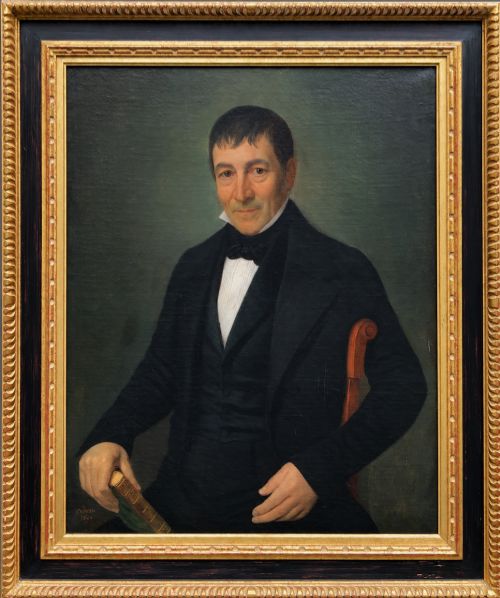
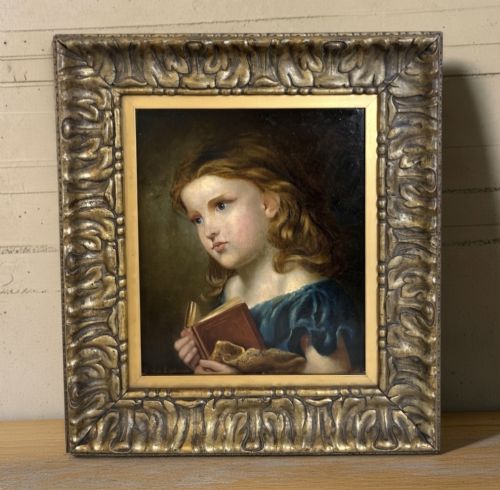
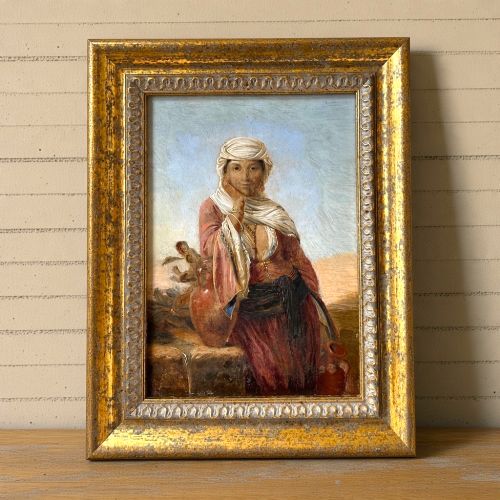
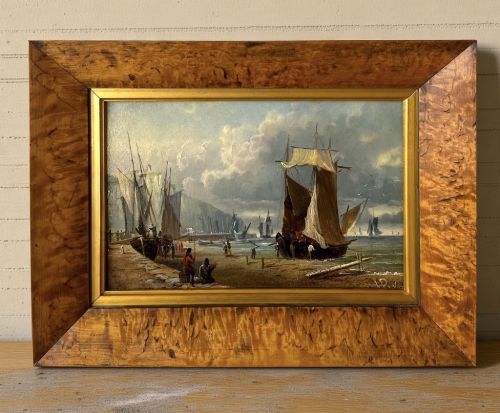

Antique Painting with Frame
An antique painting with frame brings centuries of hand-rendered oil work and original gilded timber directly to your wall.
Antique Painting with Frame
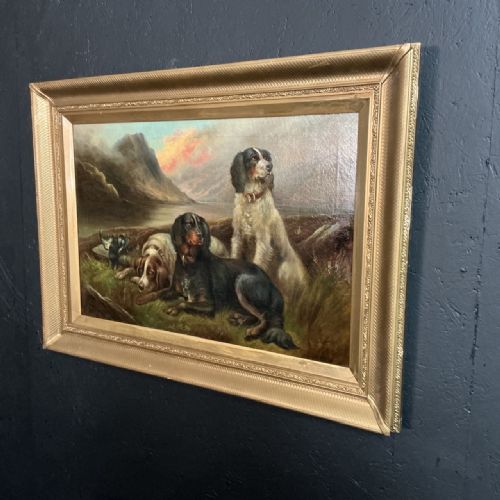
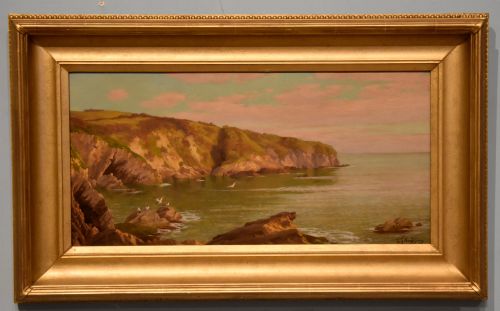
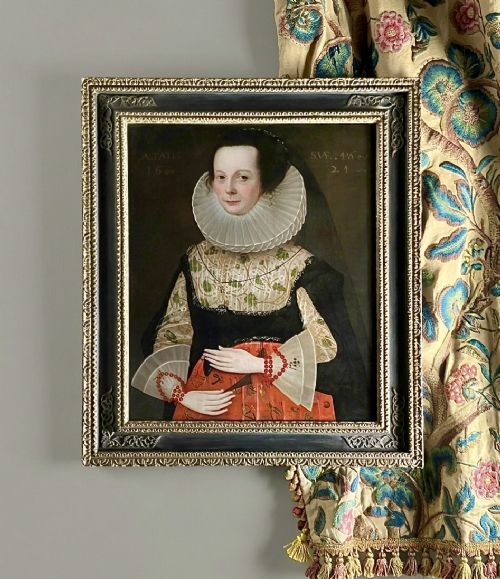
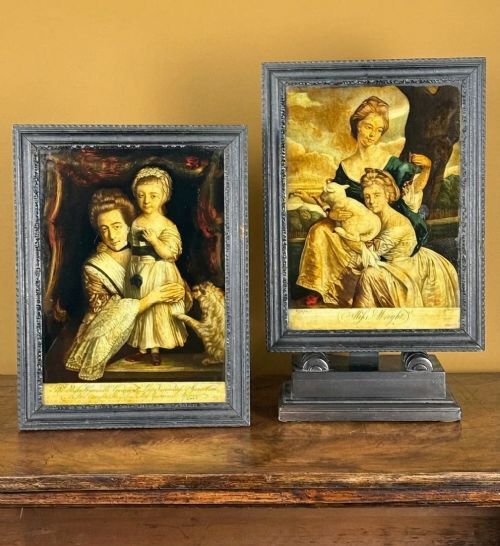
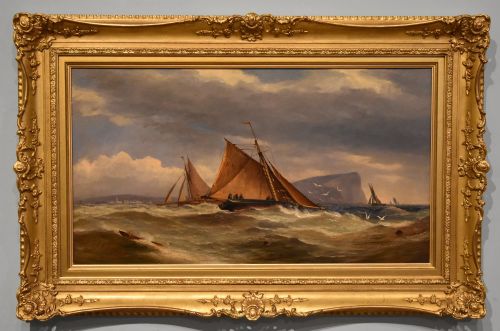
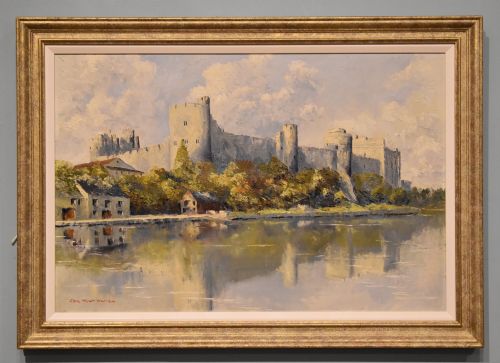
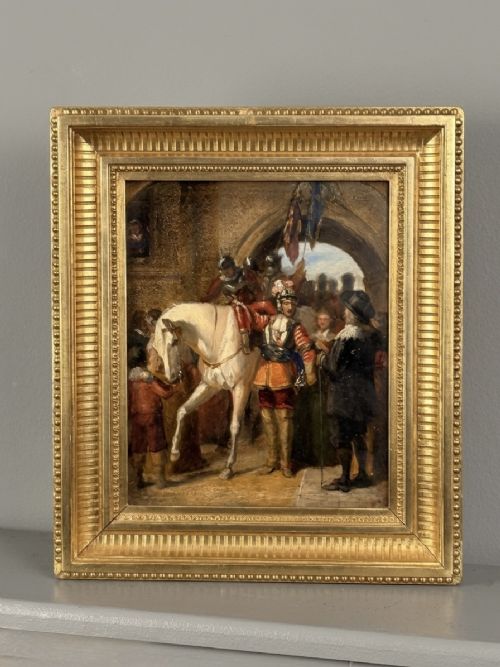
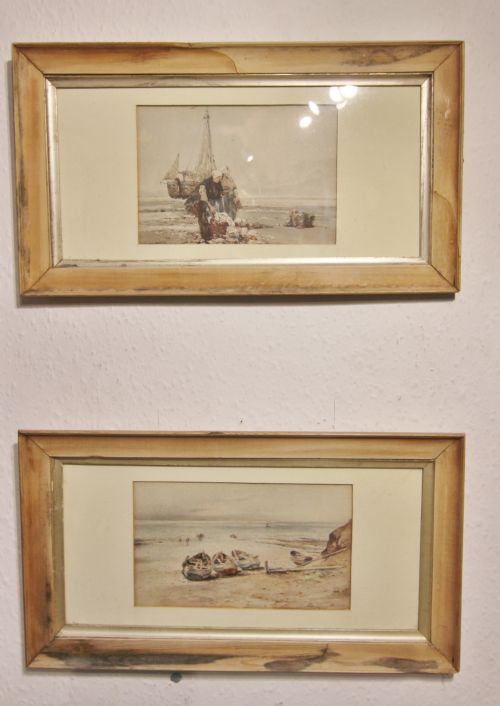
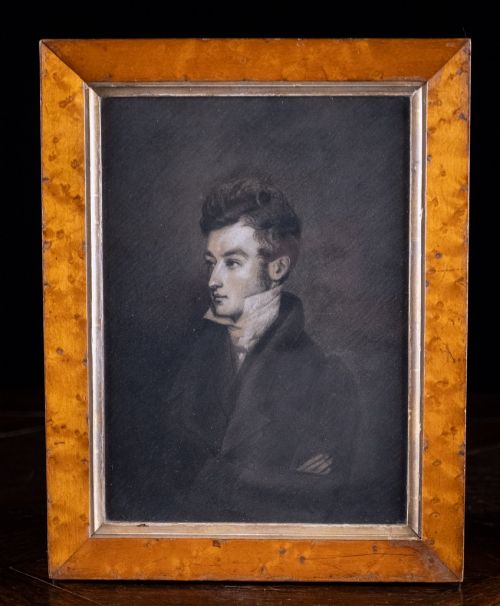
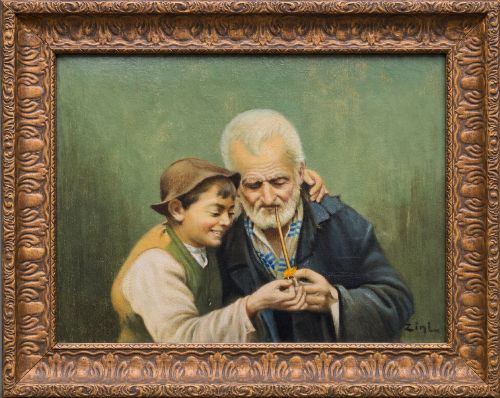
When you search for an antique painting with frame, you encounter centuries of canvas, panel and board works enclosed in their original or period surrounds. The selection spans 17th-century European portraiture and landscape to 19th-century Victorian pastoral scenes and Edwardian still life compositions. These works capture specific historical aesthetics through oil paint applied to stretched canvas or wooden panels.
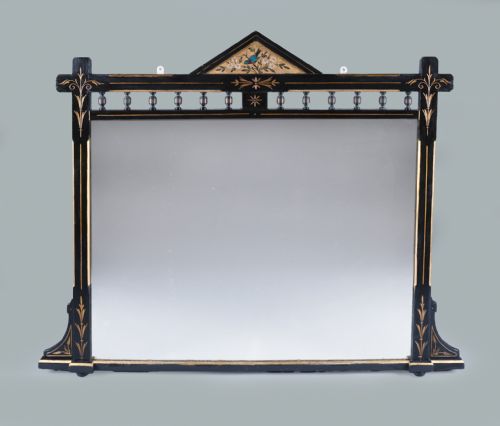
You also find hybrid decorative objects such as French trumeau mirrors incorporating oil paintings into carved wooden architectural panels. Subjects range from noble portraits and sporting dogs to rural landscapes and quiet domestic interiors. The frames themselves vary from simple timber mouldings to heavy, ornate giltwood constructions designed to complement the artwork.
How they were made
Makers built these pieces using oil paint on prepared canvas, wood panels or board supports, often layering pigments to achieve depth and luminosity. Canvases were stretched over timber frames and secured with handmade tacks, while panel paintings utilised seasoned wood to provide a stable painting surface.
Frames were constructed from wood such as pine, oak or composition material, then finished with layers of gesso, gold leaf or painted pigments. Carved decorative elements, gilding and applied plaster ornamentation adorned the timber mouldings to create cohesive decorative units.
Antique Painting with Frame Retail Price Guide 2026
Typical asking prices for painting with frame among the pieces listed under this phrase on Sellingantiques today, from the lower quarter to the upper quarter. They describe what is for sale here now, not the wider market.
Listings feature works spanning the seventeenth century through the Edwardian period, utilising oil paint on canvas and wood panel.
What varies in quality
The degree of artistic skill in brushwork, anatomical proportion and compositional balance separates master works from standard studio output. Pieces attributed to documented painters or specific regional schools display superior handling of light, shadow and texture compared to anonymous commercial works.
The integrity and originality of the surrounding frame heavily influence the piece, with period-matching or original giltwood mounts commanding greater visual and historical cohesion. Maintenance history matters, as original paint surfaces with minimal intervention retain more authenticity than heavily restored canvases.
Joseph Vivienne·Sir Peter Lely·Thomas Murray·Henry Pickering·Jeremiah Davison·Vittorio Reggianini·Vincent Clare·John Closterman·Francis Moltino·Edward Ladell·Gaspar Peeter Verbruggen
The Antique Painting with Frame Glossary
- Oil on canvas
- A painting technique where pigments suspended in drying oils are applied to a woven fabric support stretched across a wooden frame. This method became dominant from the Renaissance onward due to its durability and rich colour depth.
- Giltwood
- Timber, typically carved pine or hardwood, that has been coated with a thin layer of gold leaf or gold paint. It forms the lustrous surface seen on many formal period frames.
- Trumeau mirror
- A decorative wall mirror featuring an oil painting or panel set into the upper section of the carved wooden frame. These architectural pieces originated in 18th-century France.
- Oil on panel
- A painting executed on a flat wooden board rather than fabric. Panels provide a rigid support favoured in earlier centuries.
- Provvenance
- The documented history of ownership of an artwork, establishing its authenticity and lineage. Clear records connect a piece to its original commissioning context.
Antique Painting with Frame: Frequently Asked Questions
How do I date a frame?
Frame dating relies on the construction techniques, timber species, and decorative composition styles visible on the reverse and mouldings. Assemblage methods like corner mitres and the application style of gesso provide clear chronological markers.
Earlier frames often feature hand-carved wooden ornament, while later 19th-century examples frequently incorporate moulded plaster composition details. Comparing the rabbet and stretcher fit helps determine if the painting and frame have remained together since creation.
Are original frames important?
Original frames provide historical context and aesthetic balance intended by the artist or period framemaker. They protect the edges of the canvas or panel and complete the visual composition of the artwork.
A period-matching frame maintains the integrity of the piece, though many antique paintings were reframed over subsequent centuries to suit changing interior tastes.
What is a trumeau mirror?
A trumeau mirror is a decorative wall mirror that incorporates a painted panel or canvas directly into its upper wooden structure. Originating in French interior design, these pieces combined functional glass with pastoral or classical artwork.
They were designed to hang on specific pier walls between windows, reflecting natural light while serving as integrated wall art.