

Antique Painting of Yorkshire
An antique painting of Yorkshire captures the enduring character of northern landscapes, coastal harbours, and industrial valleys through the brush of historical artists.
Antique Painting of Yorkshire
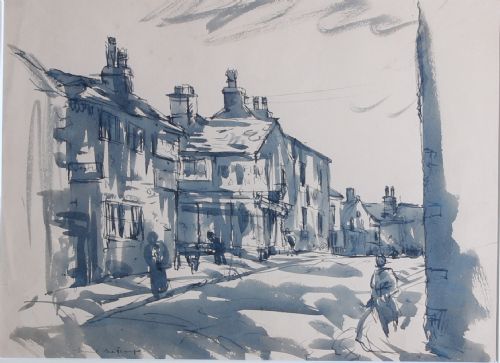
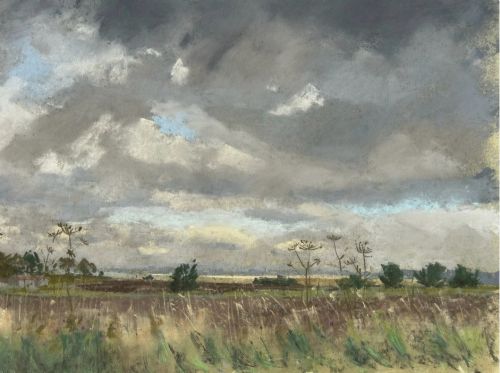
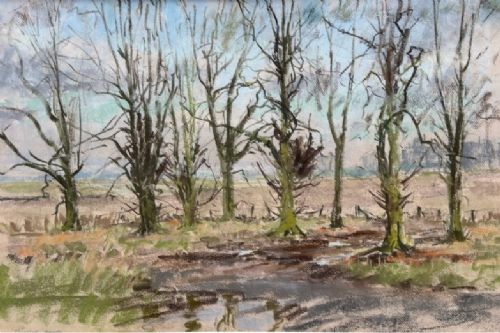
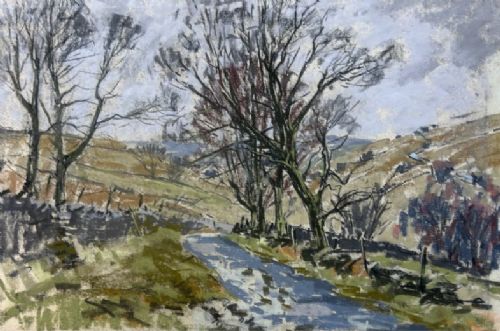
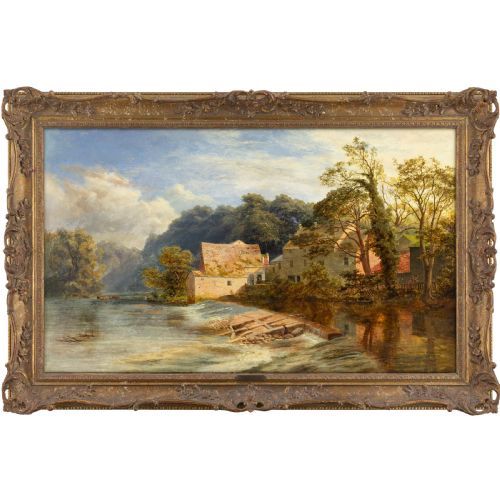
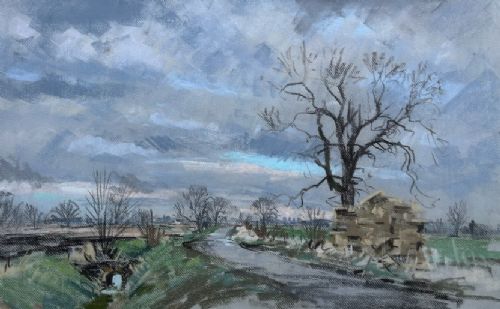
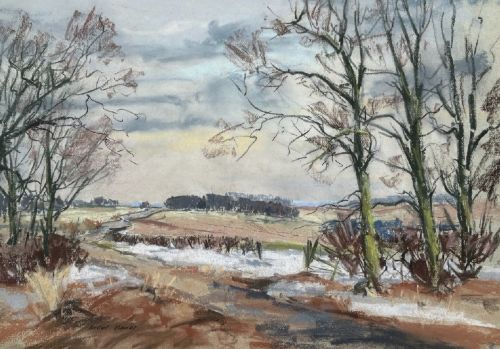
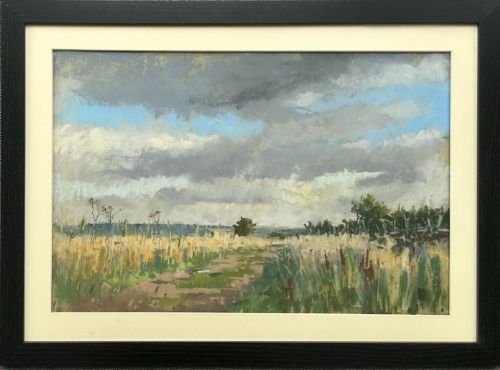
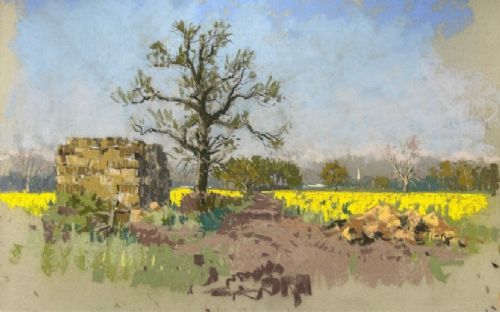
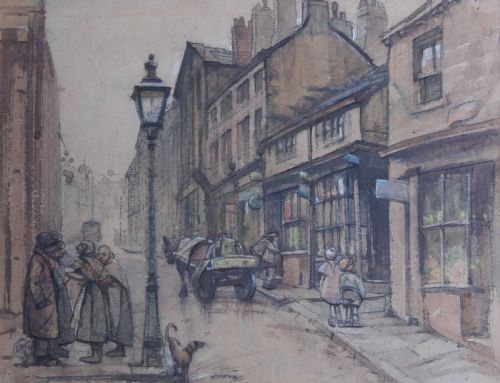
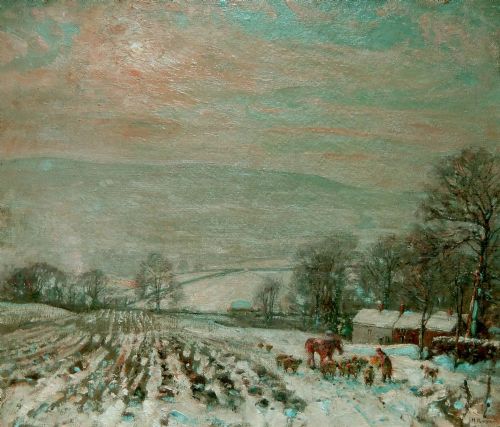
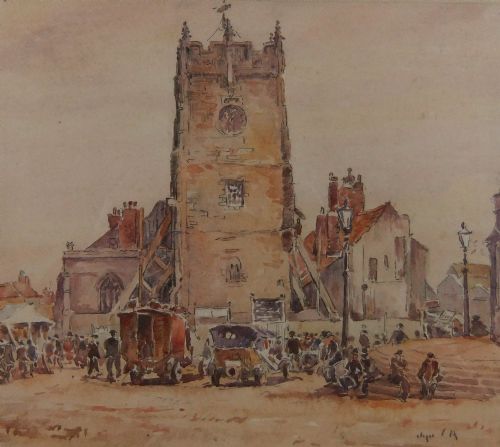
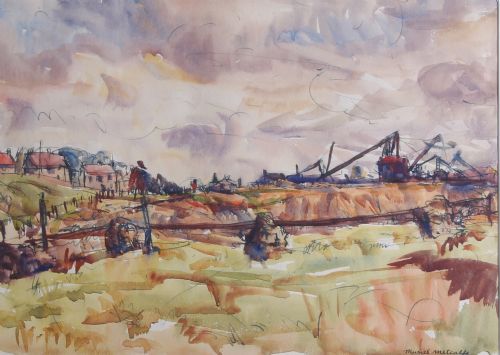
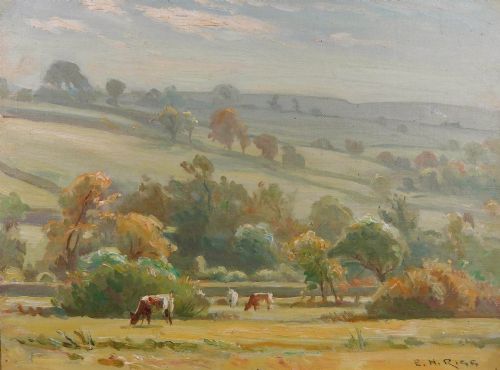
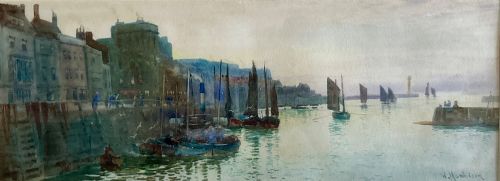
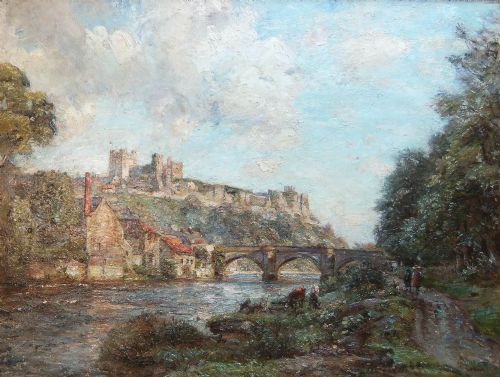
When you search for an antique painting of Yorkshire, you find original artworks depicting northern topography, rural life, and coastal scenes across the county. These works capture specific locations such as Whitby, Richmond, Staithes, and Wharfedale through varied regional perspectives.
The pieces on this page span from the Victorian period through the early twentieth century, encompassing movements like British Impressionism and Edwardian realism. You encounter both expansive landscape oils and detailed topographical watercolours on paper, canvas, or board.
Subject matter ranges from moody moorland farmyards and snowy dales to busy fishing docks and quiet village cottages. Each piece records a distinct visual history of the region through the specific lens of its creator.
How They Were Made
Artists painted on stretched canvas, wooden board, or heavy paper, utilising oil paint, watercolour pigment, or pastel according to their medium. Oil paintings on canvas provide rich texture and depth, while watercolours rely on fluid washes applied to paper.
Makers applied pigments with varied brushwork, shifting from the tight detail of nineteenth-century views to the looser, atmospheric handling seen in British Impressionism. Supports were secured in wooden frames that often reflect the period of creation.
Antique Painting of Yorkshire Retail Price Guide 2026
Typical asking prices for painting of yorkshire among the pieces listed under this phrase on Sellingantiques today, from the lower quarter to the upper quarter. They describe what is for sale here now, not the wider market.
Several artists recorded the domestic reality of painting by depicting their own homes and local farmyards alongside grand abbey views.
What Varies in Quality
Quality rests in the handling of light, atmosphere, and local topography rather than the mere familiarity of the subject. Stronger examples demonstrate confident brushwork and a distinct personal response to the northern landscape.
Condition plays a central role, distinguishing works with preserved pigment and clean paper from those affected by fading, foxing, or surface damage. The distinction also lies in the strength of composition, where skilled artists balance natural elements to anchor the view.
Cuthbert Crossley·Herbert Royle·Muriel Metcalfe·John Smith Atherton·Ernest Higgins Rigg·Alfred G. Morgan·William Matthison·William Greaves·Robert Little·William JB Jenkins·Fred Lawson·Arthur Reginald Smith·Reginald Grange Brundrit·George Graham·Arthur Tucker·Robert Leslie Howey·Owen Bowen·Tom Clough·Florence Hess·James Watson·Frederick W. Jackson·George Weatherill
The Antique Painting of Yorkshire Glossary
- Watercolour
- A painting method where fine pigment is suspended in a water-based solution and applied to paper. It allows for translucent washes and delicate atmospheric effects.
- Oil paint
- A slow-drying paint made with pigments suspended in a drying oil, typically linseed. It permits thick impasto application and rich blending on canvas or board.
- British Impressionism
- An artistic movement focusing on light, brushwork, and everyday subjects. Practitioners captured outdoor scenes with loose strokes rather than rigid academic detail.
Antique Painting of Yorkshire: Frequently Asked Questions
What periods do these Yorkshire paintings cover?
The selections span from the late seventeenth century through the Victorian era and into the early twentieth century, including significant output from the nineteen-tens, twenties, and thirties.
This broad timeline shows changing artistic approaches to the same northern landscapes over generations.
Where were these Yorkshire scenes typically painted?
Artists worked across diverse regional locations, from coastal fishing ports like Whitby and Staithes to inland dales such as Wensleydale and Wharfedale.
Industrial centres and rural farmyards near Halifax, Leeds, and Bradford also provided frequent subject matter.
How do I care for an antique watercolour?
Watercolours require protection from direct sunlight to prevent the pigments and paper from fading over time. Displaying them behind glass with conservation mounting helps maintain their condition.
Stable indoor humidity prevents warping and deterioration of the paper support.
What is the difference between oil and watercolour paintings?
Oil paintings use pigment suspended in oil on canvas or board, offering heavy texture, opaque coverage, and deep colour saturation. Watercolours use water-soluble pigments on paper, creating translucent washes and lighter effects.
Oils are generally framed without glass, whereas watercolours require glazing for protection.