

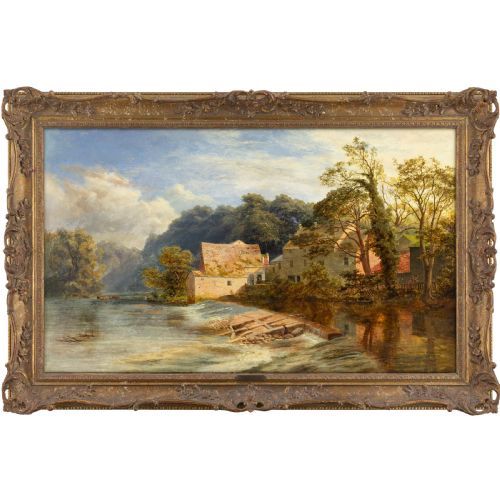
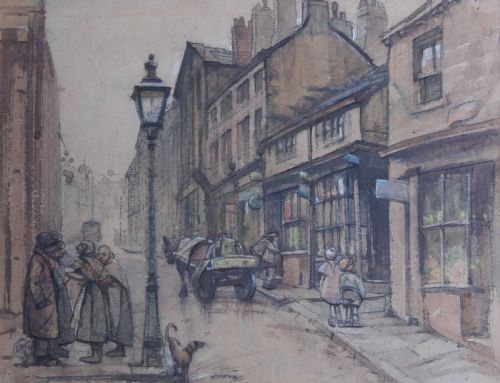
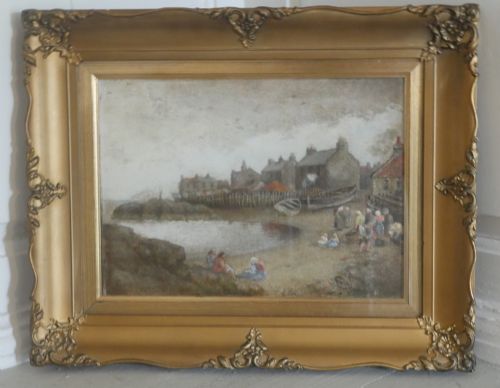


Antique Painting of Mill
An antique painting of mill subjects captures working rural architecture across Britain and the continent, offering a window into historic rural industry.
Antique Painting of Mill
When you search for an antique painting of mill, you encounter works spanning the nineteenth and twentieth centuries, ranging from pastoral watercolours to detailed oils. These pieces document watermills, windmills and industrial structures, often set within English, Welsh, Scottish or continental landscapes.
The selections on this page are most commonly Victorian and Edwardian works on paper, canvas or board. Artists from regional British schools and continental movements frequently depicted these structures for their picturesque qualities and central role in rural communities.
Judgments of quality
Quality in these rural scenes rests upon the handling of light, atmosphere and the integration of the mill structure within its landscape. Superior examples demonstrate confident brushwork or delicate wash control that defines water movement, weather and architectural detail without stiffness.
The distinction between standard decorative works and finer pieces lies in compositional balance and the artist's ability to convey a specific location, such as a Sussex stream or a Welsh river valley, with genuine topographical and atmospheric conviction.
Antique Painting of Mill Retail Price Guide 2026
Typical asking prices for painting of mill among the pieces listed under this phrase on Sellingantiques today, from the lower quarter to the upper quarter. They describe what is for sale here now, not the wider market.
One portrait captures a wool tweed manufacturer proudly wearing his ceremonial red tunic while identified by his local mill.
Edward Mills·Fred Stead·John Lindsay Scott·Percy Lancaster·William Tatton Winter·Henry John Kinnaird·William Henry Mander·Thomas Mackay·William Greaves·Fred Lawson·Kershaw Schofield·William Mitchell·Joseph Murray Ince
The Antique Painting of Mill Glossary
- Watercolour
- A painting method where fine pigment is suspended in water-based solution, typically applied to paper to achieve translucent effects.
- Oil on Canvas
- Pigment mixed with drying oil applied to a stretched woven fabric support, prevalent throughout nineteenth-century British art.
- Board
- A rigid flat support used by artists instead of canvas or panel, frequently seen in portable plein air landscape studies.
- Gilt Wood
- Timber framing finished with a thin layer of gold leaf or metallic gilt, commonly paired with traditional landscape paintings.
Antique Painting of Mill: Frequently Asked Questions
What periods do these mill paintings come from?
The works originate largely from the nineteenth and early twentieth centuries, capturing evolving artistic styles from Victorian realism to early twentieth-century British and continental impressionism.
Dating is determined through artist records, stylistic markers and framing techniques associated with periods like the Victorian era and the 1920s.
How do I care for an antique watercolour?
Watercolours require protection from direct sunlight to prevent fading of the delicate pigments used in nineteenth-century landscapes.
Keep them away from damp environments and ensure they are framed under glass with proper acid-free mounting.
What is the difference between watermills and windmills in these works?
Watermills are depicted near rivers, streams and weirs, often featuring millstones and water channels integral to rural manufacturing.
Windmills appear more frequently in open flat landscapes, such as Dutch scenes or coastal areas, utilising wind power.
How do I identify a regional British school painting?
Regional school works often focus on specific local topography, such as Yorkshire streams, Welsh valleys or Scottish rivers, recorded by artists active in those areas.
Inscriptions on the reverse or contemporary exhibition labels frequently name the exact mill and county.