




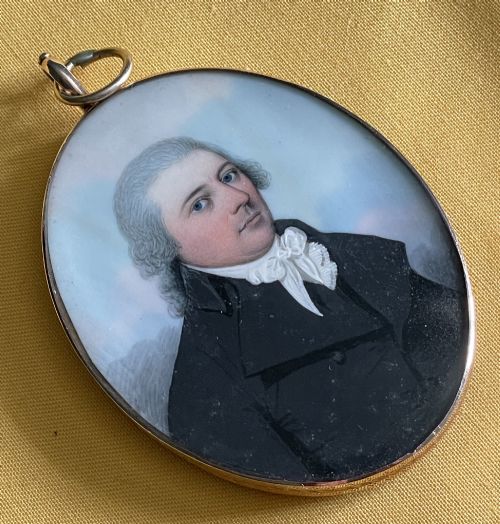
Antique Painted Pendant
An antique painted pendant carries a hand-painted portrait or floral motif in gold, silver, or enamel, offering a miniature work of art to wear close.
Antique Painted Pendant
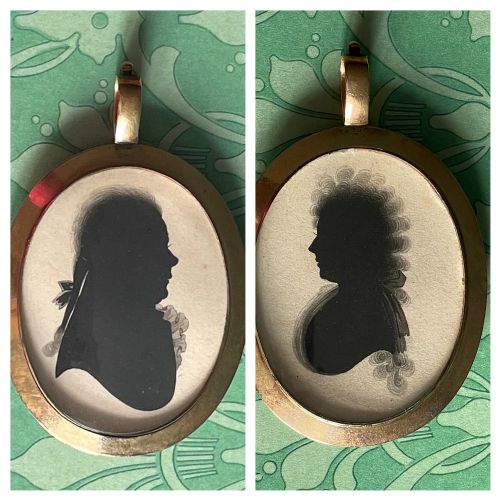
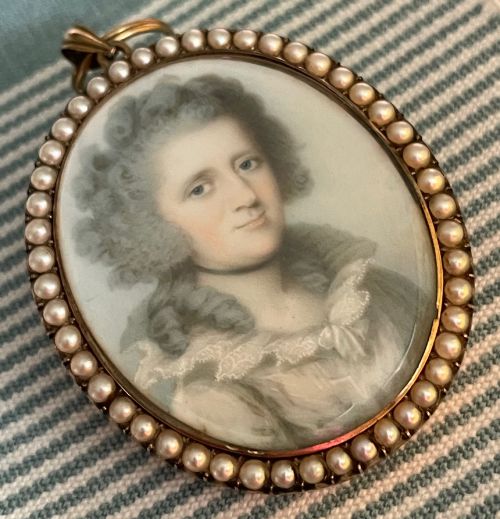
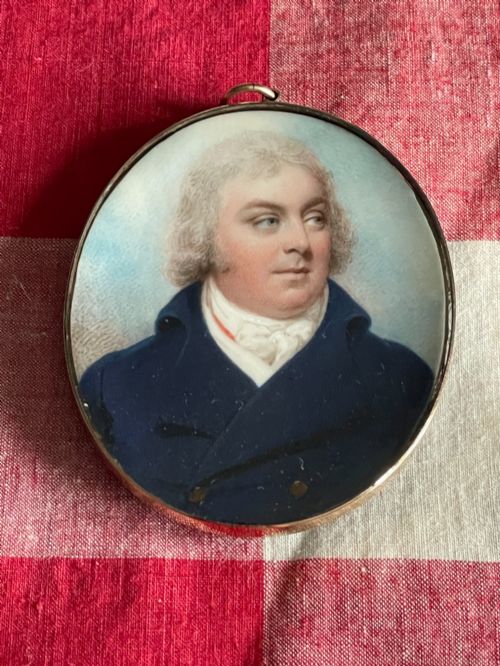
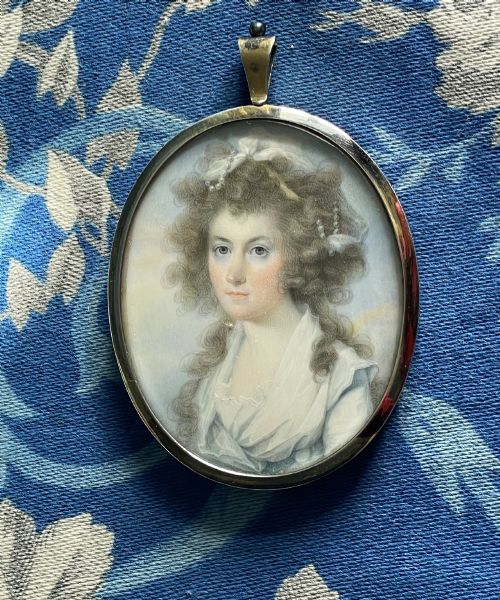
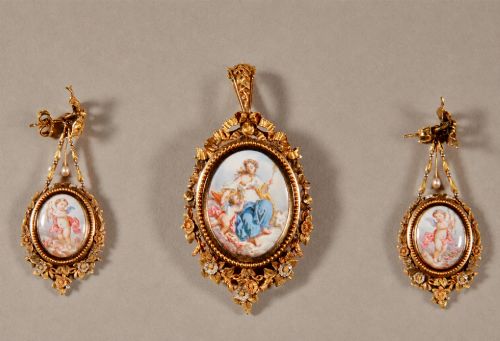
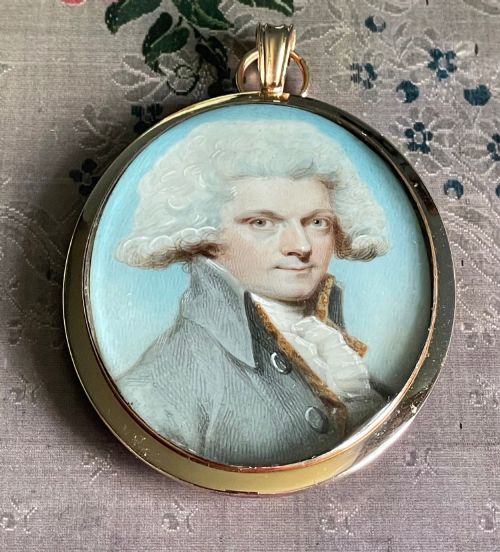
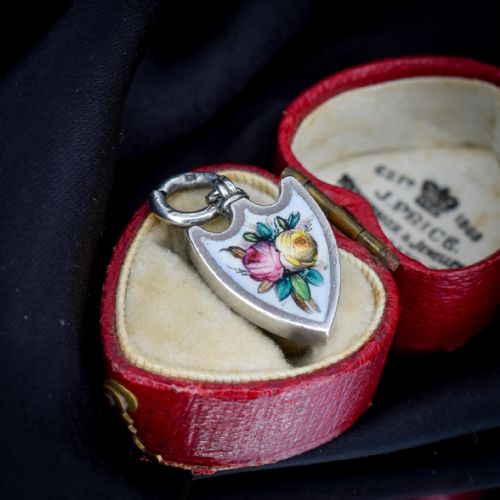
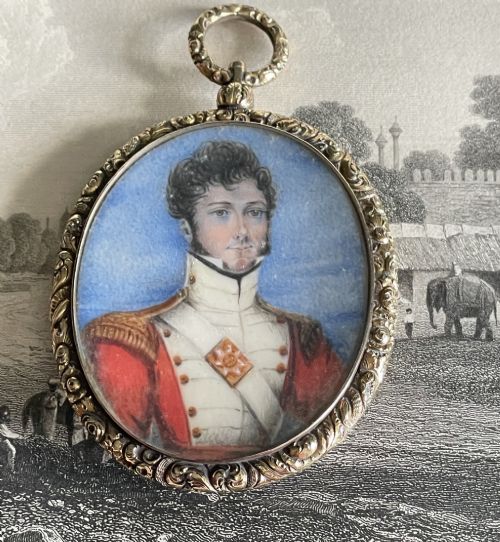
An antique painted pendant encompasses miniature portraits and decorative pieces designed to be worn or displayed, drawing on Georgian, Victorian, and Edwardian traditions. When searching for an antique painted pendant, buyers encounter portrait miniatures rendered in watercolour or enamel alongside painted glass and enamel shields. These items frequently originate from the eighteenth and nineteenth centuries, often set in gold frames or silver mounts.
The form bridges personal keepsake jewellery and fine art, shifting from Georgian military portraits on gold to Art Nouveau silver necklaces and 1920s enamel charms. Many examples double as lockets or brooches, combining miniature painting with precious metals. This page centres on these wearable and decorative painted works, representing distinct periods of craftsmanship.
How They Were Made
Makers painted delicate portraits using watercolour on ivory or vellum, or applied enamel directly onto metal substrates such as gold and copper. These painted surfaces required microscopic precision, often protected beneath glass panels held within bespoke metal frames.
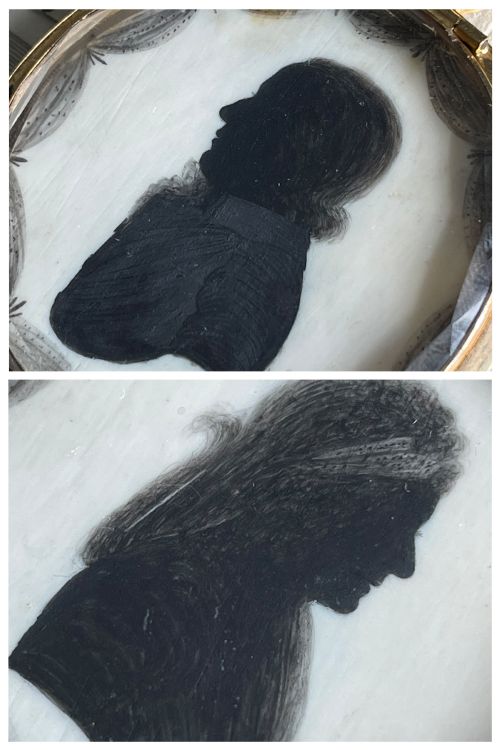
Craftsmen utilised gold, silver, gilt metal, and enamel to build the structural mounts, integrating loops and bezels for suspension. Silhouettes and folk art pieces likewise employed glass panels and specialised frames, such as ebonised wood, to secure the delicate artwork.
Antique Painted Pendant Retail Price Guide 2026
Typical asking prices for painted pendant among the pieces listed under this phrase on Sellingantiques today, from the lower quarter to the upper quarter. They describe what is for sale here now, not the wider market.
Several Victorian children gaze out from gold frames, completely unaware they would one day become internet search results.
What Varies in Quality
The refinement of the brushwork and the psychological depth of the portrait dictate the standing of a miniature, separating master artists from routine commercial output. Pieces signed by known miniaturists display superior anatomical control and pigment longevity.
The integrity and weight of the metal housing, whether high-carat gold or substantial silver, influence the overall calibre of the piece. Intact enamel work without chipping and original glass or bezels preserve the intended state of the object.
Henry Bone ARA·Charles Shirreff·John Miers·John C D Engleheart·Frederick Buck·Charles Hayter·Christian Friedrich Zincke·William Naish·Elizabeth Hudson·George Engleheart·Thomas L Mott·William Grimaldi
The Antique Painted Pendant Glossary
- Portrait Miniature
- A small, highly detailed painting, typically executed on ivory, vellum, or card, depicting a specific person. These were often commissioned as tokens of affection or remembrance.
- Enamel
- A durable substance created by melting powdered glass onto a metal surface at high temperatures. It provides a glossy, permanent colour ground for detailed miniature painting.
- Vellum
- A fine parchment prepared from calfskin, used as a smooth writing and painting surface in earlier portraiture. It holds fine ink and watercolour lines without absorbing moisture excessively.
- Plafonnier
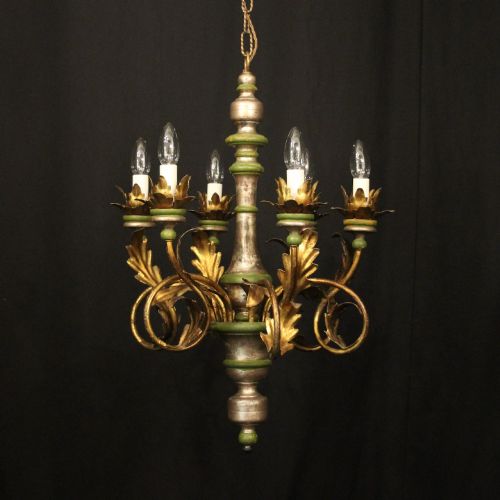
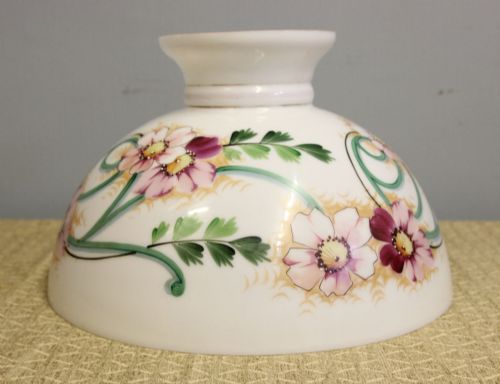
- A ceiling light fixture featuring a bowl-shaped shade, often painted or moulded in glass, suspended close to the ceiling. Examples date into the early twentieth century.
- Toleware
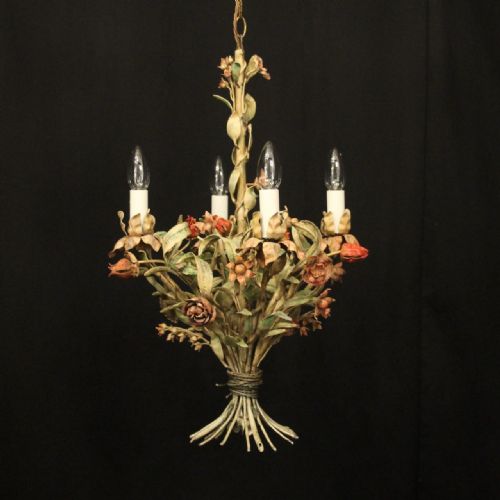
- Painted or enamelled tinplate items produced in France and Britain, known for polychrome floral or scenic decorations. It appears on chandeliers and larger hanging shades.
Antique Painted Pendant: Frequently Asked Questions
How do I wear a pendant locket?
Pendant lockets suspend from compatible chains or ribbons, worn close to the collarbone as personal ornaments.
Many antique examples include integrated loops or rings designed specifically for traditional chains.
Were these portraits painted from life?
Most portrait miniatures were commissioned directly from sitters by travelling artists or established studio painters.
Some military or memorial pieces were produced posthumously using existing sketches or descriptions.
How do I date an enamel piece?
Stylistic markers in costume, hair, and frame construction provide the primary clues for dating portrait and enamel work.
Metal hallmarks and signature styles of known artists further narrow the era of production.
Can these pendants be opened?
Double-sided pieces and hinged locket variants often open to reveal hair compartments, photographs, or secondary inscriptions.
Fixed frame pendants and solid enamel charms remain sealed to protect the internal painting.