
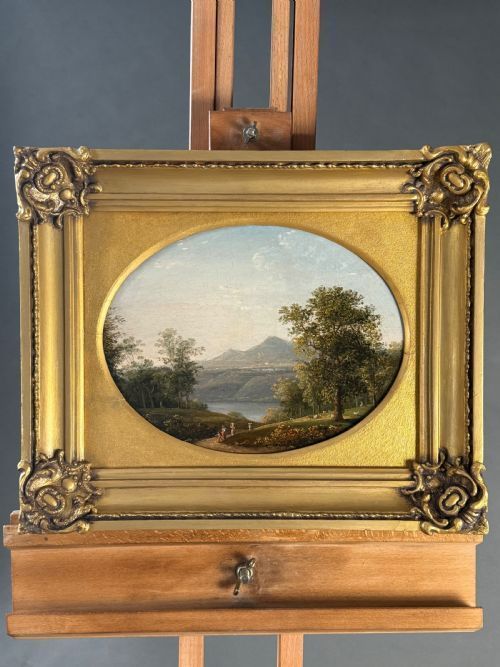
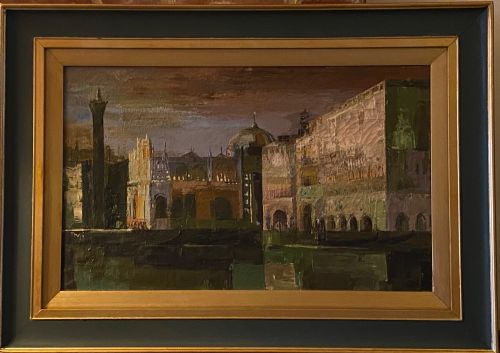
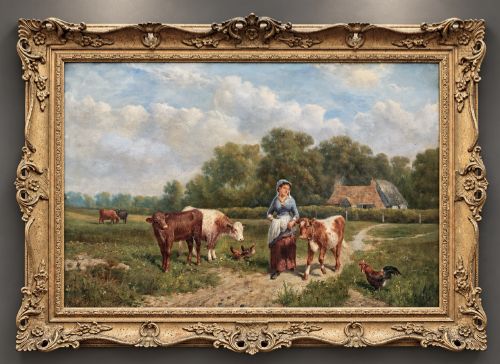
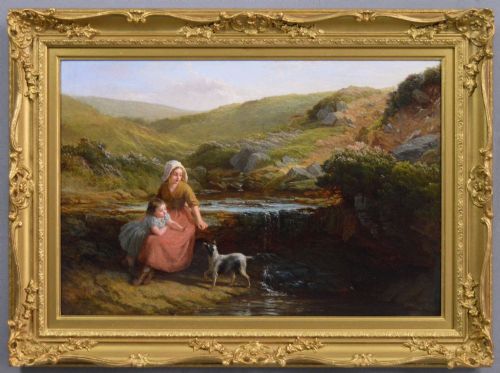
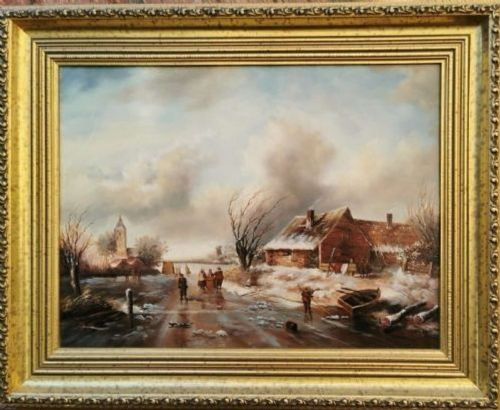
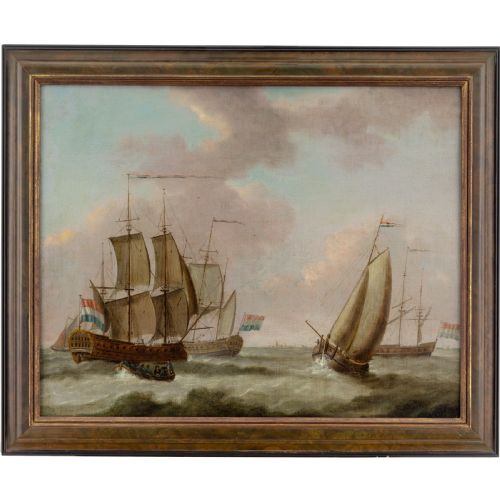
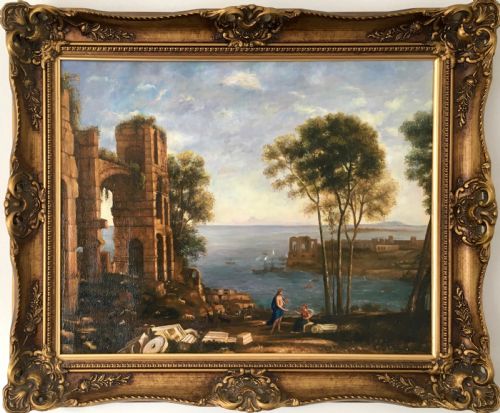
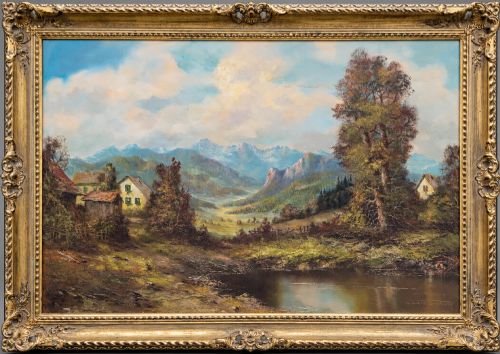
Antique Painted Landscape
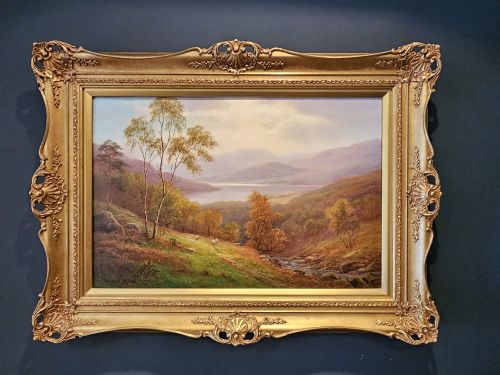
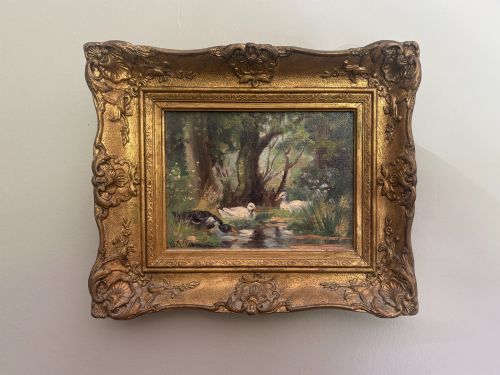
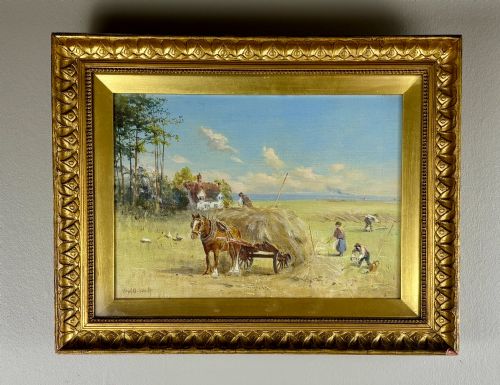
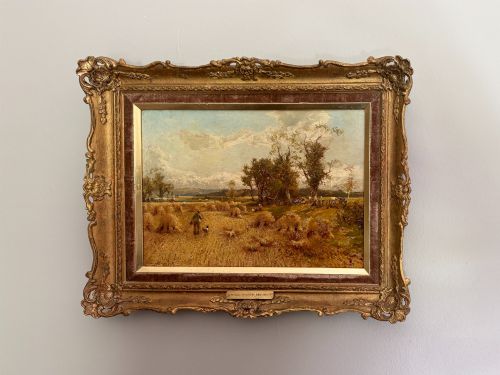
An antique painted landscape captures rural rivers, coastal stretches and woodland scenes across canvas, paper and panel.
Antique Painted Landscape
An antique painted landscape brings historical views into domestic spaces through oil on canvas, delicate watercolours on paper and painted panels. These works capture rivers, coastal scenes and woodland settings across periods from the seventeenth century through to the Edwardian era.
The pieces on this page appear in various formats, ranging from framed artworks and wall mirrors to decorative dinner plates, porcelain ice pails and silver compacts. Oil paintings and watercolours dominate the selection, frequently framed in giltwood or wood.
Regional British and Scottish views feature strongly alongside continental Flemish, French and Italian scenes. Collectors encounter specific topographic depictions, pastoral watercolours with sheep, and atmospheric seascapes executed by named artists and regional schools.
Materials and construction
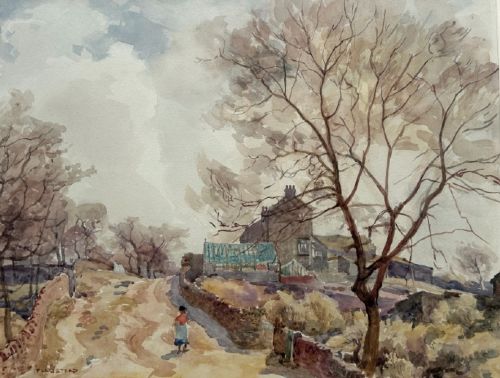
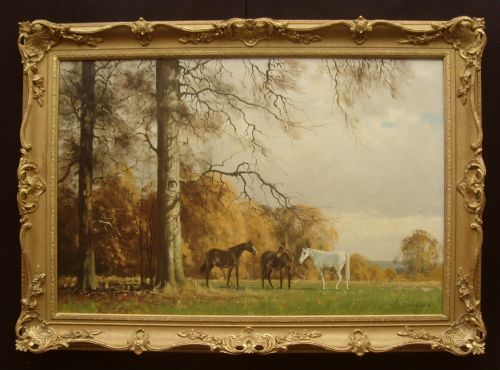
Artists painted primarily with oil paint or watercolour, applying pigment to stretched canvas, prepared wood panels, paper or card. Oils on canvas allowed for rich impasto texture and deep glazes, whilst watercolours on paper provided luminous transparency for atmospheric light.
Substrates varied according to the medium, with wooden panels supporting early European works and heavy canvas carrying large nineteenth-century compositions. Frames of giltwood or carved wood protected the edges and complemented the visual depth of the painted surface.
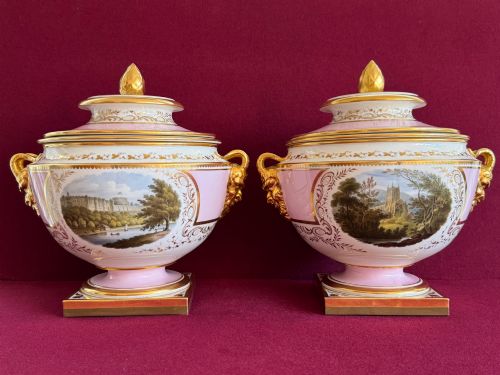
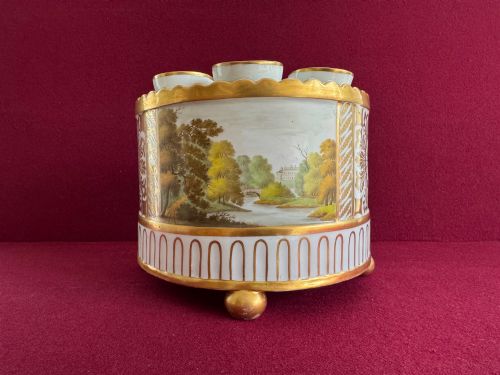
Applied landscape decoration also appeared on ceramics, including porcelain dinner plates and ice pails, as well as metal items like sterling silver enamel compacts. These objects utilised mineral paints fired onto glazed surfaces or sealed beneath protective layers.
A military serviceman once painted a wartime landscape directly onto a postcard.
Factors that distinguish quality
The skill of the brushwork and the confidence of composition determine the visual strength of a piece. Stronger works display subtle handling of light, atmospheric depth and well-observed natural details rather than formulaic repetition of scenery.
The condition of the painted surface and its original support matters greatly. Surviving works that retain vibrant pigments without excessive overpainting, flaking or heavy craquelure preserve the artist's original intent.
The quality of the framing and provenance also elevate certain pieces. Original giltwood frames appropriate to the period and documented histories linking works to specific collections add contextual value to the physical artwork.
David Law·H Medlycott·John Hayls·Eugène Verboeckhoven·Richard Sebastian Bond·William Beattie Brown·George Fotherly Hargitt·Thomas Miles Richardson Jnr·James Orrock·William Henry Earp·Richard Principal Leitch·R Leyton·John R Prentice·William H Myers·George Graham·Thomas Ellison·Tom Campbell·Alfred Young Nutt·Percy Lancaster·W Klombeck·Frederick Marriott·William Howard Hardy·Arthur Wardle·Angelo Maria Crivelli·Francois Boucher
The Antique Painted Landscape Glossary
- Impasto
- Paint applied thickly to a canvas or panel so that it stands proud of the surface. This technique preserves visible brush marks and adds tactile dimension to elements like waves or foliage.
- Giltwood
- Wood that has been coated with a thin layer of gold leaf or gilt powder. It frequently forms the ornate frames surrounding nineteenth-century oil paintings and mirrors.
- Watercolour
- A paint consisting of water-soluble pigments suspended in a water-based solution, typically applied to paper. It allows artists to achieve delicate washes and luminous skies.
- Provenance
- The documented history of ownership of an antique object. A traceable provenance links a painting to past exhibitions, families or estates.
- Panel
- A flat piece of wood used as a rigid support for painting instead of canvas. Flemish and British artists utilised wooden panels extensively during the seventeenth and nineteenth centuries.
Antique Painted Landscape: Frequently Asked Questions
How do I care for antique watercolours?
Watercolours are sensitive to light and moisture because paper and pigments degrade under direct sunlight. Keep them away from bright windows and damp rooms to prevent fading and foxing.
Ensure framing uses acid-free mounts and glass with ultraviolet protection. Professional conservation helps stabilise fragile paper over decades.
What is the difference between oil and watercolour landscapes?
Oils use pigment mixed with drying oils on canvas or wood panels, creating rich textures and deep tones. They tolerate domestic environments better than works on paper.
Watercolours use water-soluble pigments on paper, producing lighter, translucent effects. They require protective glass framing to prevent surface damage.
How can I date an antique landscape painting?
Dating relies on stylistic clues, clothing of figures, framing types and material composition. Artists often signed and dated works directly on the front or reverse.
Canvas stamps, stretcher construction and panel types provide further chronological markers. Comparative study of known artist signatures narrows down the period of execution.
Where were painted landscape plates used?
Painted landscape scenes on ceramics served as decorative dinner services for wealthy households. They functioned during formal meals to display artistic scenes on tableware.
Plates and ice pails often featured named topography or imaginary pastoral views. These porcelain items combined practical dining use with fine art appreciation.