
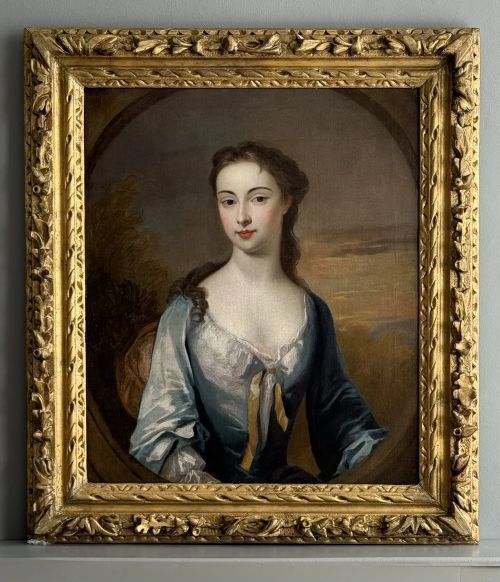
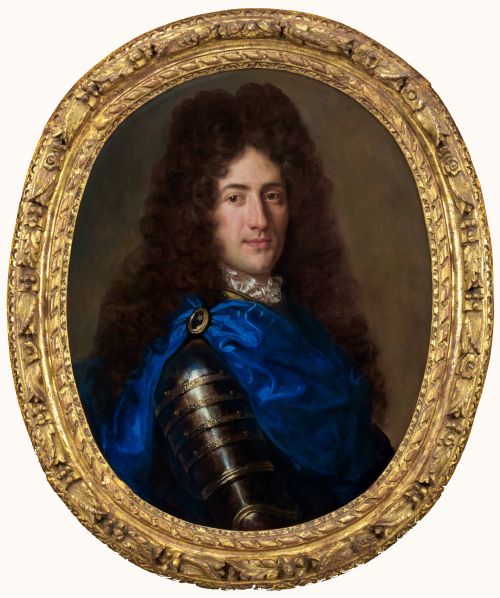
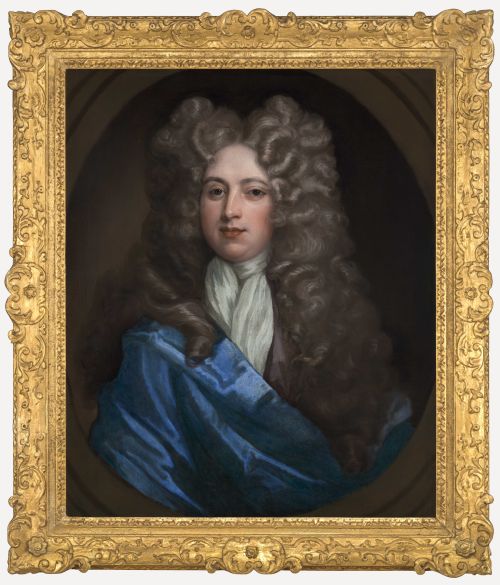
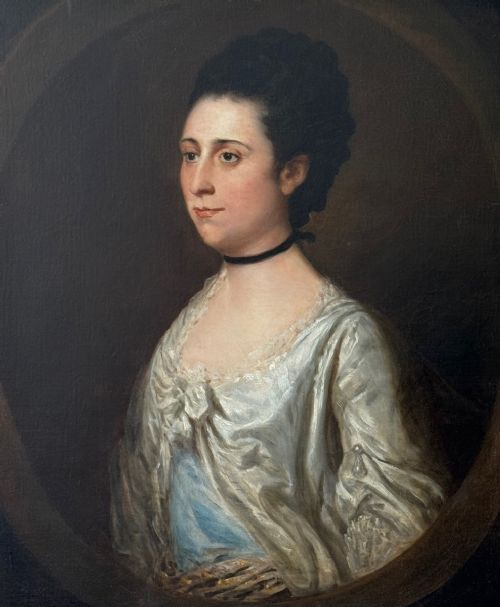


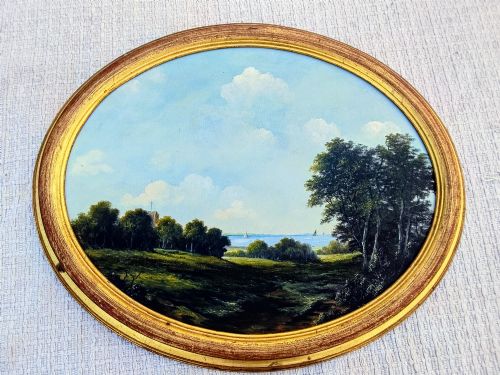
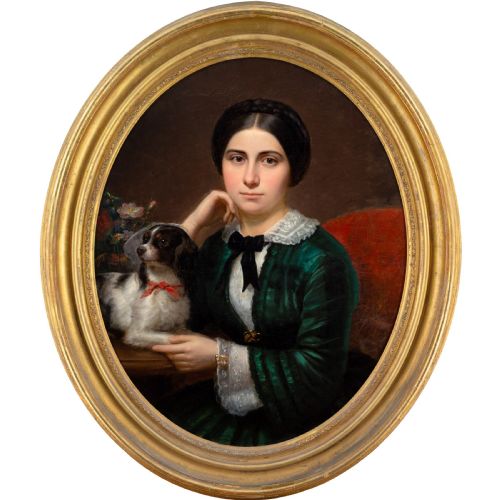
Antique Oval Wall Painting
An antique oval wall painting brings the concentrated focus of portraiture and landscape into a curved wooden or gilded frame.
Antique Oval Wall Painting
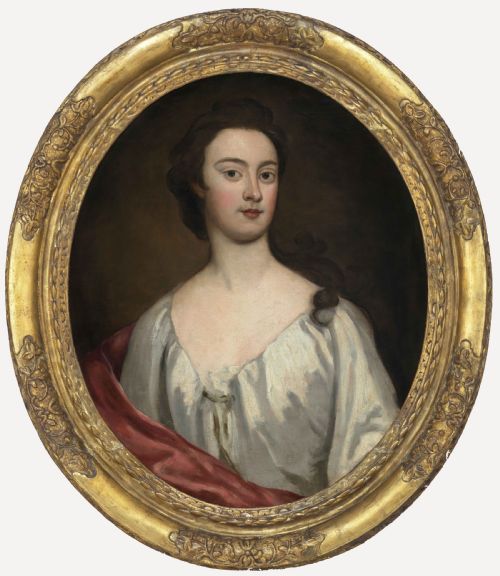
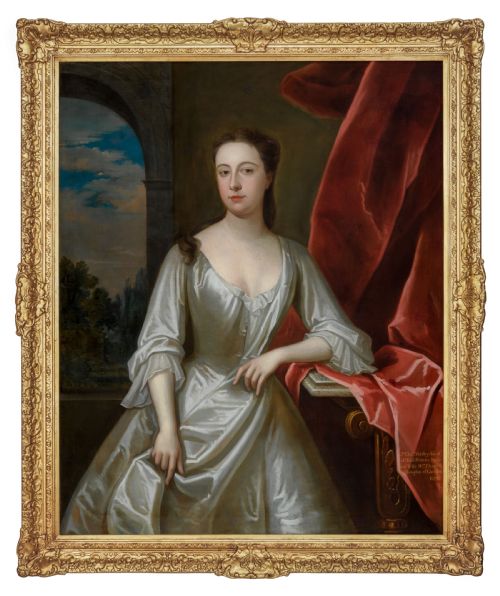
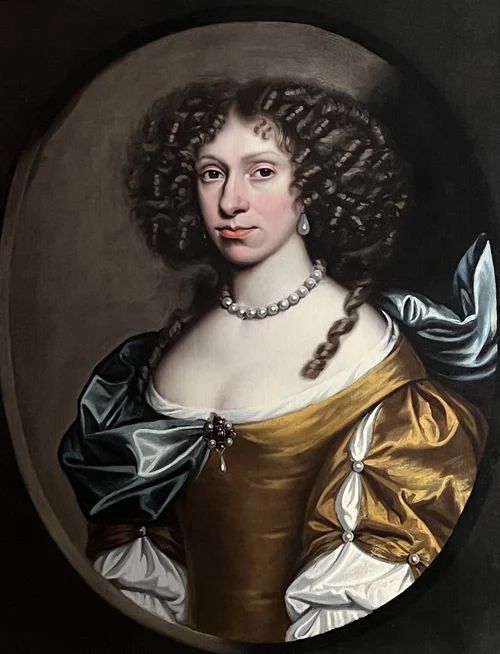
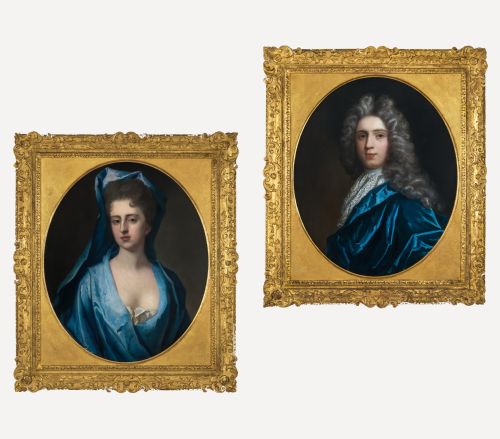
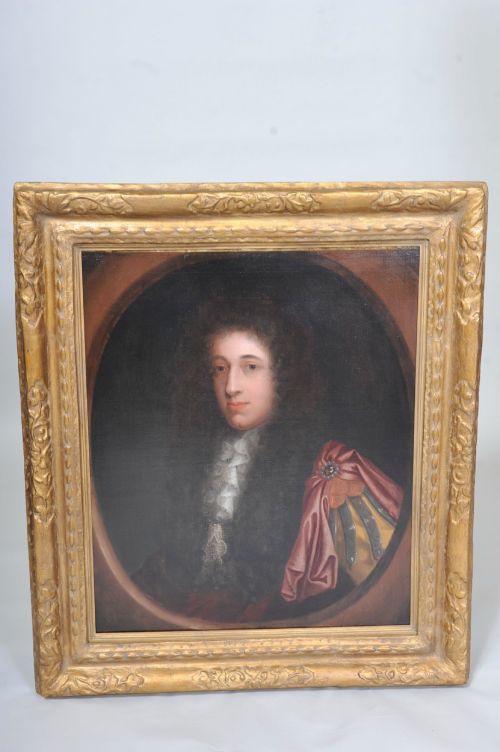
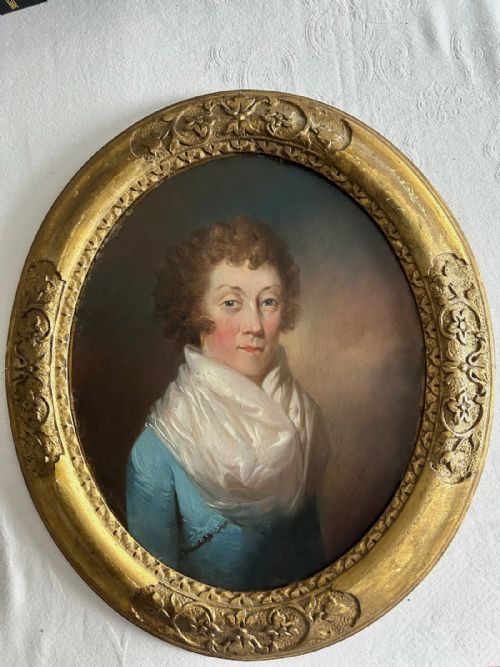
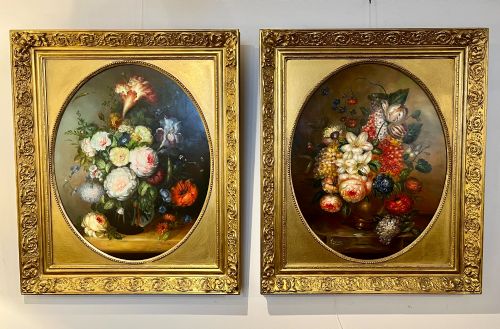
An antique oval wall painting typically presents oil on canvas portraits, still lifes, or miniature studies contained within curved framing. The format draws the eye naturally to the centre of the composition, muting corners and heightening intimacy.
Most examples encountered here originate from the seventeenth, eighteenth, and nineteenth centuries, often rendered by British or European schools. Works range from grand aristocratic portraiture to small-scale domestic studies and decorative still lifes.
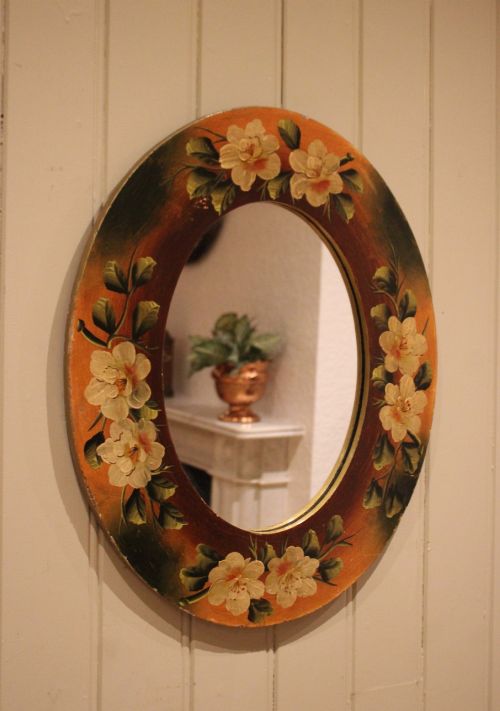
Beyond paintings on canvas or board, the category encompasses related oval wall pieces such as parcel-gilded mirrors and glazed portrait prints. These objects share the characteristic curved geometry that defines the selection.
How they were made
Makers stretched canvas or laid paper over curved wooden supports, building up oil pigments or watercolours to capture subtle shifts in light and shadow. The curved format required careful composition to fit figures and objects harmoniously within the rounded perimeter.
Frames employ timber finished with gold leaf, giltwood, or ebonised surfaces, matching the rounded profile of the artwork within. Joiners constructed these surrounds to support the tension of curved stretchers and protect the edges of the canvas.
What varies in quality
The integrity of the original frame and its relationship to the canvas influence the overall standard of a piece. Period frames matching the exact curvature and finish of the artwork hold greater authority than later replacements.
Sir Godfrey Kneller·David Scougall·Michael Dahl·Thomas Murray·Richard Cosway·Vincent Clare·John Russell·Charles Jervas·Thomas Beach·Pieter Borseler·Jeremiah Davison·Allan Ramsay·Emily Eyres
The Antique Oval Wall Painting Glossary
- Giltwood
- Timber carved and coated with a thin layer of gold leaf or metallic powder. This finish reflects interior candlelight and daylight.
- Portrait Miniature
- A small-scale painting executed with fine detail on vellum, card, or copper. These intimate items were often housed in protective ebonised cases.
- Stretcher
- The wooden frame that holds a canvas taut. Curved variants require precise carpentry to maintain the oval geometry without warping.
- Provenance
- The documented history of ownership attached to an artwork. Tracing this lineage confirms the authenticity and age of the piece.
Antique Oval Wall Painting: Frequently Asked Questions
How should I hang an oval painting?
Support the weight securely from the vertical centre using appropriate fixings suited to your wall type. Because the curved shape draws focus naturally, position the piece at eye level where its proportions can be appreciated.
Keep the painting away from direct sunlight and steady heat sources to protect the canvas and gilded frame from environmental stress.
Are oval paintings harder to frame?
Custom surrounds are necessary because standard rectangular mouldings cannot accommodate curved edges. Period frames are built specifically for the canvas shape.
Matching a loose canvas to an antique oval frame requires careful adjustment by a specialist restorer to ensure the tension remains even.
What subjects appear most often?
Portraits of individuals dominate the selection, ranging from seventeenth-century nobility to nineteenth-century family members. Still lifes and botanical studies also appear in oval formats.
The curved composition was chosen historically to soften the appearance of stern sitters and concentrate light onto the face.
How can I tell the period?
Examine the preparation of the canvas, the style of the clothing, and the construction techniques of the wooden frame. Pigment analysis and brushwork characteristics offer further clues to the decade of creation.
Inscriptions on the reverse or original stretcher bars often provide direct evidence of the artist and date.