
Antique Outdoor Park Bench
An antique outdoor park bench brings enduring character to a lawn, patio, or terrace through robust metal framework and weathered timber.
Antique Outdoor Park Bench
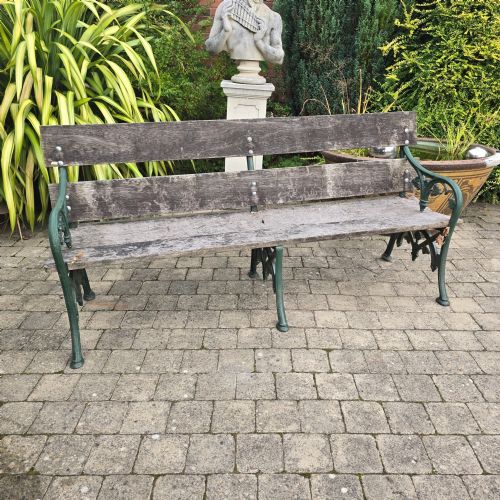
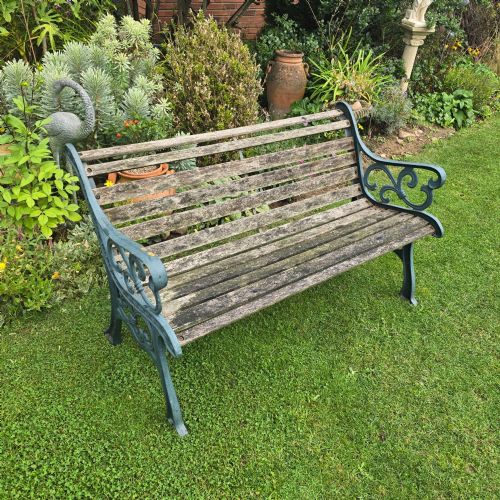
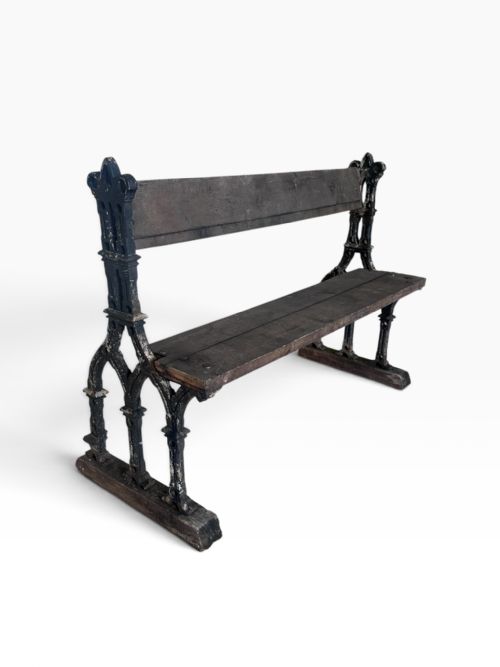
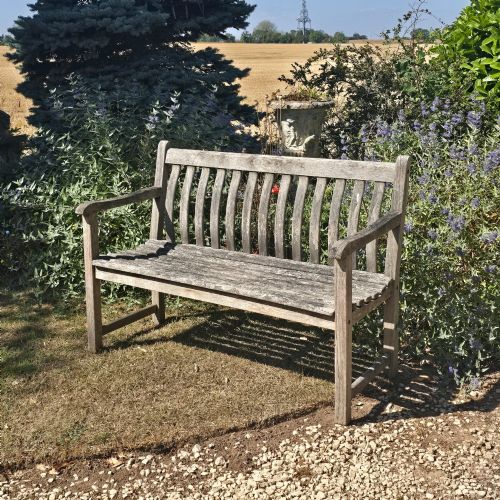
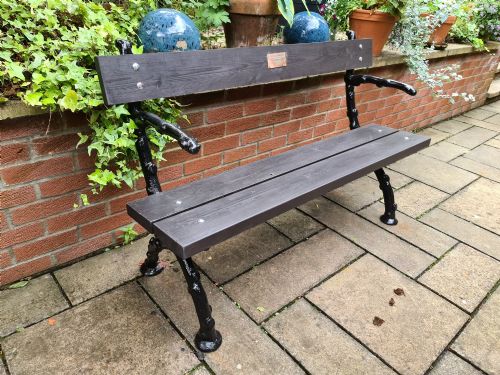
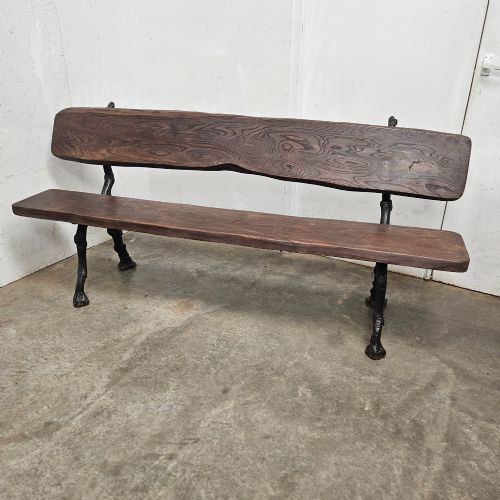
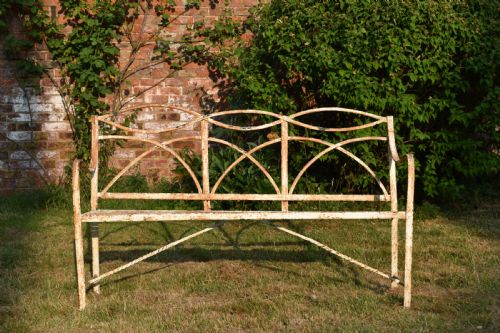
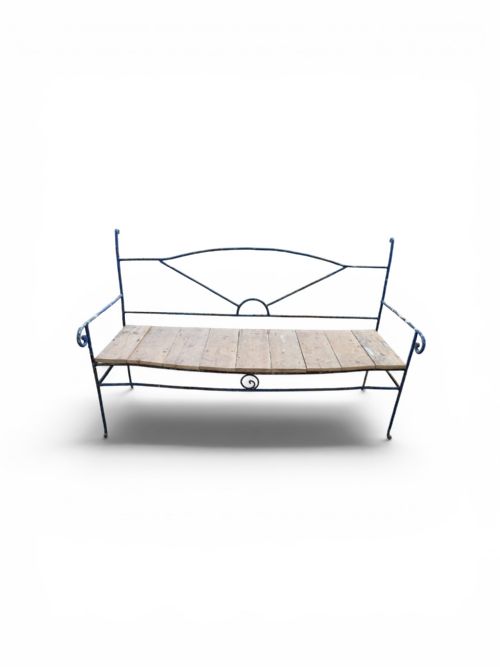
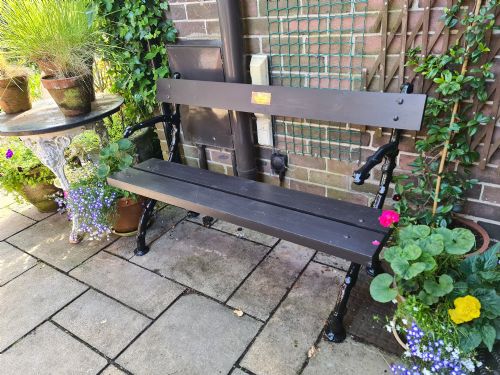
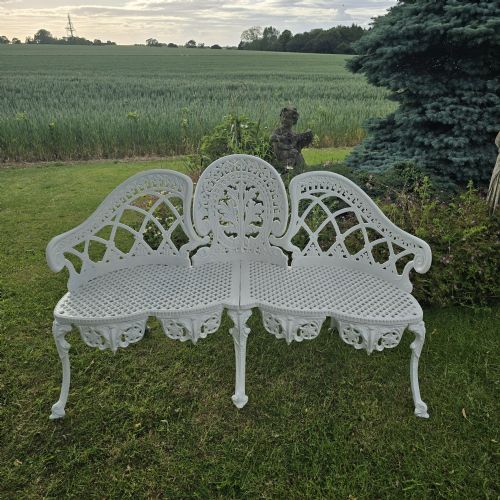
An antique outdoor park bench combines heavy metal framework with wooden slats or solid timber to provide a sturdy seat for gardens and parks. When searching for an antique outdoor park bench, buyers encounter varied forms spanning the nineteenth century through the early decades of the twentieth century. These seating options range from simple slatted garden seats to ornate cast iron designs featuring gothic or rustic motifs.
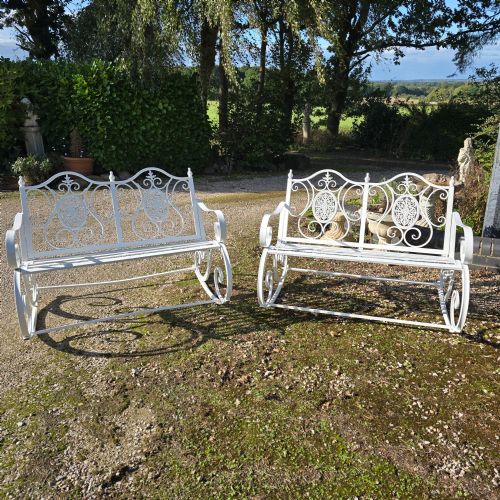
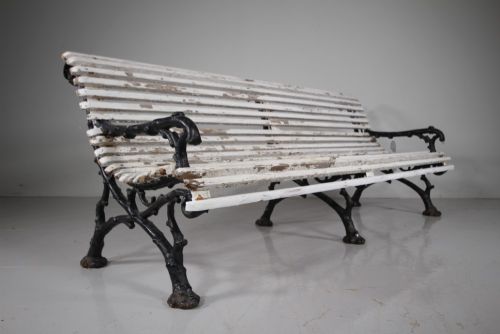
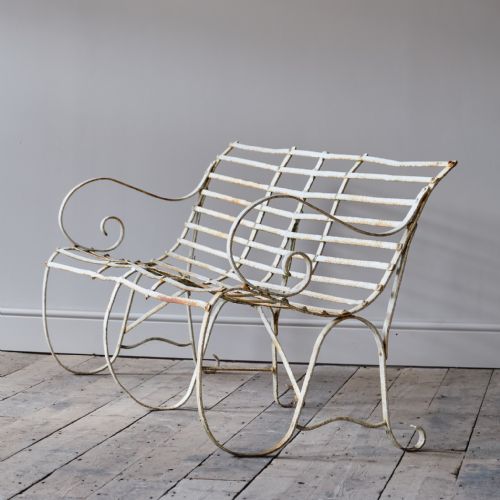
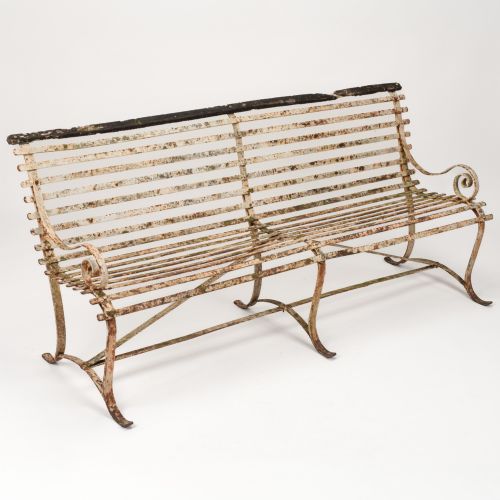
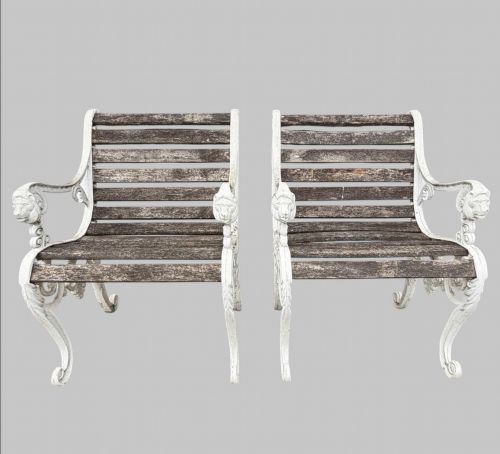
The nineteenth-century examples frequently showcase elaborate cast iron ends, incorporating structural patterns such as strapwork, lion masks, and faux bois finishes. Pieces from the Victorian and Regency eras dominate the selection, often pairing durable timber such as teak, elm, or oak with painted metal supports. Other variations include wrought iron scrollwork benches and garden seats bearing specific foundry designs like Coalbrookdale or Arras patterns.
Materials and construction methods
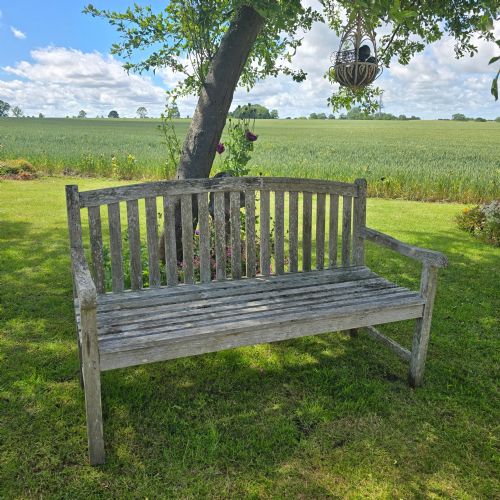
The construction of these benches relies heavily on durable metals combined with seasoned wood and timber slats. Foundries shaped molten metal into decorative bench ends, scrollwork, and structural frames using cast iron and wrought iron techniques. Artisans then secured timber elements, including teak, elm, and general wood slats, across the metal supports to form the seat and backrest.
Many structural surfaces received protective layers of paint to withstand outdoor weathering over decades of use. Iron components frequently display structural casting marks or detailed strapwork, while wooden portions develop a weathered silvered patina from exposure to the elements.
A few hardy seats even carry tales from distant polo clubs before settling down on quiet modern lawns.
Distinguishing quality in garden seating
Quality in these garden seats is determined by the crispness of the iron casting and the integrity of the original construction. Finer examples exhibit sharply defined motifs on the cast iron ends, such as intricate gothic tracery or detailed animal masks, rather than softened or repetitive secondary casts.
The condition and longevity of the materials also dictate the standing of a piece. Original retained paint layers, well-weathered authentic teak or elm timbers, and sturdy, uncompromised metal frames separate superior specimens from heavily repaired or later assembled alternatives.
The Antique Outdoor Park Bench Glossary
- Cast iron
- A sturdy iron-carbon alloy poured into moulds to create intricate bench ends and structural frames. This material allows for detailed decorative motifs like gothic arches and animal masks.
- Wrought iron
- Iron heated and hammered into shape by hand, producing resilient scrollwork and strapwork for garden seating. It offers flexibility and strength for linear and curved framework designs.
- Strapwork
- A decorative pattern of flat, intersecting bands resembling leather straps, frequently seen on Regency and Victorian metal garden benches. This design adds geometric rigidity and visual interest to the backrests and seats.
- Faux bois
- An artistic technique simulating the appearance of natural wood grain on concrete or iron surfaces. French garden furniture often utilises this style to mimic rustic timber branches.
- Arras
- A specific style of French metal garden furniture known for distinctive construction and looped slat designs. Pieces originating from this tradition are highly sought after by collectors.
Antique Outdoor Park Bench: Frequently Asked Questions
How do I care for a vintage garden bench?
Protect the timber elements with appropriate oils or treatments designed for weathered wood. Ensure iron frames remain free from excessive moisture accumulation during harsh winter months.
Position the seat on stable ground to prevent stress on the joints between the metal ends and wooden slats. Regular gentle cleaning preserves any surviving original paint layers.
Can these benches stay outside all year?
Most pieces are built from robust outdoor materials like cast iron and teak designed to endure changing weather conditions. Over time, exposure creates a natural silvered patina on the timber slats.
Moving delicate or heavily painted pieces into a sheltered porch or shed during severe frost helps prevent unnecessary degradation. Proper drainage around the feet also stops moisture from rotting wooden components.
What is the difference between Victorian and Regency styles?
Regency designs often feature restrained geometric strapwork, lighter iron profiles, and classical symmetry. These pieces generally lean towards understated elegance and simpler structural lines.
Victorian pieces tend to be heavier and more ornate, incorporating gothic motifs, rustic branch patterns, or detailed animal masks. The casting becomes more elaborate, reflecting the industrial capabilities of the later nineteenth century.