


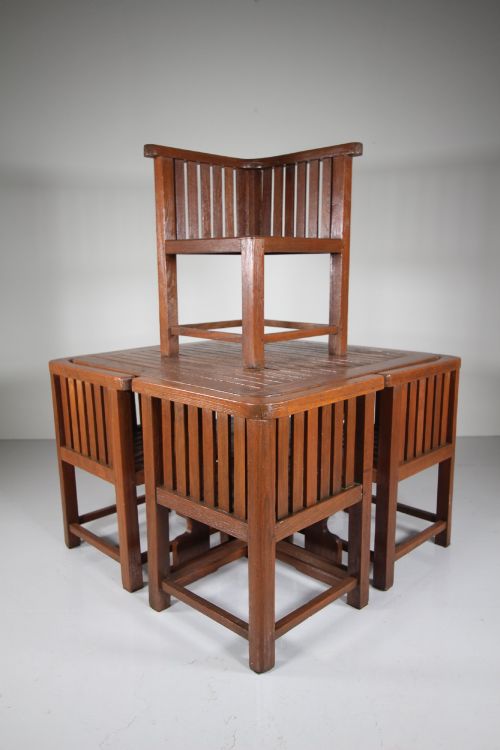
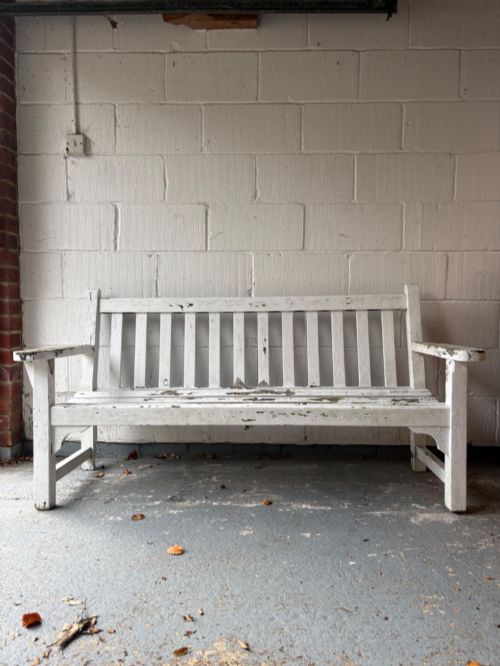
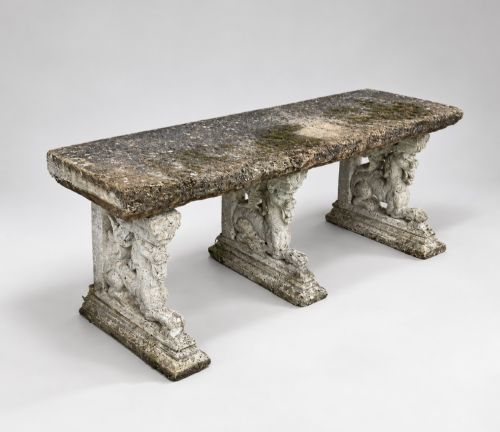
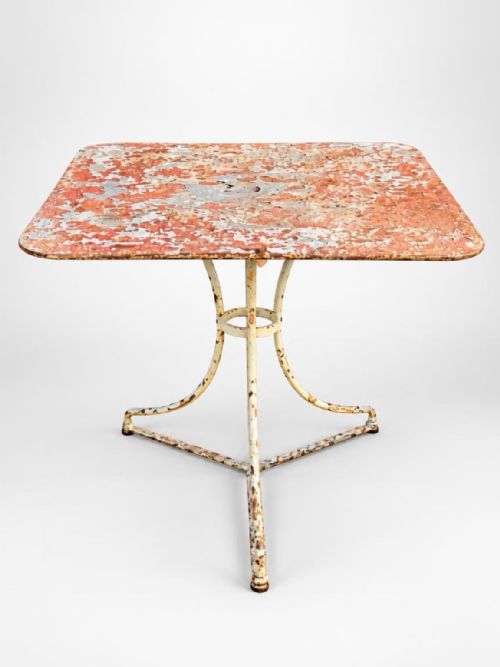
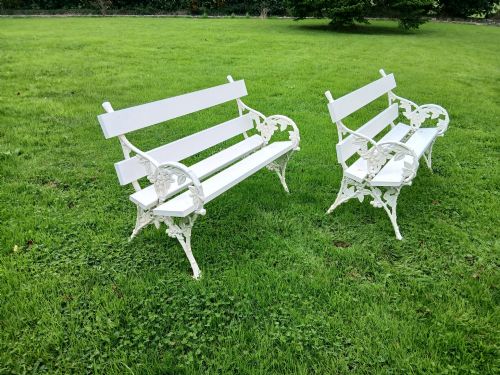
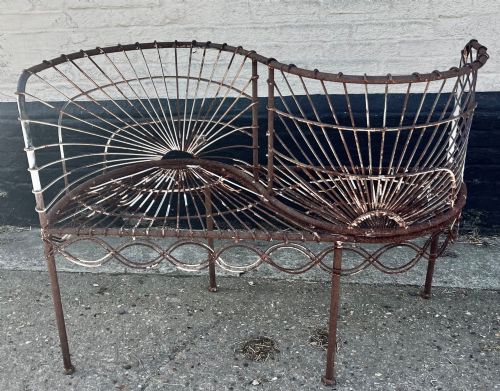
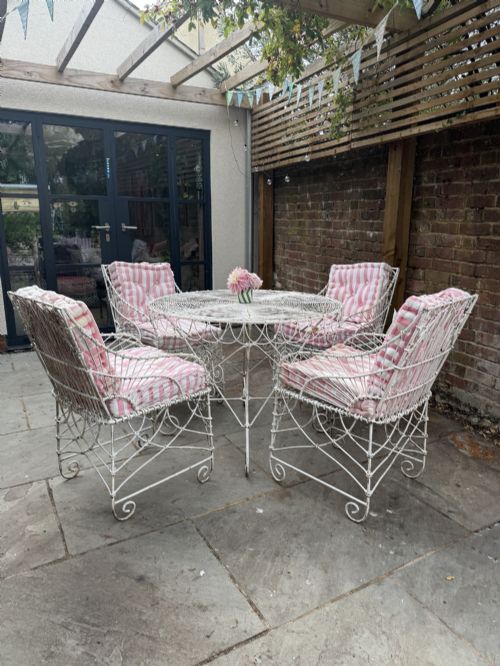
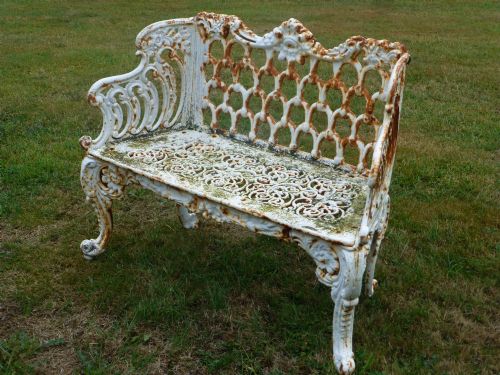
Antique Outdoor Furniture
Antique outdoor furniture brings sturdy metalwork and weathered timber to lawns, terraces and conservatories, offering enduring utility for open-air seating and display.
Antique Outdoor Furniture
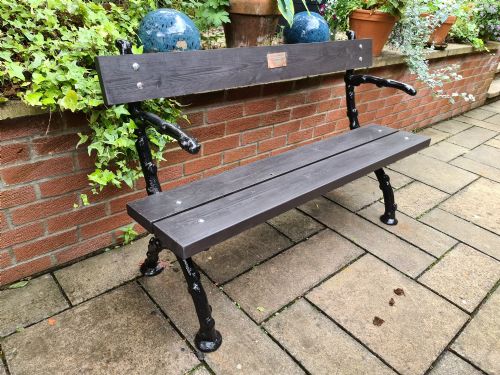
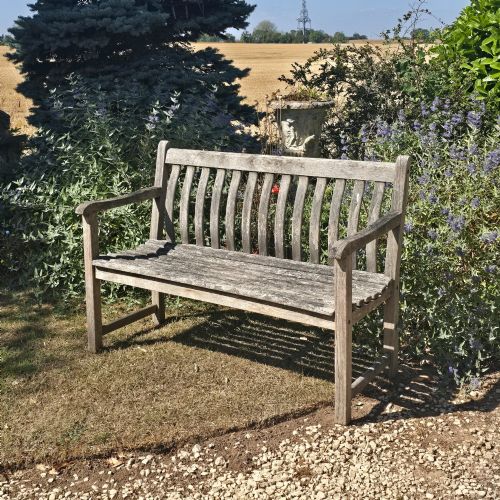
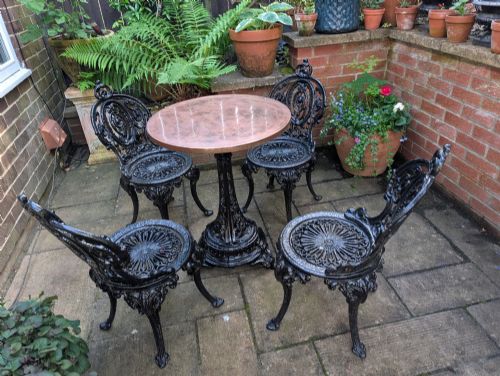
Antique outdoor furniture comprises garden benches, dining sets, tables, plant stands and console tables designed for exterior use. These items emerge from various periods including the Regency era, the Victorian epoch, and the decades leading up to the mid-twentieth century.
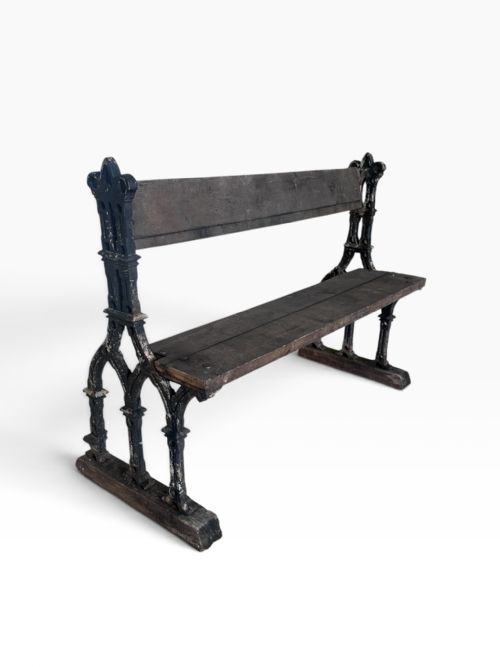
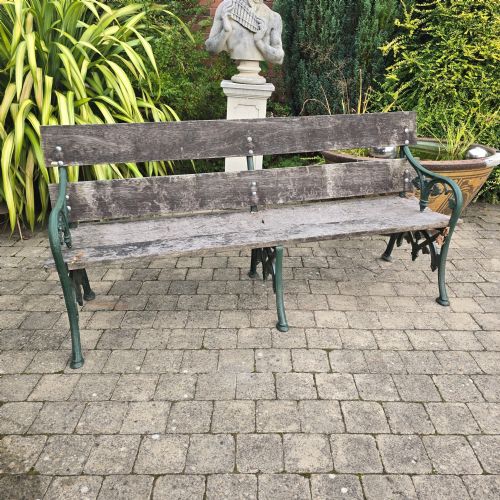
The selection centres heavily on robust seating, from single garden benches and conversation seats to complete sets with matching chairs. Buyers frequently encounter pieces shaped by Victorian rustic, Gothic and French country influences.
Materials span heavy cast iron, wrought iron, timber and teak, occasionally paired with marble tops or protective paint finishes. Origin points range from English country workshops to French estates and Scottish foundries.
How they were made
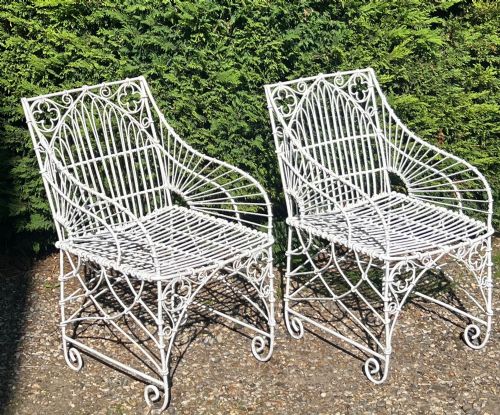
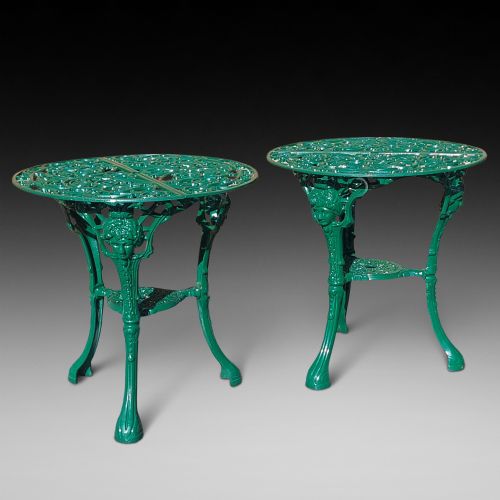
Foundries utilised cast iron to create intricate patterns featuring foliage, blackberry motifs and strapwork, pouring molten metal into detailed moulds. Wrought iron pieces relied on manual forging and bending to achieve lighter structural frames and scrollwork.
Carpenters and joiners worked with timber and teak, selecting durable woods suitable for weathering natural elements in gardens and conservatories. Protective layers of paint were applied to shield metal surfaces from moisture and decay.
Antique Outdoor Furniture Retail Price Guide 2026
Typical asking prices for outdoor furniture among the pieces listed under this phrase on Sellingantiques today, from the lower quarter to the upper quarter. They describe what is for sale here now, not the wider market.
The furniture includes French country metal benches, English rustic seats, and conservatory dining sets.
What varies in quality
The degree of artistic detail in the casting separates standard utility pieces from exceptional works produced by notable foundries. Crisply defined botanical motifs and balanced proportions indicate superior workshop standards during production.
The integrity of the original materials dictates longevity, particularly where iron has resisted deep oxidation or timber has retained its structural density through decades of exposure.
Falkirk Carron Foundry·Carron Foundry·Christopher Dresser·Coalbrookdale
The Antique Outdoor Furniture Glossary
- Cast iron
- A hard, brittle alloy poured into moulds to create decorative panels, bench ends and table bases. It allows for high levels of ornamental detail.
- Wrought iron
- Iron heated and hammered into shape by hand, resulting in tough, fibrous structures used for strapwork and scroll designs.
- Strapwork
- Flat bands of metal arranged in geometric or interlaced patterns. It appears frequently on Regency garden seats.
- Faux bois
- A technique where artisans shape concrete, plaster or metal to imitate the natural grain and texture of wood. This style surfaces in Victorian garden seating.
- Teak
- A dense, oil-rich tropical timber prized for outdoor use. It resists moisture and weathering without requiring heavy chemical treatments.
Antique Outdoor Furniture: Frequently Asked Questions
How do I care for antique garden benches?
Keep wooden seats treated with suitable oils to protect the timber from continuous dampness and frost during winter months. Ensure metal frames remain coated to prevent rust development on exposed iron surfaces.
Position furniture on paved surfaces or stones rather than directly on wet grass to minimise moisture absorption from the ground. Regular gentle cleaning removes debris that traps water against the material.
Can I leave cast iron furniture outside all year?
Cast iron withstands outdoor placement well due to its heavy mass and sturdy structural properties. Many pieces have spent generations exposed to seasonal weather changes.
Extreme freeze-thaw cycles can occasionally affect painted surfaces or cause water to pool in crevices. Checking drainage and sheltering delicate marble tops during harsh winters preserves the condition.
Where were these metal garden tables used originally?
Bistro tables and pub tables served outdoor refreshment areas, estate gardens and conservatory spaces during the nineteenth and early twentieth centuries. Smaller stands functioned as plant displays.
Matching chairs completed dining sets intended for social gatherings on lawns and gravel terraces.