



Antique Ottoman Bed
An antique ottoman bed or related seating offers a versatile blend of comfort and storage, shaped by Victorian, Regency, and French influences.
Antique Ottoman Bed
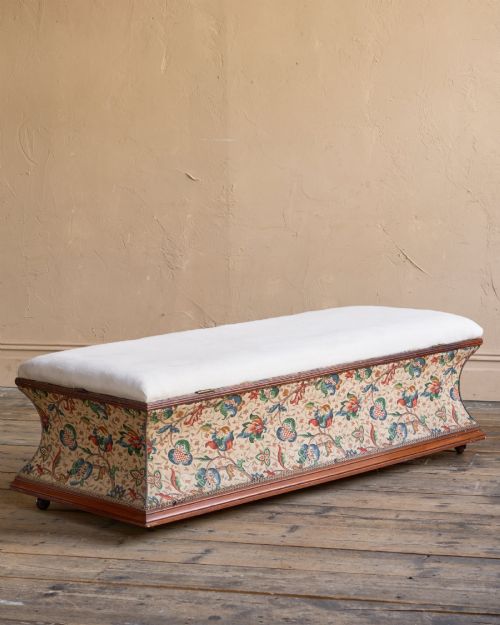
When you search for an antique ottoman bed, you encounter a variety of low seating forms, day beds, window seats, and blanket boxes that date from the nineteenth and early twentieth centuries. These pieces serve multiple domestic functions, functioning as resting places, footstools, or storage trunks within traditional interiors.
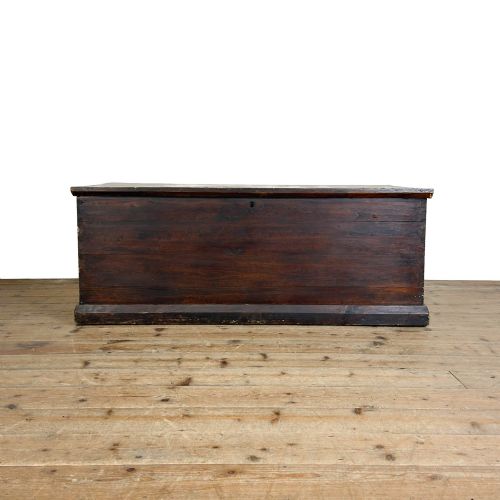
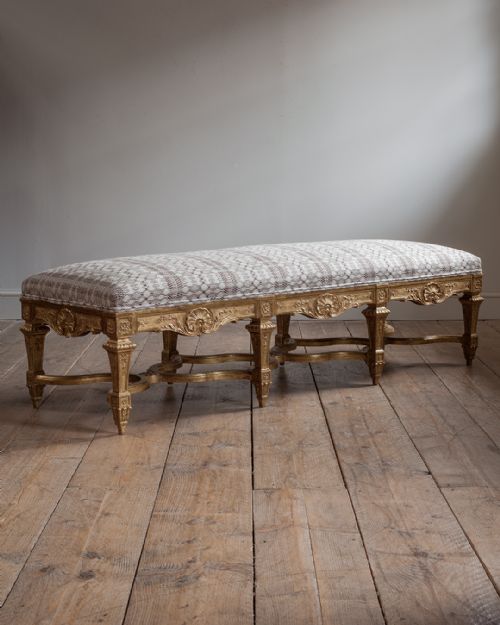
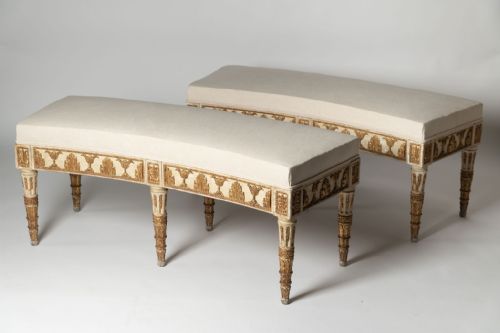
The selection on this page relies heavily on Victorian and French styles, alongside English country house and Italian neoclassical designs. You find long stools, day beds, and large blanket chests constructed from woods like pine, walnut, and mahogany.
Origins span across British, French, Swedish, and Italian workshops, reflecting diverse regional tastes in domestic upholstery and woodwork. Pieces range from utilitarian pine storage boxes to highly carved giltwood and walnut window seats.
How they were made
Construction relies upon traditional timber framing, utilising pine, walnut, mahogany, oak, and birch. Carpenters employed standard joinery techniques for boxes and seating frames, incorporating carved details, painted finishes, ebonisation, or giltwood highlights.
Upholstery forms a primary component for the seating and day bed varieties, utilising materials such as velvet, linen, and fabric. Frames frequently feature cane panels, ball and claw details, fluted legs, or cabriole supports depending on the stylistic period.
Antique Ottoman Bed Retail Price Guide 2026
Typical asking prices for ottoman bed among the pieces listed under this phrase on Sellingantiques today, from the lower quarter to the upper quarter. They describe what is for sale here now, not the wider market.
One exceptional nineteenth-century brass four-poster bed has direct historical links to the Prince of the Ottoman Empire.
What varies in quality
Quality reveals itself in the execution of the woodwork and the integrity of the original frame construction. Fine pieces display crisp hand-carved details on walnut, oak, or giltwood, whereas simpler examples rely on plain stained or painted pine.
The sophistication of the design and upholstery finish separates standard utility items from formal reception room furniture. Selection of materials, from basic fabric coverings to refined cane work and heavy rosewood or mahogany, dictates the character of each piece.
R W Winfield·Morris & Co.
The Antique Ottoman Bed Glossary
- Day bed
- A long seating unit designed for reclining, often sharing forms with extended window seats or long stools.
- Window seat
- A specialised stool or bench proportioned to sit beneath a window, frequently featuring upholstered tops and carved wooden frames.
- Blanket box
- A large chest used for storing linens and textiles, sometimes constructed from stained or painted pine.
- Giltwood
- Timber treated with gold leaf or a gold-colored gilt finish, common on decorative nineteenth-century French and revival furniture.
- Cabriole leg
- A furniture leg that curves outward and then tapers inward, typical of eighteenth-century revivals and later periods.
Antique Ottoman Bed: Frequently Asked Questions
What is an antique ottoman bed?
An antique ottoman bed or related long stool is a piece of furniture designed for sitting or resting, often originating from the nineteenth or early twentieth centuries. These pieces incorporate various styles such as French provincial, Victorian, and Regency.
Many examples function simultaneously as seating and storage, utilising upholstered tops over wooden frames or blanket chests. They serve effectively in bedrooms, hallways, and living spaces as versatile furnishings.
How were window seats used?
Window seats were placed in reception rooms and bedrooms specifically beneath windows to provide comfortable seating for reading or viewing outward. Their long, narrow proportions made them suitable for transitional spaces.
Over time, many of these seats have been recovered in materials like linen or velvet to suit modern domestic interiors while retaining their nineteenth-century frames.
What woods are common?
Pine, walnut, mahogany, and oak appear frequently across these listings, alongside birch and rosewood in specific regional pieces. Pine is typical for utility blanket boxes and storage trunks.
Hardwoods like walnut and mahogany are utilised for formal window seats and day beds, often featuring carved legs, giltwood highlights, or ebonised finishes.
How to date these pieces?
Dating relies upon stylistic markers, construction methods, and materials recorded within each piece. Nineteenth-century examples often exhibit Victorian or Regency design vocabularies like cabriole legs and ball and claw details.
Early twentieth-century items incorporate simpler painted finishes or Swedish birch constructions, distinguishing them from earlier revival styles such as Louis XIV or Louis XV.