





Antique Oil on Metal
These antique oil on metal pieces unite durability with fine artistry, spanning robust railway lanterns and delicate painted portraits.
Antique Oil on Metal
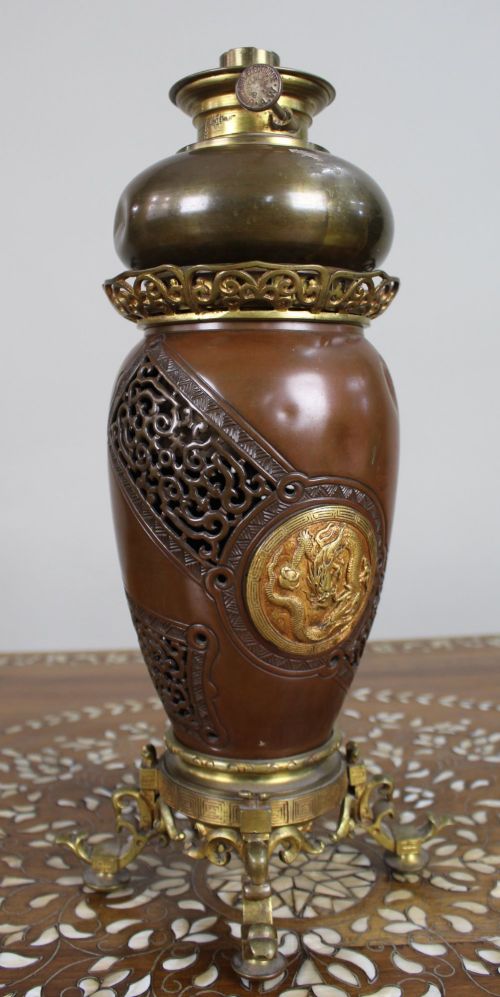
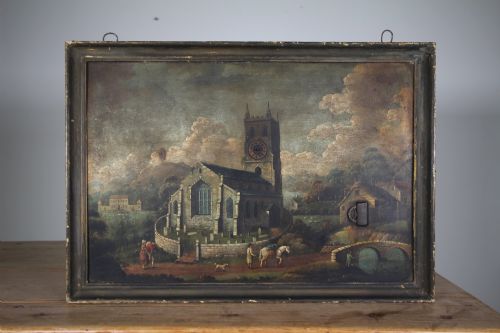
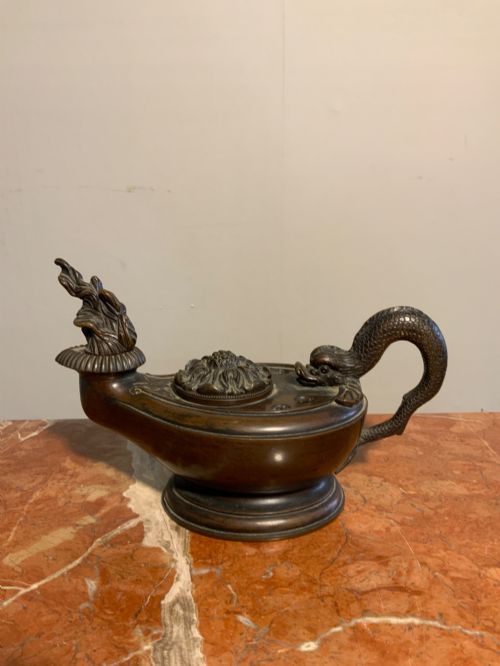
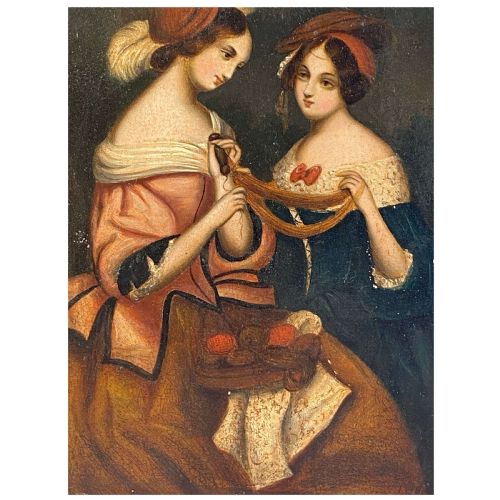
When you search for antique oil on metal, you encounter a diverse gathering of objects ranging from functional lighting to fine art. The selection includes paintings executed directly on tin, copper, and zinc panels, alongside heavy bronze and brass oil lamps.
The most common forms on this page divide into two distinct categories: lighting equipment such as railway lamps and 'Lucerna' oil lamps, and small-scale paintings including miniature portraits. These items stretch across the eighteenth, nineteenth, and early twentieth centuries, reflecting both domestic utility and decorative refinement.
Materials and construction
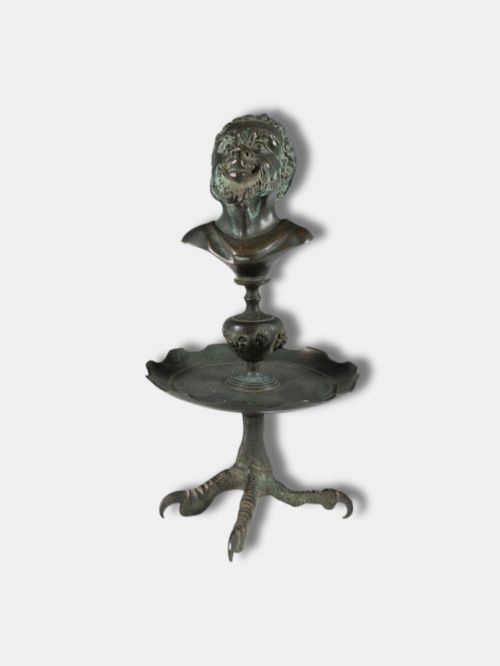
Makers utilised a foundation of base metals, primarily brass, bronze, copper, iron, and tin, to provide a rigid and resilient body. Painters applied oil directly to tin, copper, or zinc panels, while metalworkers cast bronze and brass for lamps, inkwells, and decorative vessels.
Techniques combined foundry casting and smithing with fine brushwork. Structural components often involved wrought iron or sheet metal assembly, while artistic elements relied on traditional oil pigments layered onto prepared metallic surfaces.
Antique Oil on Metal Retail Price Guide 2026
Typical asking prices for oil on metal among the pieces listed under this phrase on Sellingantiques today, from the lower quarter to the upper quarter. They describe what is for sale here now, not the wider market.
Listings feature metals including brass, bronze, copper, tin, and zinc alongside nineteenth-century and early twentieth-century periods.
Assessing quality
Quality rests upon the crispness of the casting in metalwork and the precision of the brush in painted panels. Superior pieces demonstrate deliberate detailing, such as finely chased bronze ornament or subtle tonal gradations in miniature portraits on metal.
Utility items distinguish themselves through maker marks, patent stamps, and robust mechanical construction. Everyday utilitarian gear contrasts with exhibition pieces through the refinement of surface finishing and artistic execution rather than mere survival.
The Antique Oil on Metal Glossary
- Lucerna
- A traditional Italian oil lamp design, often cast in brass or bronze, featuring multiple suspended picks and wick channels. These adjustable lamps originated in classical times and remained popular for centuries.
- Grand Tour
- A cultural journey undertaken by wealthy young Europeans through Italy and France, collecting art and antiquities. Items brought back often included bronze inkwells and classical reproductions.
- Meiji Period
- The era in Japanese history spanning from 1868 to 1912, characterised by the modernisation of industry and arts. Metalwork from this time frequently incorporated intricate bronze casting.
- Zinc Panel
- A sheet of zinc utilised as a rigid support for oil painting rather than canvas or wood. Artists favoured metal panels for their smooth surface and stability.
Antique Oil on Metal: Frequently Asked Questions
How do I clean an antique metal oil lamp?
Dust the surface gently with a soft dry cloth to remove accumulated debris without disturbing the patina. Avoid harsh chemical polishes that strip historical age from the metal.
For stubborn grime on brass or bronze components, use warm water and mild soap on a damp cloth, drying thoroughly immediately afterward.
Can I still burn oil in these lamps?
Most antique lamps are best retained as decorative objects due to potential wear in the internal reservoirs and mechanisms. Converting them for modern use often compromises their historical integrity.
If you choose to operate a functional lamp, ensure the seals and wick mechanisms are professionally inspected for safety before adding fuel.
How do I identify paintings on metal?
Examine the edges of the panel or the reverse side to check for base materials such as copper, tin, or zinc. A magnifying glass helps reveal the smooth, non-woven surface texture characteristic of metal supports.
Unlike canvas, metal panels remain rigid and do not show thread patterns when viewed closely from the back or under raking light.
What period do most railway lamps date from?
Railway memorabilia on this page typically dates from the late nineteenth century through the early twentieth century. This period saw rapid expansion of rail networks and standardised safety lighting.
Makers stamped these functional lanterns with company initials and patent numbers to track ownership across vast transport systems.