

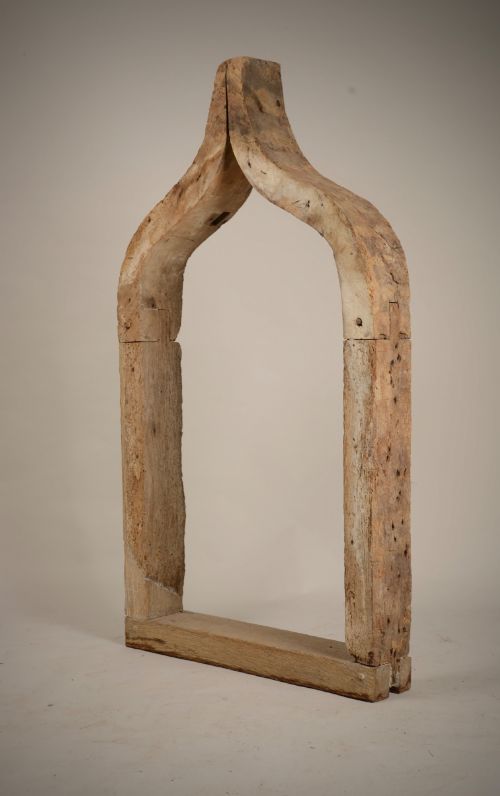


Antique Oak Surround
An antique oak surround grounds a room with timber weight, framing a hearth or wall in the substance of earlier centuries.
Antique Oak Surround
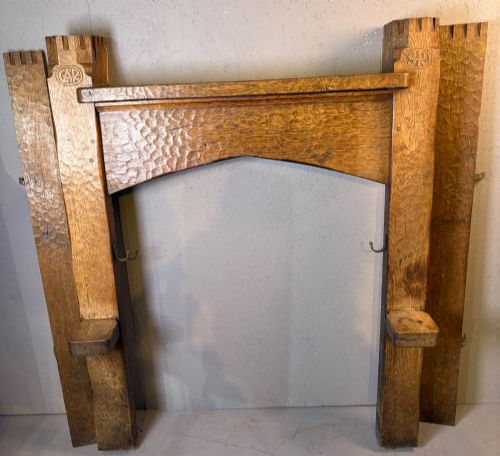
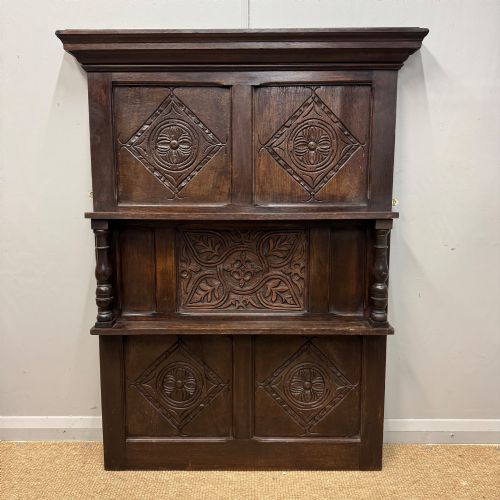
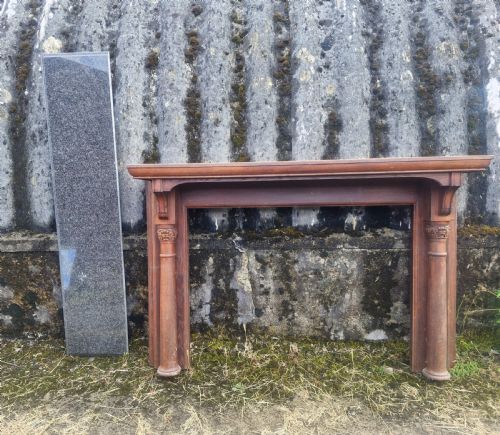
When you search for an antique oak surround, you encounter architectural pieces designed to frame hearths or wall spaces, ranging from fire surrounds to overmantels. The selection on this page draws primarily from the nineteenth century, the Edwardian era, and the nineteen-thirties, alongside earlier seventeenth-century and medieval examples.
These items take various physical forms including fire surrounds, overmantels, club fenders, and fireplace fenders. Materials span plain oak, limed oak, and timber integrated with granite, glass, mirror, leather, and brass elements.
Styles represented across the listings move from Medieval Gothic and Victorian Gothic Revival through to Arts and Crafts, Jacobean Revival, and Deco. This variety ensures that both heavy carved statements and lighter limed surfaces appear for domestic settings.
How they were made
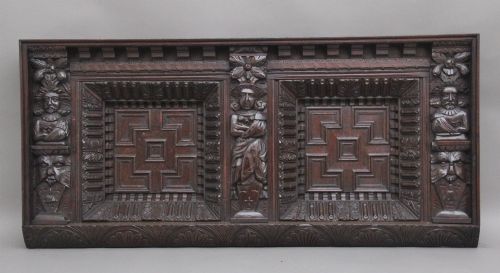
Makers shaped these pieces from solid oak and timber, frequently employing deep hand-carving techniques to render motifs across panels and overmantels. Joinery methods of the period prioritized robust structural frames to withstand the heat and weight associated with hearths.
Metalwork and stone integration required specialised fitting, combining oak structures with brass studs, steel components, and polished granite tops. Surface finishes range from traditional dark wax polishes to twentieth-century limed oak treatments.
Antique Oak Surround Retail Price Guide 2026
Typical asking prices for oak surround among the pieces listed under this phrase on Sellingantiques today, from the lower quarter to the upper quarter. They describe what is for sale here now, not the wider market.
Some club fenders arrive with adjustable frames, built originally to let families crowd closer to the coal fire on freezing winter nights.
What varies in quality
Depth and clarity of the carved detail separate standard joinery from superior examples, particularly on seventeenth-century and revival pieces where chisel work defines the surface. The integrity of the timber framing and the harmonious integration of secondary materials like brass, glass, or granite dictate the overall presence of the piece.
Proportion and architectural balance distinguish finer surrounds from simpler vernacular items, as does the preservation of original patination across the oak surfaces.
William Birch
The Antique Oak Surround Glossary
- Overmantel
- A decorative panel or mirror designed to sit directly above a fireplace mantelpiece. They often mirror the carved motifs found on the surround below.
- Club fender
- A low, padded-seat fender traditionally placed around a hearth for fireside seating. These typically incorporate oak frames with leather upholstery and brass or steel supports.
- Limed oak
- A wood finishing technique that leaves a white pigment in the open pores of the oak grain. This treatment gained popularity in the early twentieth century.
- Gothic Revival
- An architectural and decorative style drawing on medieval forms. Pieces feature pointed arches, tracery, and heavy carved details.
Antique Oak Surround: Frequently Asked Questions
How do I measure for a surround?
Measure the opening height and width of your fireplace opening, ensuring the internal dimensions of the surround clear the firebox by safe margins. Take account of hearth depth and projection into the room.
Check surrounding wall space to ensure the outer dimensions and overmantel height fit the room scale without crowding windows or cornices.
Can I use an antique surround with a modern fire?
Many buyers pair older timber surrounds with modern gas or electric inset fires, provided proper heat insulation and clearance distances are maintained.
Consult a qualified installer regarding regulations for combustible timber frames near heat sources.
How do I date an oak surround?
Dating relies on stylistic clues, tool marks, and construction methods characteristic of periods like the seventeenth century, Victorian era, or Arts and Crafts movement.
Examine the backboards, fixings, and joinery style for consistency with known period manufacturing techniques.
How do I care for limed oak?
Clean limed oak surfaces with a dry or barely damp lint-free cloth to avoid disturbing the pigmented grain filling. Avoid silicone-based polishes that can discolour porous timber.
Feed the wood periodically with a suitable wax to maintain the protective barrier without darkening the limed finish.