





Antique Oak Steps
Antique oak steps provide practical elevation with period character, taking the form of sturdy library ladders, folding flights, and ingenious metamorphic chairs.
Antique Oak Steps
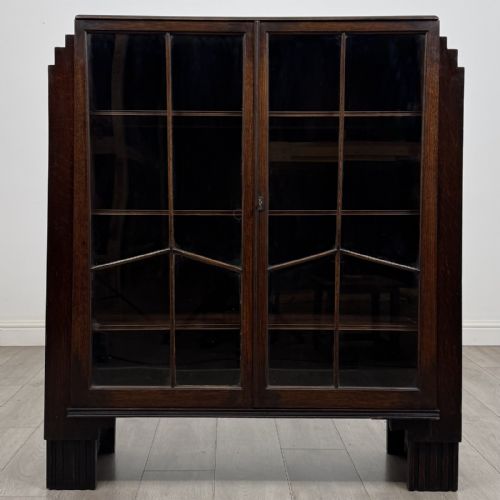
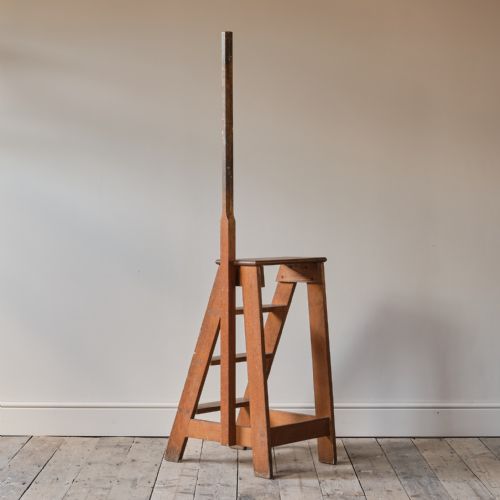
When you search for antique oak steps, you encounter functional timber pieces designed for high shelving and domestic utility. The inventory spans from 18th century examples to Victorian and early 20th century pieces, encompassing Georgian A-frame designs alongside Gothic Revival and Arts & Crafts interpretations.
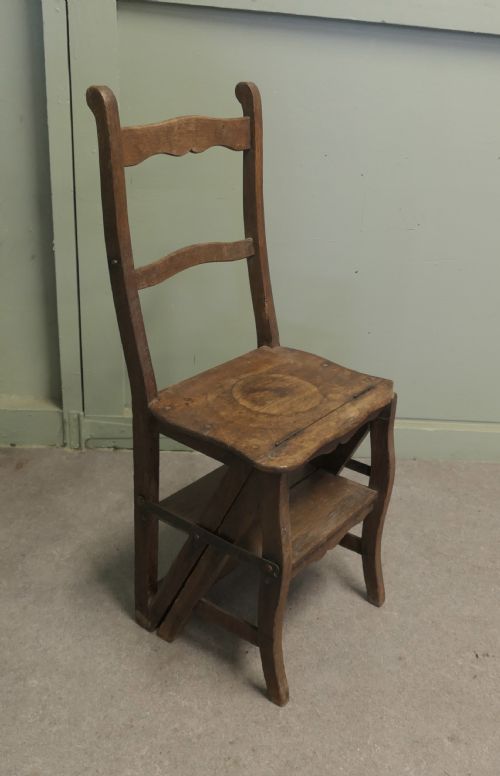
Metamorphic library chairs form a significant part of the selection, transforming from seating into short staircases through clever pivot mechanisms. Simpler ladder steps and folding flights appear alongside these multi-functional forms, constructed primarily in solid oak.
The periods represented stretch across the 18th, 19th, and early 20th centuries, including Edwardian and Art Deco influences. Makers occasionally utilised secondary materials such as brass fittings or leather treads alongside the dominant oak timber.
Materials and construction methods
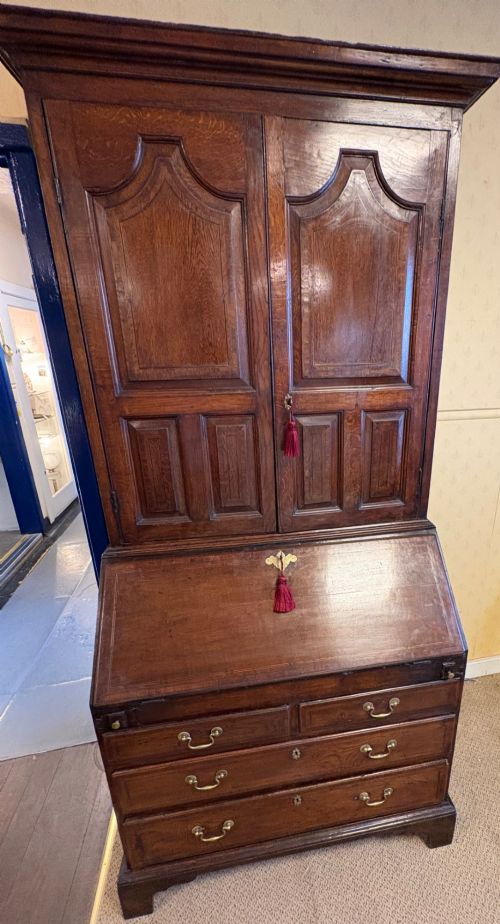
Makers built these pieces primarily from solid oak, sometimes selecting golden oak varieties or crossbanded veneers for refined bureau interiors and step units. Timber selection focused on density and load-bearing strength, essential for items subjected to regular weight.
Metal components such as iron hinges, brass pivots, and locking brackets enabled the folding movement in metamorphic library chairs and collapsible steps. Leather inserts occasionally appeared on step treads to provide grip and reduce wear on the wood.
Joinery techniques relied on traditional framing, mortise and tenon joints, and sturdy stair construction to ensure stability. Craftsmen shaped treads and handrails with simple mouldings, aligning with Georgian, Gothic, or Arts & Crafts aesthetic preferences.
Antique Oak Steps Retail Price Guide 2026
Typical asking prices for oak steps among the pieces listed under this phrase on Sellingantiques today, from the lower quarter to the upper quarter. They describe what is for sale here now, not the wider market.
Materials paired with oak across these items include brass, iron, leather, and canvas.
Assessing craftsmanship and condition
The integrity of the mechanical joints in metamorphic pieces dictates the functional reliability of the steps. Smooth movement in folding hinges and secure locking pins separate well-engineered library chairs from simpler, stiffly operating conversions.
Timber selection and surface finish reveal the underlying grade of the piece, with finely figured golden oak and crisp moulded treads sitting above plain utilitarian variants. Original brass hardware and intact leather treads enhance the authenticity of 19th century examples.
Structural rigidity under load remains paramount, as loose joints or split treads diminish both utility and integrity. Pieces retaining their original surface patination demonstrate better preservation than heavily restored alternatives.
Kershaw Schofield·Richard Hicks Bridgens·A.W.N. Pugin
The Antique Oak Steps Glossary
- Metamorphic furniture
- Pieces designed to transform from one furniture type into another, such as an armchair converting into a set of library steps. This clever engineering served domestic efficiency in period libraries.
- A-frame steps
- Free-standing ladders supported by a hinged rear frame, creating a stable triangular profile. This design provides secure elevation without leaning against shelving.
- Crossbanding
- A border technique where veneer strips are laid running perpendicular to the grain of the central panel. It appears on finer 18th century drawer fronts and stepped cabinet interiors.
- Gothic Revival
- A style drawing inspiration from medieval architecture, characterised by pointed arches, trefoils, and heavy timber mouldings. 19th century library steps often adopted these ecclesiastical motifs.
- Arts & Crafts
- A design movement prioritising honest construction, visible joinery, and traditional craftsmanship over mass production. Pieces from this era display solid oak framing and straightforward functional forms.
Antique Oak Steps: Frequently Asked Questions
How do metamorphic library steps work?
Metamorphic library chairs use hidden pivots and sliding sections that allow the seat back and upper rails to unfold into a flight of steps. The mechanism locks securely into both positions for safe seating and climbing.
Craftsmen concealed these joints within the frame so the piece retained the appearance of a standard armchair or stool when closed.
Were these steps only used in libraries?
While designated as library steps due to their original function of reaching high bookcases, similar scaled ladders and stools served domestic duties throughout the home. Shorter flights helped access high beds, tall cupboards, and Georgian storage spaces.
Sturdier versions also accommodated household tasks where elevated standing was required.
How should I maintain antique oak steps?
Maintain the timber by applying occasional beeswax to nourish the oak and preserve the surface patination. Avoid placing them near direct heat sources to prevent the wood from splitting.
Check hinges and pivot pins regularly on metamorphic models to ensure smooth operation without straining the surrounding joints.
How do I date antique oak steps?
Dating relies on stylistic details, construction methods, and hardware types visible across the piece. Georgian and 18th century examples display different moulding profiles and joinery compared to later Victorian or Arts & Crafts variants.
Patina, timber oxidation, and the complexity of any mechanical pivots also provide clear chronological indicators.