




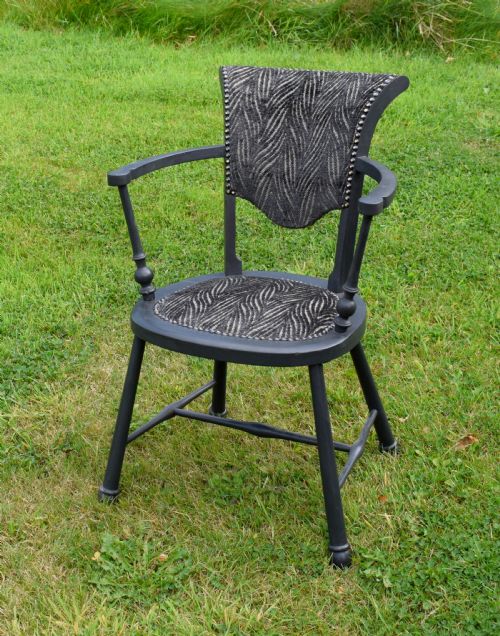


Antique Oak Occasional Chairs
These antique oak occasional chairs offer sturdy timber framing and compact seating, bringing period character and practical charm to any corner.
Antique Oak Occasional Chairs
When you search for antique oak occasional chairs, you encounter a diverse selection of movable seating designed for specific rooms and tasks rather than permanent dining use. The evidence on this page demonstrates that Victorian examples predominate, alongside pieces from the seventeenth century through to the interwar period.
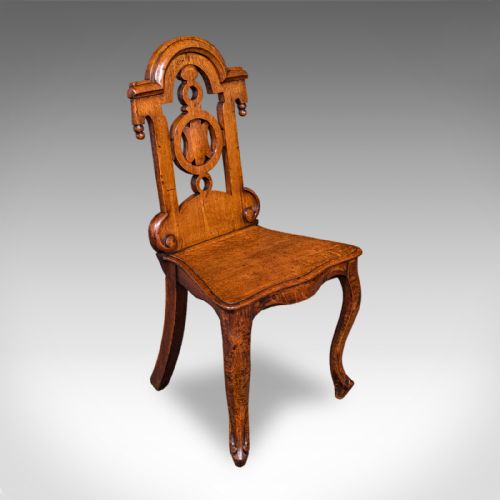
The forms span several distinct seating types, including side chairs, hall chairs, armchairs, slipper chairs, and gossip chairs. These pieces were pulled up to desks, placed in reception halls, or set beside fireplaces as flexible seating options.
Origins and styling vary widely across the inventory, ranging from vernacular British pieces to French chateau models, Italian sgabello chairs, and Arts and Crafts designs. Most items rely on solid oak frames, occasionally enhanced with ebonised wood or upholstered in leather, fabric, and wool tweed.
Materials and construction methods
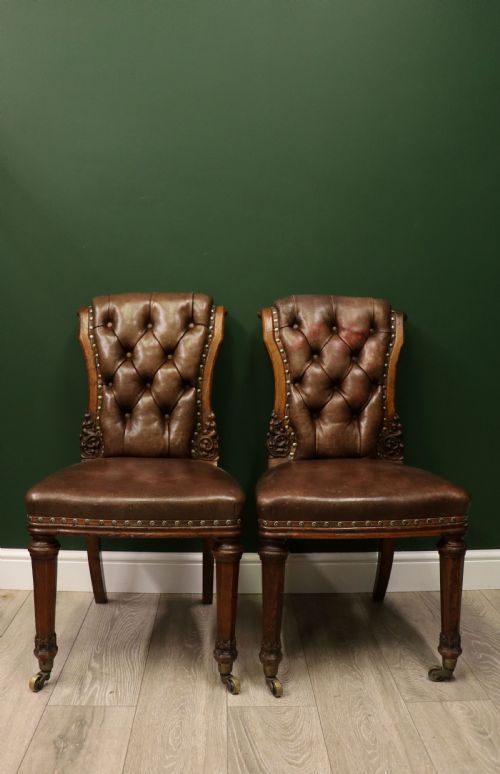
Upholstered variants incorporate traditional stuffing materials held by webbing, paired with leather, woven fabric, or wool tweed secured by brass tacks. Carving and fretwork appear on backs and splats, executed by hand to add decorative relief to the dense timber.
Antique Oak Occasional Chairs Retail Price Guide 2026
Typical asking prices for oak occasional chairs among the pieces listed under this phrase on Sellingantiques today, from the lower quarter to the upper quarter. They describe what is for sale here now, not the wider market.
Current listings feature oak alongside secondary materials including brass, cane, leather, and wool tweed across several centuries.
Assessing quality in construction and design
Superior examples distinguish themselves through the crispness of hand-carving and the quality of the timber selection, such as quartersawn oak displaying pronounced medullary rays. Heavier framing and tighter joinery separate robust library and desk armchairs from lighter decorative seating.
The sophistication of the turning work and the integrity of original secondary materials, including brass fittings and early leather upholstery, elevate individual pieces. Proportion and balance also determine merit, particularly in more specialised forms like folding campaign chairs or sgabello seats.
The Antique Oak Occasional Chairs Glossary
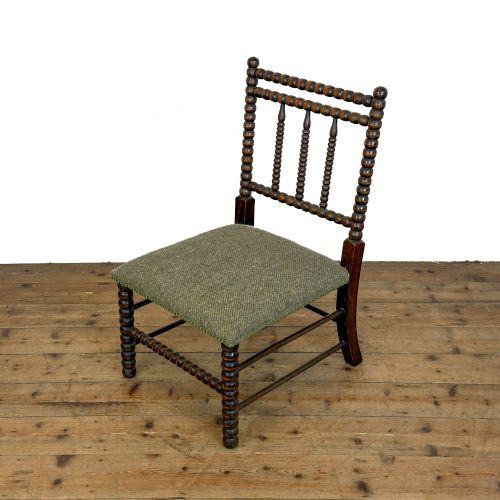
- Bobbin chair
- A seating form characterised by turned woodwork resembling a string of bobbins or spools. This style gained particular popularity during the nineteenth century.
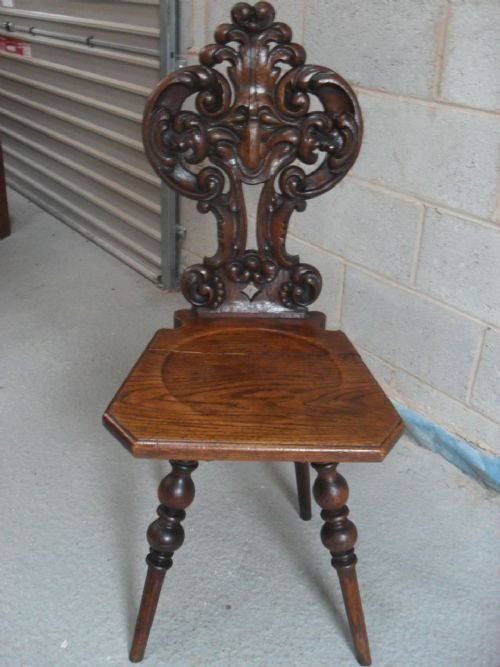
- Sgabbello
- An Italian Renaissance-style wooden chair featuring a high back and solid trestle supports instead of standard legs. These are often elaborately carved.
- Slipper chair
- A low-seated upholstered chair originally designed for bedrooms to assist with putting on footwear. They feature compact dimensions suited to smaller spaces.
- Gossip chair
- An intimate seating form, often paired or double-backed, designed for informal conversation. They frequently date from the late nineteenth or early twentieth century.
- Fret back
- A chair back incorporating pierced openwork patterns cut from a flat board. This decorative technique appears on various Victorian seating designs.
Antique Oak Occasional Chairs: Frequently Asked Questions
Where should I place an occasional chair?
These compact seats suit hallways, bedrooms, and corners of reception rooms where permanent seating is unnecessary.
They offer a flexible seating option that can be moved easily to accommodate guests or fill an empty space.
How do I identify a Victorian oak chair?
Victorian pieces often display characteristic Gothic revival carving, heavy turned members, or shield-shaped backs on hall chairs.
Examining the construction methods and timber characteristics helps distinguish them from later twentieth-century reproductions or interwar designs.
What is an Arts and Crafts chair?
Arts and Crafts seating emphasises visible construction, honest materials, and simplified forms rooted in medieval craft traditions.
These pieces typically showcase the natural grain of the oak timber without excessive surface ornamentation.
Are these chairs comfortable for daily use?
Comfort varies significantly depending on the specific form, ranging from upright hall chairs designed for posture to upholstered armchairs.
Upholstered variants with leather or fabric pads provide softer seating suited for reading desks or fireplace settings.