







Antique Oak Nursery Chair
An antique oak nursery chair brings sturdy regional vernacular craft and domestic history directly into the modern room.
Antique Oak Nursery Chair
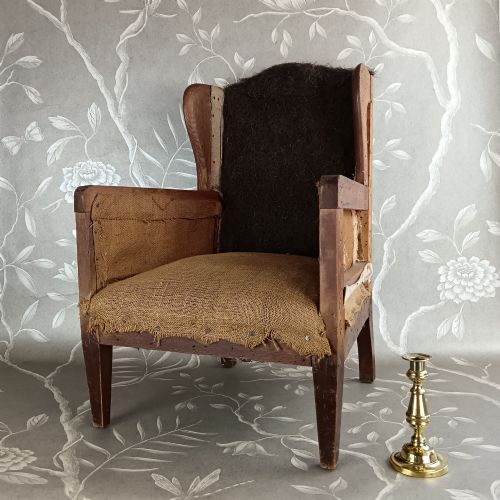
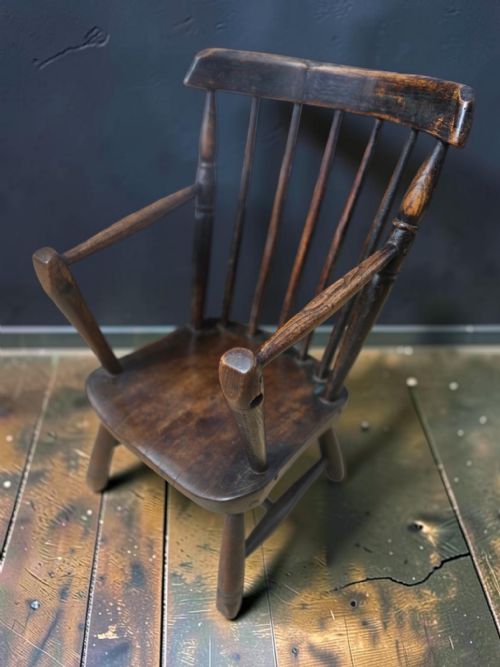
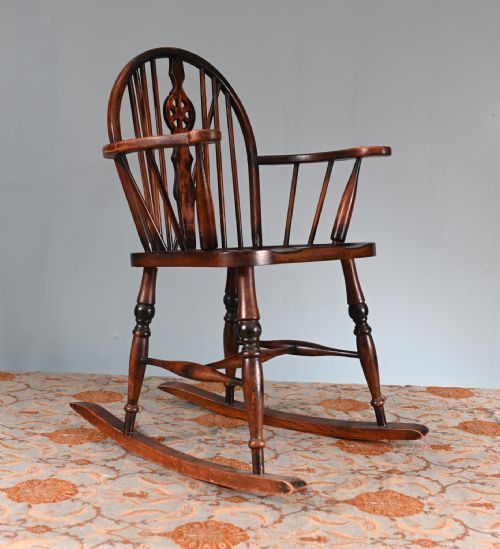
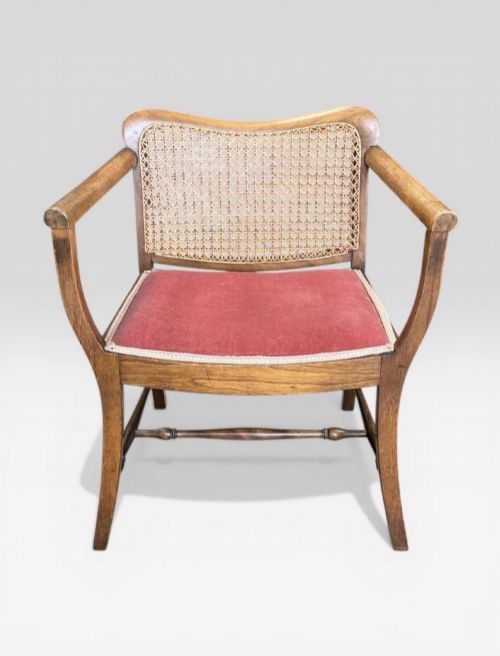
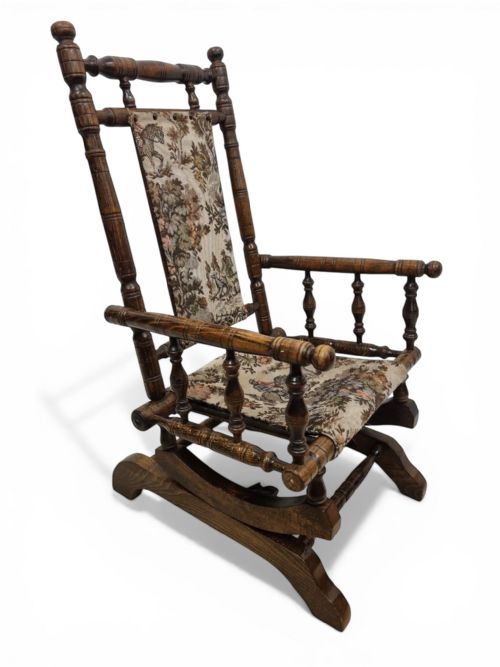
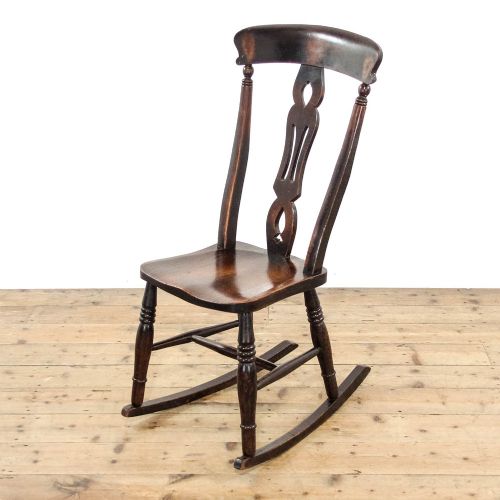
When you search for an antique oak nursery chair, you encounter a specialised form of small-scale seating designed for children and domestic use across the eighteenth, nineteenth, and early twentieth centuries. These pieces encompass low armchairs, high chairs, wingbacks, and rocking variants shaped by English regional vernacular traditions.
Makers ranged from West Country and Welsh rural workshops to commercial cabinet makers like James Shoolbred, producing functional seating that varies from rustic folk art to Georgian revival designs. These smaller chairs survived generations of nursery use because makers utilised robust timbers and honest joinery.
What varies in quality
Quality in these smaller chairs rests upon the integrity of the timber selection and the retention of original structural components. Pieces fashioned entirely from solid oak with well-turned spindles and untouched patination sit higher in the scale than those altered or overly restored over time.
Finer examples display sophisticated regional turning, such as crinoline stretchers on Windsor models or balanced proportions in George III revival styles. The finesse of cane weaving or the tightness of rush seating further separates standard workshop output from exceptional vernacular commissions.
Antique Oak Nursery Chair Retail Price Guide 2026
Typical asking prices for oak nursery chair among the pieces listed under this phrase on Sellingantiques today, from the lower quarter to the upper quarter. They describe what is for sale here now, not the wider market.
Some small chairs were fitted with rockers so enthusiastic infants could safely test their own momentum before graduating to adult seating.
James Shoolbred
The Antique Oak Nursery Chair Glossary
- Windsor chair
- A wooden chair built with a heavy solid wooden seat into which the legs and back-spindles are driven directly. These traditional vernacular seats often feature curved hoops and supportive arm bows.
- Bergere
- An enclosed armchair with a wooden frame where the back and sides are filled with woven cane. This French-inspired technique lightened the visual weight of smaller seating.
- Crinoline stretcher
- A curved metal or wooden brace connecting the legs of a Windsor chair beneath the seat. This reinforcement added considerable strength to the underframe.
- Rush seat
- A seating surface woven from dried marsh grasses twisted into cords. Traditional vernacular chairmakers utilised this flexible material for comfort and durability.
- Vernacular
- Everyday utilitarian objects made by regional craftsmen using local traditions rather than high-style academic designs. These pieces reflect distinct geographical building methods.
Antique Oak Nursery Chair: Frequently Asked Questions
How were these small chairs used?
These seats served everyday domestic functions in nurseries, parlours, and bedrooms for feeding, rocking, or resting. Rocking variants helped soothe infants, while high chairs kept young children secure at table height.
Their robust construction in oak and companion timbers ensured they could endure generations of robust childhood handling without losing structural integrity.
How do I date an oak nursery chair?
Dating relies on examining construction methods, timber choices, and stylistic traits associated with specific eras like the Georgian period or Victorian times. Turned components, stretcher arrangements, and upholstery styles provide key chronological markers.
Comparing regional vernacular details against dated examples helps narrow down the decade of manufacture, from late eighteenth-century Welsh pieces to early twentieth-century Arts and Crafts designs.
How do I care for antique oak furniture?
Maintain these wooden pieces by keeping them away from direct heat sources and dramatic humidity shifts, which can cause timber to split or joints to loosen. Regular dusting with a soft, dry cloth preserves the natural patination.
Avoid modern silicone polishes and instead use traditional beeswax sparingly to nourish the dry oak and highlight the historic grain.