

Antique Oak Art Stand
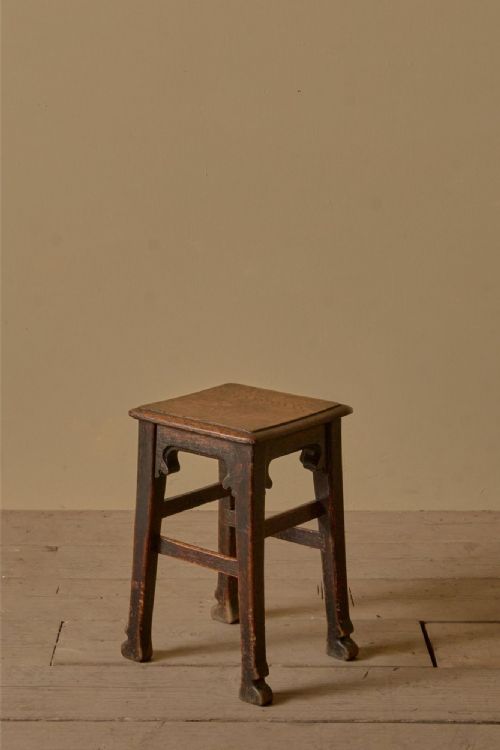
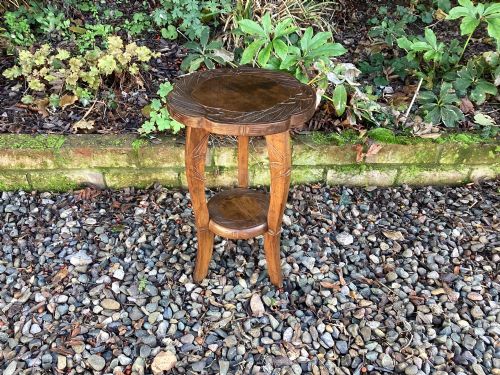
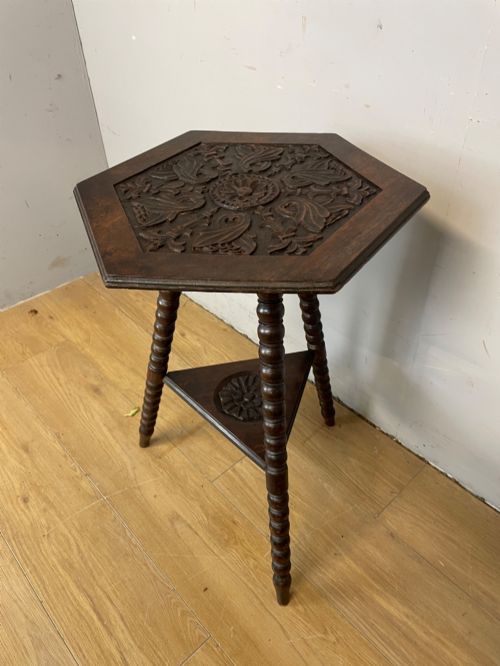
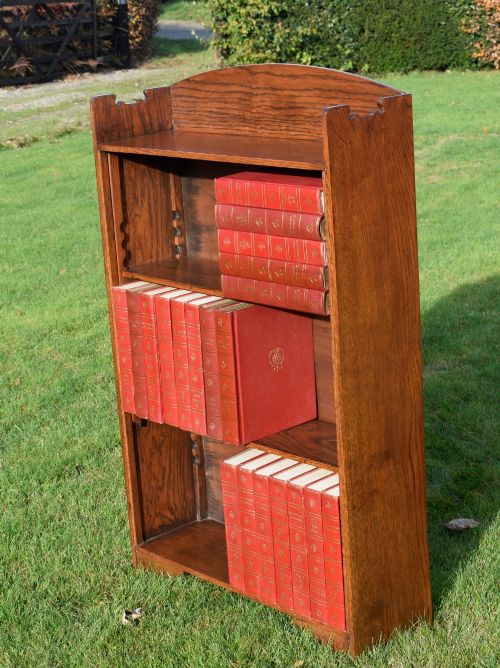
An antique oak art stand brings together solid timber and movement, offering a sturdy surface or display point rooted in the early twentieth century.
Antique Oak Art Stand
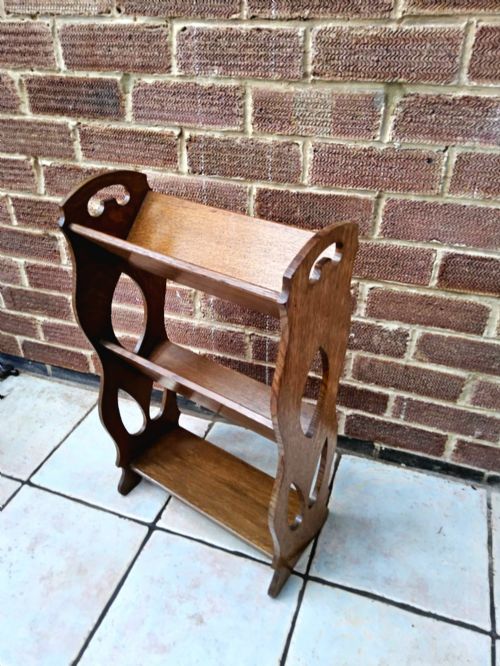
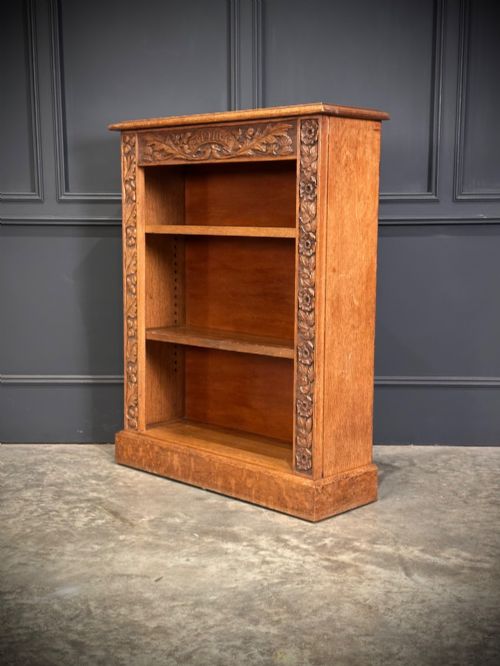
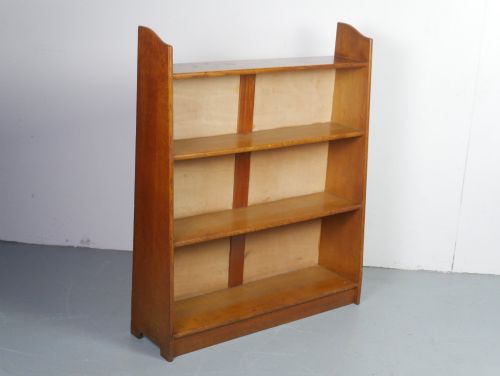
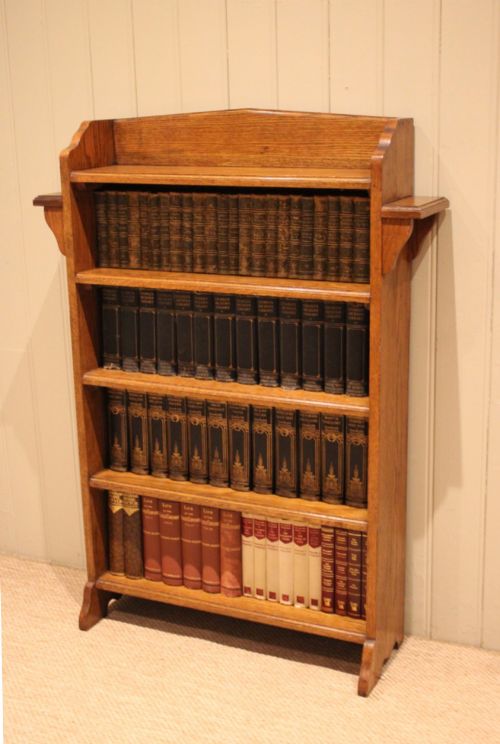
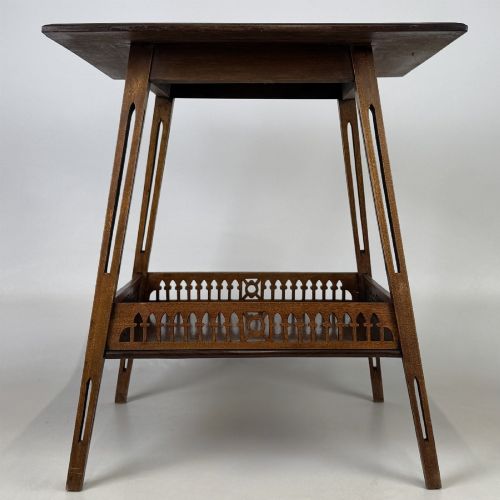
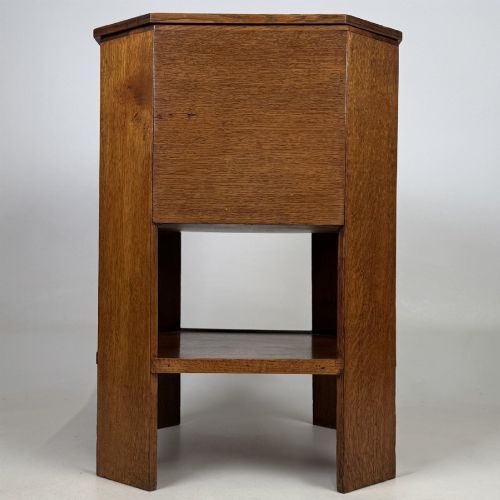
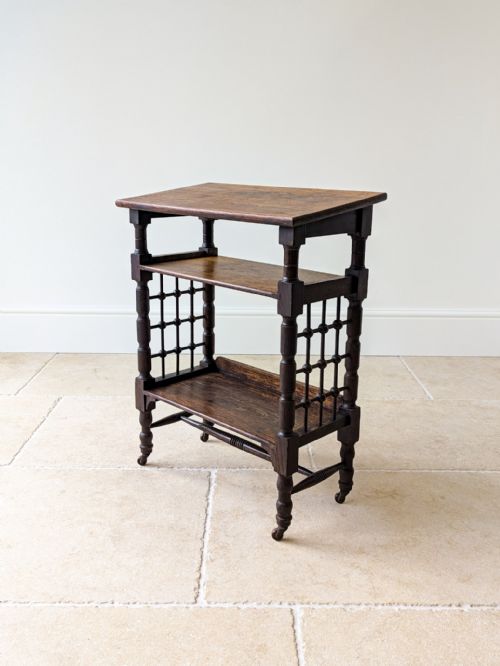
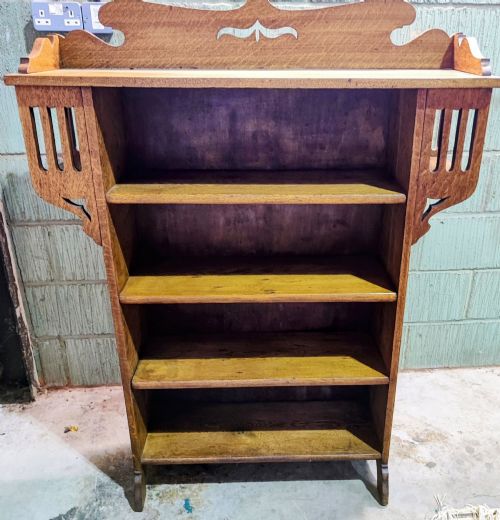
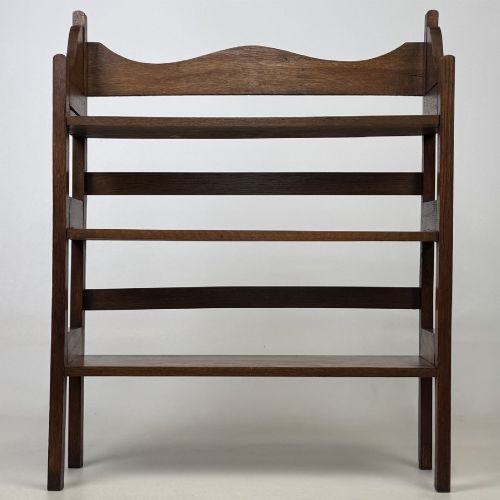
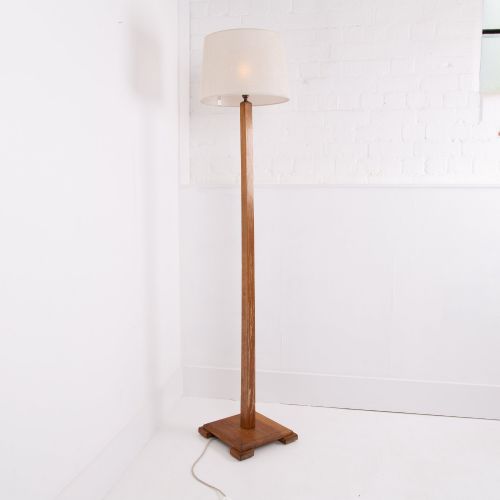
When you search for an antique oak art stand, you encounter pieces spanning the late nineteenth century through to the 1930s, heavily weighted toward the Edwardian era and the Arts and Crafts movement. These items manifest in forms such as plant stands, occasional tables, umbrella holders, and display units.
The aesthetic leans into structural honesty, frequently displaying the grain of golden or dark oak alongside geometric forms, octagonal tops, and pegged joints. Makers of the period applied these designs to domestic items that doubled as functional furniture and artistic focal points.
Materials and Construction
Construction relies primarily on solid oak, selected for its durability and prominent grain, sometimes enhanced by wood inlay, brass, copper, iron, or ceramic tiles. Workshops utilised pegged joints and tapered or square legs rather than concealing structural connections.
Surface treatments range from polished golden oak to darker waxed finishes, occasionally incorporating decorative metalwork details or carved panels to accentuate the design.
Antique Oak Art Stand Retail Price Guide 2026
Typical asking prices for oak art stand among the pieces listed under this phrase on Sellingantiques today, from the lower quarter to the upper quarter. They describe what is for sale here now, not the wider market.
Listings feature oak combined with diverse materials including ceramic tiles, brass, copper, and glass across the Edwardian and Arts and Crafts periods.
Craftsmanship and Proportion
Distinction across the range rests on the integrity of the joinery, the selection of timber, and the presence of notable design hallmarks or maker attribution. Pieces featuring hand-carved elements, integrated tile tops, or complex geometric assembly stand apart from simpler utilitarian items.
Proportion and stability define the better examples, where the weight of the oak supports taller plant stands or multi-tiered tables without wobble or excessive reinforcement.
Finnigans·Shapland & Petter·GM Elwood·JS Henry·Liberty & Co.·William Birch
The Antique Oak Art Stand Glossary
- Arts and Crafts
- A design movement spanning the late nineteenth and early twentieth centuries that prioritised traditional craftsmanship, simple forms, and visible construction methods over mass-produced ornamentation.
- Golden Oak
- A light, warm timber finish popular during the Edwardian period that highlights the natural grain and medullary rays of the wood.
- Pegged Joint
- A traditional method of securing timber components using wooden dowels or pins rather than purely relying on modern adhesives or metal fasteners.
- Occasional Table
- A small, movable side table designed for specific, intermittent domestic tasks such as holding a lamp, book, or plant.
- Raised Gallery
- A low decorative border or railing running along the edge of a tabletop or shelf to prevent items from sliding off.
Antique Oak Art Stand: Frequently Asked Questions
How do I date an oak stand?
Dating relies on stylistic clues, construction methods, and materials recorded in the piece, such as pegged joints typical of the Arts and Crafts era or the lighter golden oak finishes associated with Edwardian production.
Examining the underside, hardware, and any maker signatures helps narrow the decade of manufacture between the late nineteenth century and the 1930s.
Where should I place these stands?
These pieces suit living rooms, hallways, or studies, functioning effectively as plant stands, occasional side tables, or display surfaces for ceramics and books.
Their compact footprints allow them to fit into corners or beside seating without dominating the room.
How do I care for antique oak?
Maintain the timber by dusting regularly with a dry cloth and occasionally applying a suitable beeswax to nourish the dry oak surface and preserve the finish.
Keep the wood away from direct heat sources and strong sunlight to prevent warping or fading of the grain.