




Antique Needlepoint Table
These antique needlepoint table options bring working textiles and sturdy timber together to anchor a room with period character.
Antique Needlepoint Table
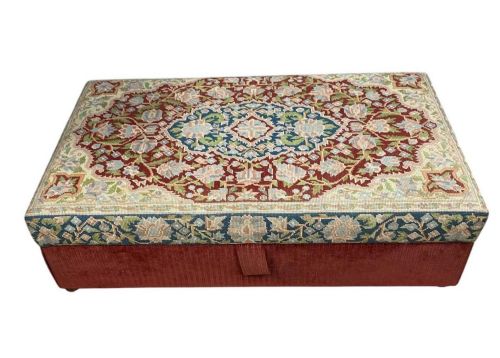
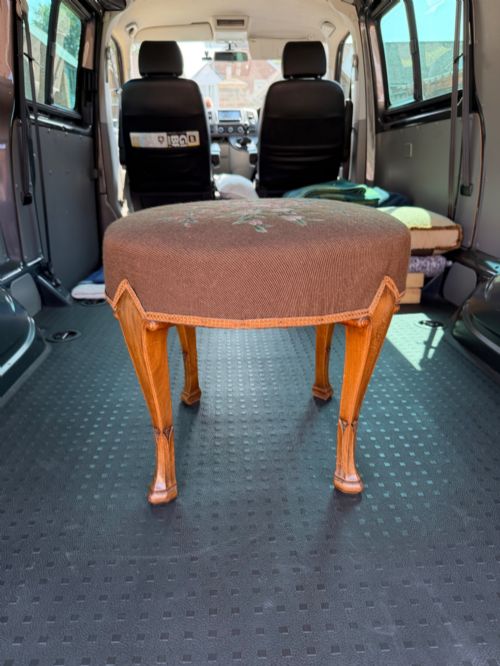
When you search for an antique needlepoint table, you are looking at items that bridge domestic utility and textile display, spanning forms from dressing stools to sewing stands and metamorphic fire screens. The pieces you are most likely to meet on this page are walnut or mahogany stools and small occasional tables produced during the Victorian and Edwardian periods, often featuring worked tapestry tops.
The material evidence shows these works arriving in diverse styles including Queen Anne Revival, Georgian, and Swedish Empire, reflecting generations of domestic craft. Alongside standard stools, the selection encompasses specialised items like tea stands, games tables, and piano stools where needlepoint or beadwork forms the focal point of the surface.
Makers recorded in the archive range from provincial English workshops to notable firms such as H Ogden of Manchester and Whytock and Reid. Understanding these origins helps a buyer place a specific piece within its proper regional or stylistic context.
Materials and construction methods
The timber frames rely heavily on walnut and mahogany, joined with traditional methods to support the weight of daily use while holding intricate carved or polished surfaces. Secondary woods like birch and rosewood appear in specific regional pieces, while ebonised finishes and gilt highlights demonstrate alternative decorative treatments.
Textile surfaces utilise wool, velvet, and fabric worked into tapestry, needlepoint, and beadwork panels stretched over padding and timber bases. Brass fittings, including castors or adjustable hardware, provide structural support and functional movement on items such as piano stools and sewing stands.
Antique Needlepoint Table Retail Price Guide 2026
Typical asking prices for needlepoint table among the pieces listed under this phrase on Sellingantiques today, from the lower quarter to the upper quarter. They describe what is for sale here now, not the wider market.
Listings feature walnut, mahogany, and rosewood frames paired with wool needlepoint, tapestry, and beadwork textiles across Victorian and Edwardian periods.
Distinguishing quality across the range
The standard of carving and timber selection dictates the initial impression of a piece, separating straightforward workshop production from finer cabinet work. Dense, well-figured walnut and mahogany frames with crisp, deep-relief carving indicate superior execution by makers who understood structural balance.
The tightness and complexity of the needlepoint or tapestry work itself determine the enduring visual appeal of the upper tier. Original textile panels retaining vibrant wool colours and dense stitching sit at the top of the range, showing careful execution that complements the timber framework beneath.
H Ogden of Manchester·Whytock and Reid
The Antique Needlepoint Table Glossary
- Needlepoint
- A type of canvas work embroidery stitched by hand using wool or silk yarn. It forms the decorative top insert seen on many period stools and table surfaces.
- Tapestry
- A form of textile art woven on a loom or worked by hand to create pictorial or geometric designs. In these listings, the term describes heavy decorative fabric panels.
- Cross stretcher
- An X-shaped timber brace connecting the legs of a table or stool near the base. This element provides structural rigidity while adding visual detail.
- Metamorphic
- Describing furniture designed to transform from one form or function into another, such as a fire screen that converts into an occasional table.
- Beadwork
- Hand-stitched decoration utilising small glass or ceramic beads applied to a fabric backing. It appears on specialised stands and display platters from the period.
Antique Needlepoint Table: Frequently Asked Questions
What is an antique needlepoint table?
An antique needlepoint table or related stool combines a solid timber frame with a hand-worked textile surface intended for functional domestic use.
These pieces range from dressing stools with tapestry inserts to specialised sewing stands and occasional tables produced across the nineteenth and early twentieth centuries.
How were these tables used?
They served practical daily roles in Victorian and Edwardian parlours, functioning as seating, sewing supports, or display surfaces for tea and games.
Many incorporated adjustable elements or dual purposes, allowing them to adapt to changing domestic tasks throughout the day.
How do I date a piece?
Dating relies on identifying the underlying furniture style, timber choices, and construction techniques used in the frame.
Victorian pieces often feature walnut with heavy turnings, while earlier Georgian or Regency examples display simpler mahogany lines or specific brass hardware.
How do I care for the textile top?
Protect the wool and tapestry surfaces from direct sunlight to prevent the natural dyes from fading over time.
Gentle brushing and avoiding excessive moisture will keep the needlework secure within its wooden frame.