

Antique Needlepoint Art
These antique needlepoint art pieces bring centuries of hand-worked wool, silk, and linen into modern rooms.
Antique Needlepoint Art
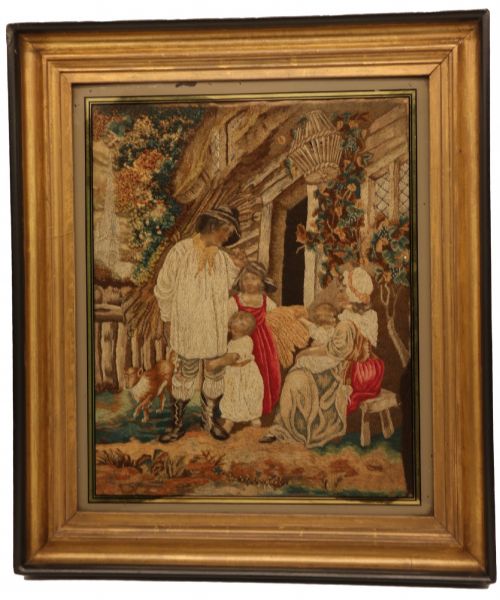
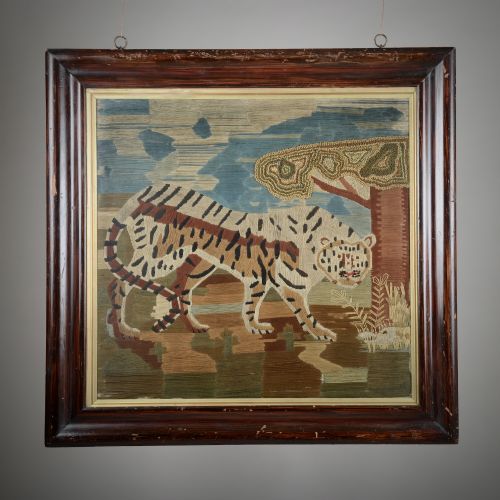
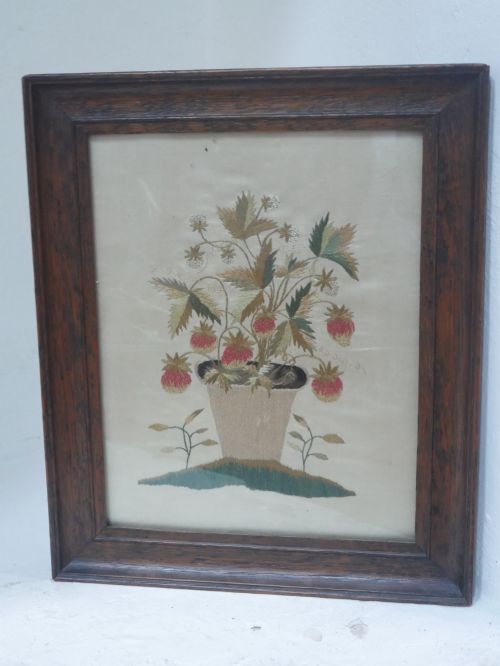
When you search for antique needlepoint art, you encounter hand-stitched wall hangings, framed samplers, and decorative textile panels produced across several centuries.
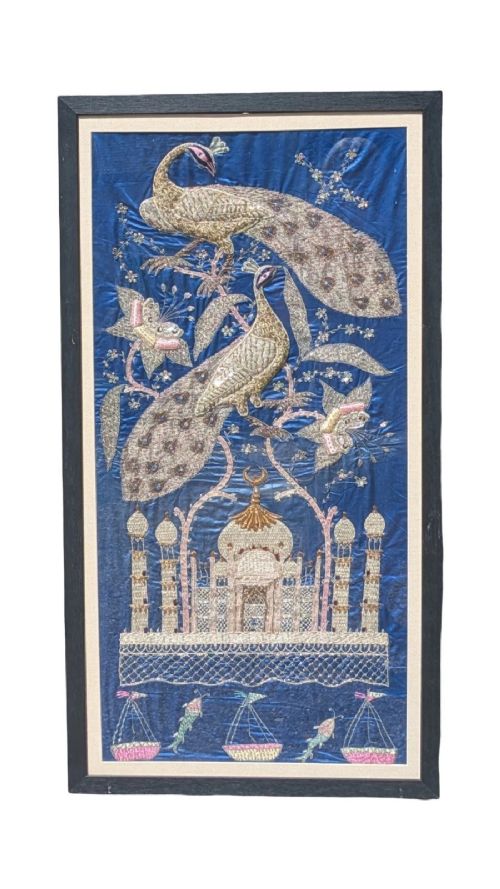
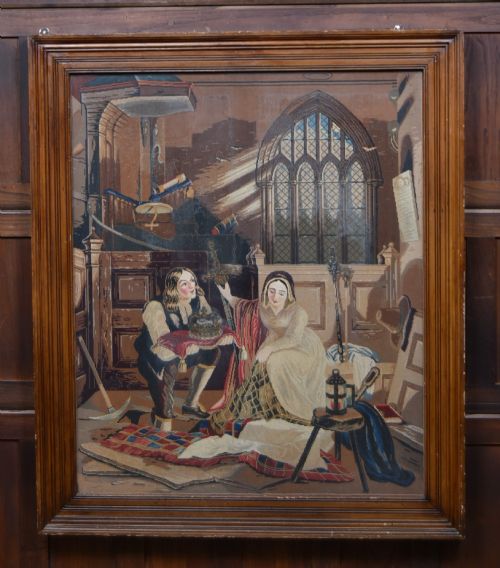
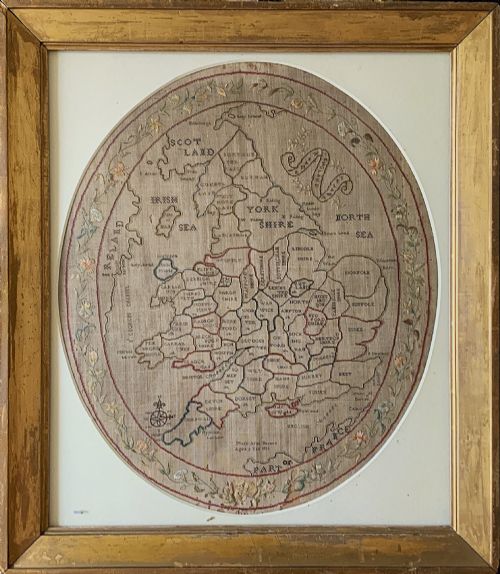
The pieces on this page span the seventeenth through the early twentieth centuries, encompassing Victorian woolwork, Georgian maps, and seventeenth-century silk embroidery panels.
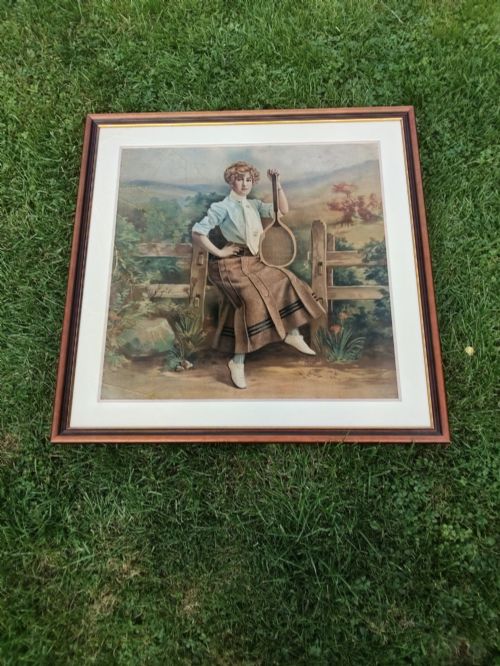
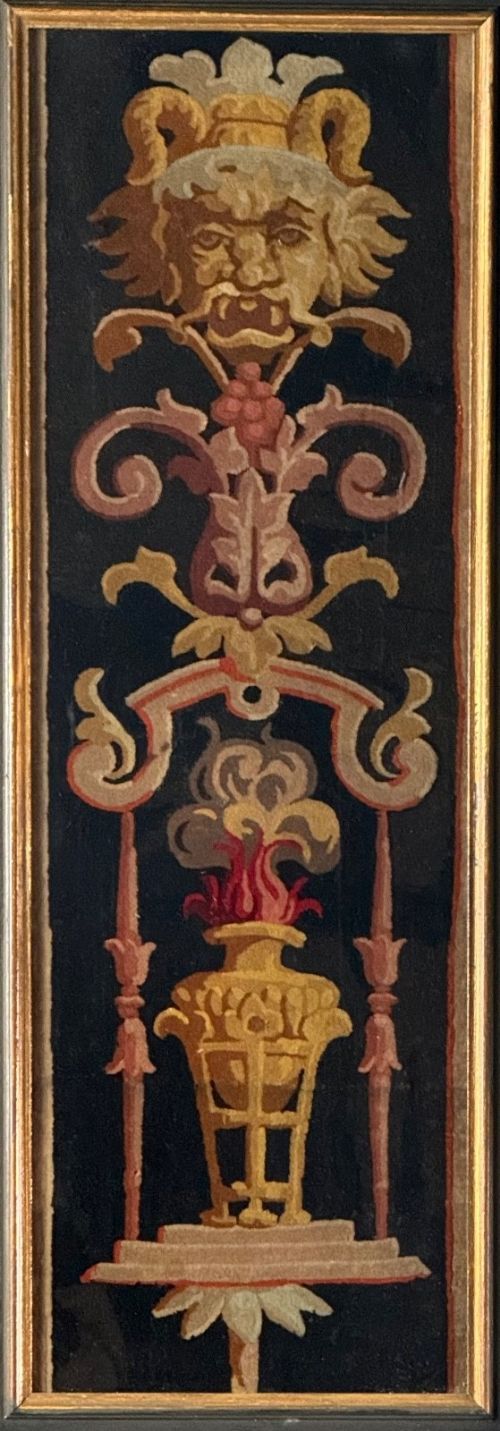
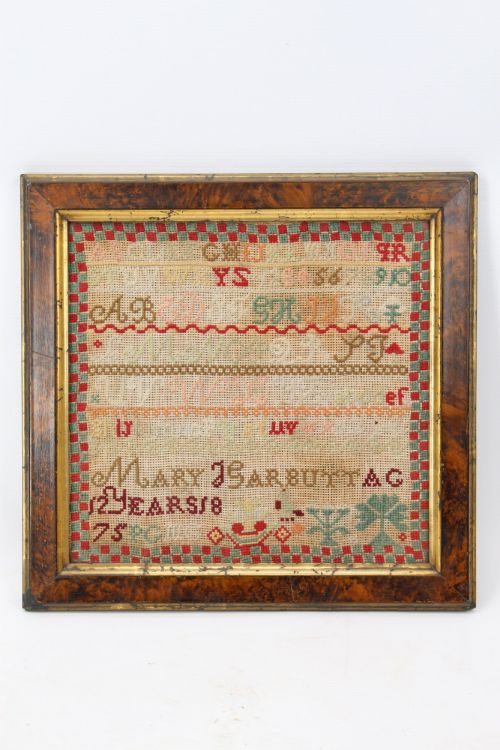
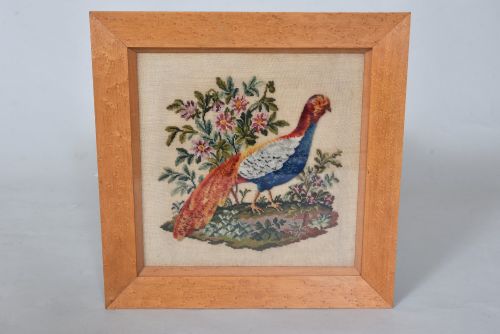
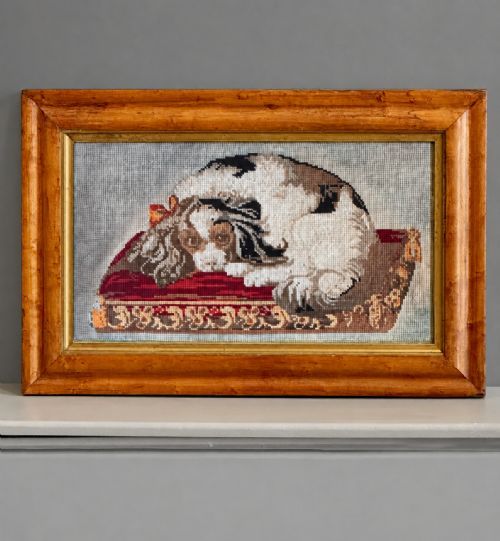
Framed textile art and mounted pictorial panels dominate the selection, often preserved behind glass in period frames such as burr maple or giltwood.
How they were made
Maker's materials typically combine wool, silk, linen, and canvas, frequently supported by wooden frames and protective glass glazing.
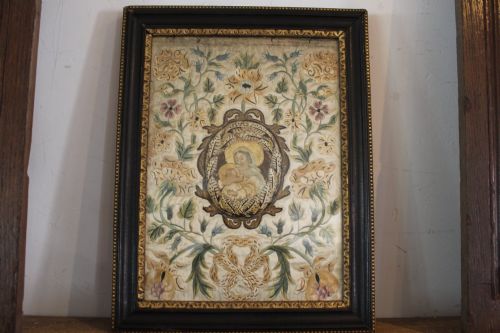
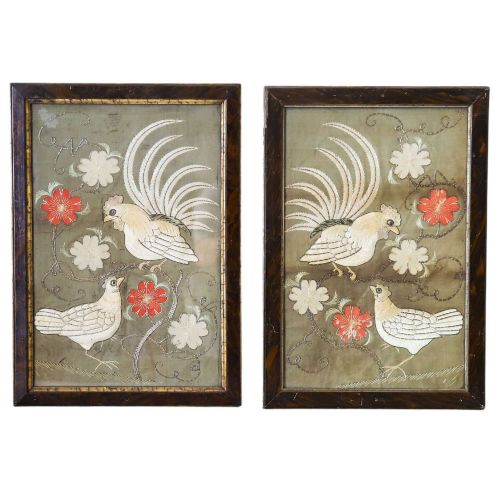
Techniques range from fine silk floss embroidery and metal thread work to Berlin woolwork, gros-point, and long stitch picturing animals, portraits, and maps.
Earlier examples utilise hand-spun threads on linen grounds, while later Victorian and Edwardian works employ Berlin woolwork charts on canvas.
Antique Needlepoint Art Retail Price Guide 2026
Typical asking prices for needlepoint art among the pieces listed under this phrase on Sellingantiques today, from the lower quarter to the upper quarter. They describe what is for sale here now, not the wider market.
Listings feature textile art from the seventeenth, eighteenth, nineteenth, and early twentieth centuries, worked in wool, silk, and linen.
What varies in quality
Quality rests in the precision of the stitching, the complexity of the pictorial subject, and the preservation of the original fibres against fading.
The integrity of the original frame, such as burr maple or verre églomisé glass settings, alters the desirability and period harmony of the piece.
Liberty and Co
The Antique Needlepoint Art Glossary
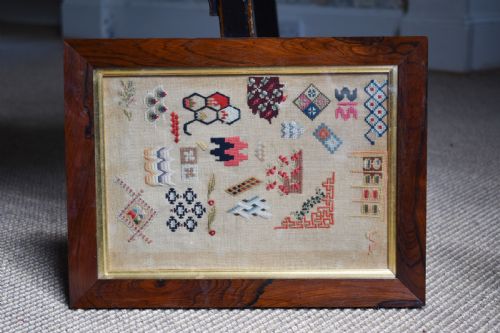
- Sampler
- A piece of textile work produced as a demonstration or test of skill in various stitches, often featuring alphabets, numbers, or moral verses.
- Berlin work
- A style of needlepoint popular in the nineteenth century that used printed and hand-coloured grid patterns for wool embroidery on canvas.
- Gros-point
- A coarse needlepoint stitch executed on canvas, commonly utilised for durable pictorial panels and tapestries.
- Verre églomisé
- A process of applying design and gilding to the rear face of glass to create a decorative framing border.
- Metal thread
- Fine wire made of silver or gold, used in embroidery to add reflective highlights and texture to pictorial panels.
Antique Needlepoint Art: Frequently Asked Questions
How do I hang needlepoint art?
Hang these framed textiles away from direct sunlight to protect delicate silk and wool threads from fading over time. Keep them in rooms with stable humidity to preserve both the fabric ground and the antique wood frames.
Ensure secure wall fixings are used, as framed glass pieces carry substantial weight depending on the size of the wooden or gilt frame.
What is the difference between tapestry and needlepoint?
Needlepoint is stitched onto an existing woven canvas mesh, whereas traditional tapestry is woven on a loom where the design forms part of the fabric structure itself.
Most pieces found under this heading are needlepoint or embroidery worked by hand rather than woven tapestries.
How do I date an antique sampler?
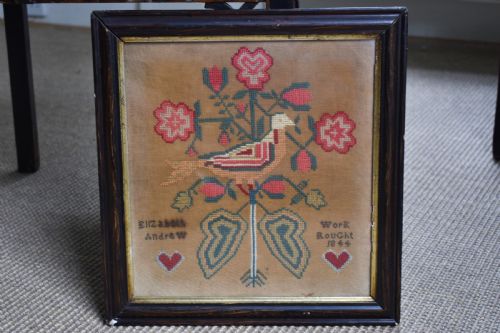
Many samplers include embroidered dates, maker names, and ages, which provide a precise point of origin. Stylistic markers such as alphabet arrangements, framing motifs, and material types help narrow down pieces lacking inscribed dates.
Georgian and Victorian examples often feature distinct pictorial borders and regional map designs characteristic of specific decades.
Are these pieces cleaned?
Antique textiles require specialist conservation rather than standard washing, as old silk and wool fibres degrade easily with moisture. Surface dust is best removed gently with a soft brush while the textile remains sealed behind its protective glass.
Professional conservators should handle any structural repairs or frame restoration to maintain the integrity of the original stitching.