



Antique Music Player
An antique music player brings mechanical sound and historic craftsmanship into a room.
Antique Music Player
When you search for an antique music player, you find mechanical sound machines and related artistic depictions spanning the eighteenth to the twentieth centuries. The selection on this page includes music boxes, gramophones, and large symphoniums alongside cabinets, porcelain figures, and oil paintings.
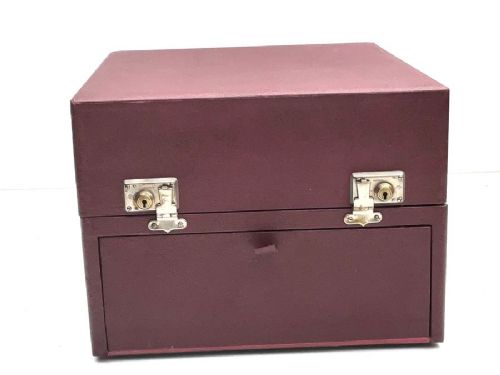
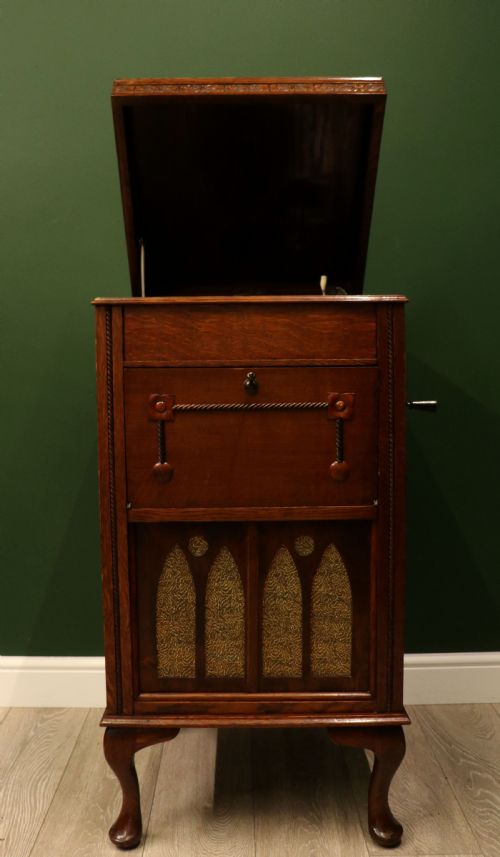
You are most likely to meet Victorian and Edwardian examples housed in walnut or mahogany cases. These range from table-top gramophones and mandolin music boxes to upright parlour models and disc-playing musical instruments.
The category also encompasses earlier musical subjects, such as eighteenth-century oil paintings and nineteenth-century porcelain figures depicting musicians. Each object reflects the domestic entertainment and artistic tastes of its respective period.
How they were made
Makers constructed the housings of these pieces using traditional timbers like walnut, mahogany, and rosewood, often forming substantial table-top and upright cases. Internal mechanical components combined brass, steel, and metal parts to drive cylinders, discs, and turntables.
Surface finishes and detailing incorporated leatherette, glass elements, and fine joinery. Artistic pieces utilised oil on panel for paintings and porcelain for detailed figural models.
Antique Music Player Retail Price Guide 2026
Typical asking prices for music player among the pieces listed under this phrase on Sellingantiques today, from the lower quarter to the upper quarter. They describe what is for sale here now, not the wider market.
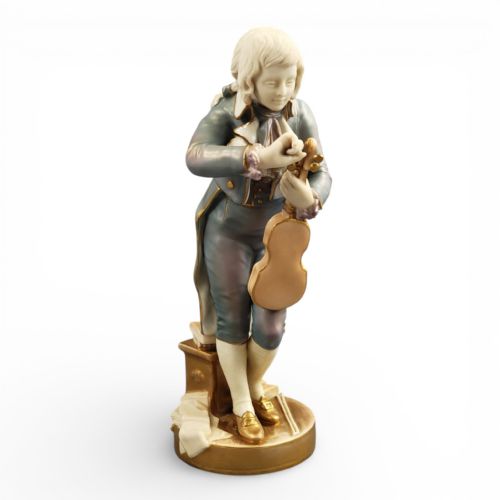
One porcelain figure captures young Mozart poised with his instrument, ready to entertain an imaginary nineteenth-century parlour.
What varies in quality
Quality rests in the complexity and scale of the internal mechanism, particularly in elaborate symphoniums and multi-tune music boxes by noted makers. Robust construction of the timber case and the preservation of original brass and steel components elevate a piece.
Artistic execution distinguishes the decorative objects, where finely modelled porcelain figures and detailed oil paintings demonstrate superior handcraft compared to standard production items.
U Phone of Leeds·Lochmanns·B A Bremond·Royal Worcester
The Antique Music Player Glossary
- Gramophone
- A mechanical sound player that uses a flat disc record to reproduce audio. These table-top and upright machines date from the late nineteenth and early twentieth centuries.
- Symphonium
- A large music box that plays interchangeable metal discs rather than pinned cylinders. These heavy table-top instruments produce rich mechanical sound.
- Cylinder music box
- A mechanical box that uses a rotating brass cylinder set with tiny pins to pluck the teeth of a steel comb. Some variations include mandolin attachments for a shimmering tremolo effect.
- Music cabinet
- A dedicated wooden piece of furniture designed to store sheet music or discs. These Edwardian and Victorian cabinets often feature tiered internal shelving and glazed or panelled doors.
- Porcelain figure
- A ceramic sculptural representation modelled in clay and glazed. Subjects often depict historical musicians or classical figures from the eighteenth and nineteenth centuries.
Antique Music Player: Frequently Asked Questions
How do cylinder music boxes work?
These boxes rely on a brass cylinder pinned with precise projections that correspond to musical notes. As clockwork drives the cylinder to rotate, the pins pluck individual teeth on a tuned steel comb to create a melody.
More complex movements incorporate additional combs or mandolin attachments to vary the tone and volume of the played tune.
What is the difference between a music box and a symphonium?
Traditional music boxes utilise a pinned metal cylinder to play a fixed set of tunes, limiting the repertoire to what is mounted on the barrel. Symphoniums use flat, perforated metal discs that can be swapped out to play different musical pieces.
Disc-playing machines generally offer greater versatility and a larger volume of sound due to their substantial internal comb arrangements.
How do I care for a mechanical music player?
Keep wooden cases away from direct sunlight and dramatic humidity changes to protect the timber and internal glues. Regular gentle dusting preserves the exterior finish and prevents debris from entering the delicate mechanism.
Avoid over-winding the spring motors and consult a specialist if the clockwork or comb requires adjustment or lubrication.
Where were these music players used?
Owners placed these machines in the principal reception rooms and parlours of Victorian and Edwardian homes to entertain family and guests. They served as the primary source of automated domestic music before the widespread adoption of radio and electrical amplification.
Larger table-top and upright models acted as both acoustic instruments and impressive items of architectural furniture.