


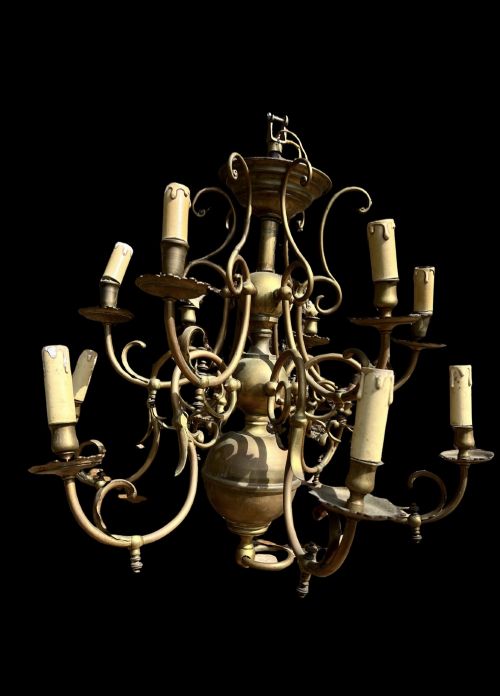
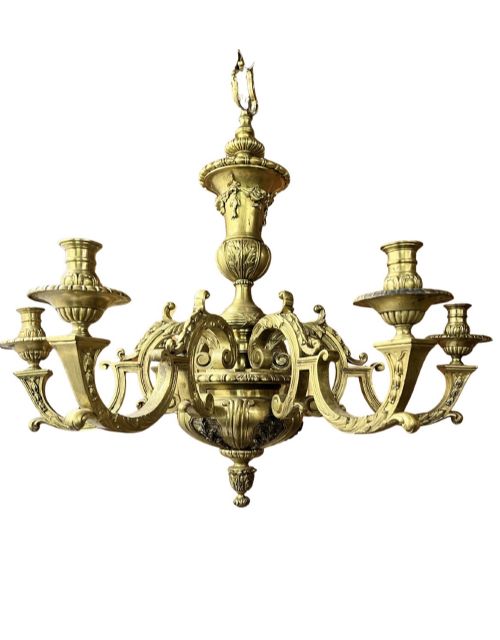


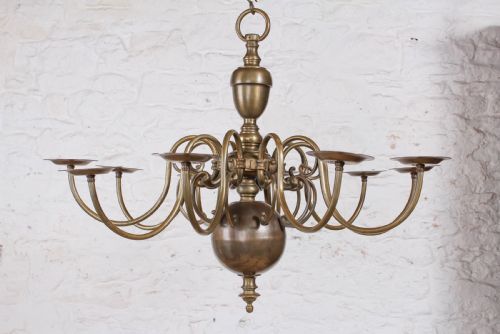
Antique Multi Light Fixture
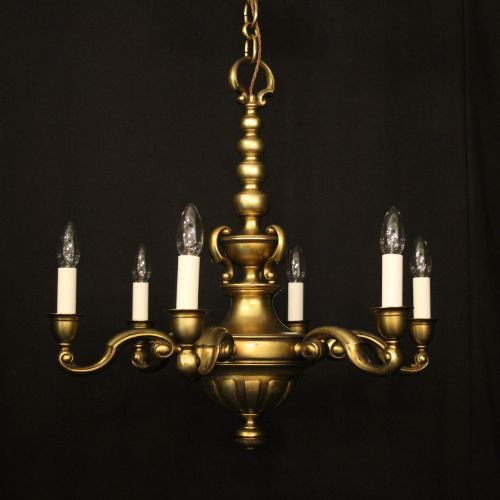
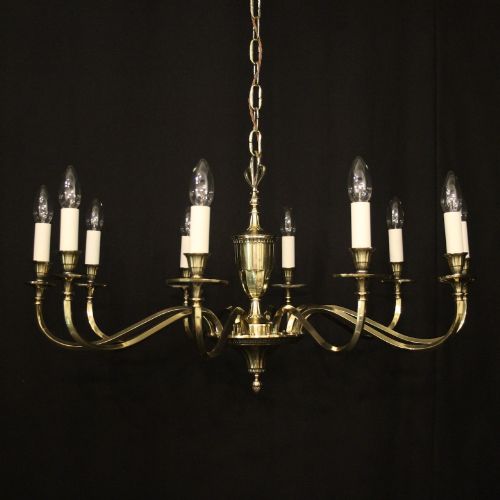
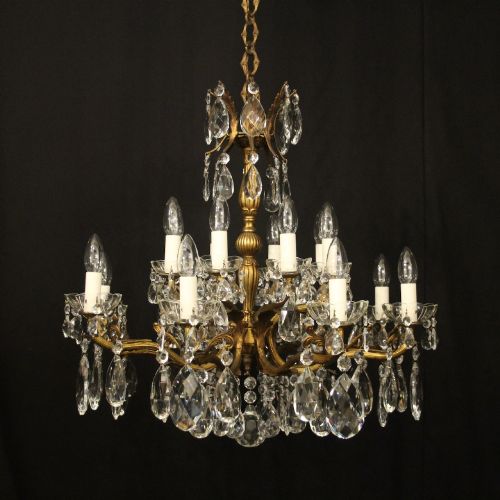
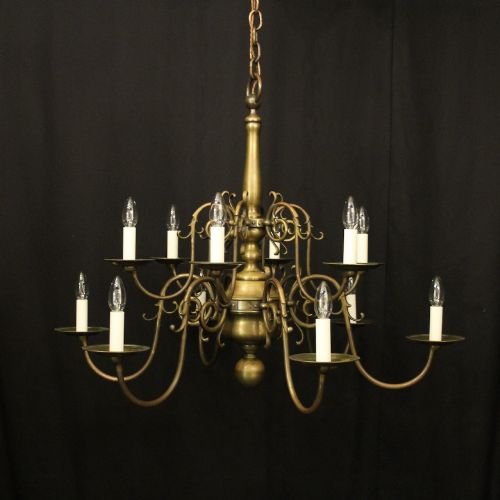
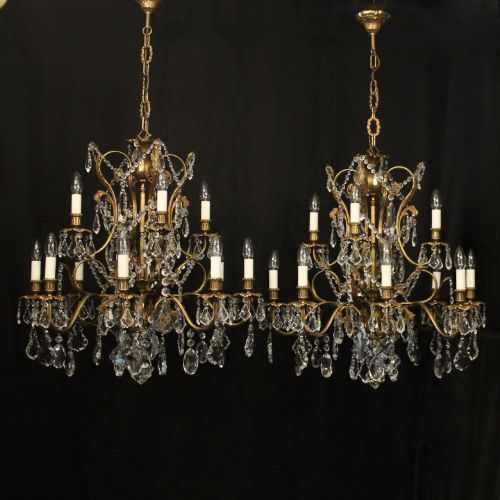
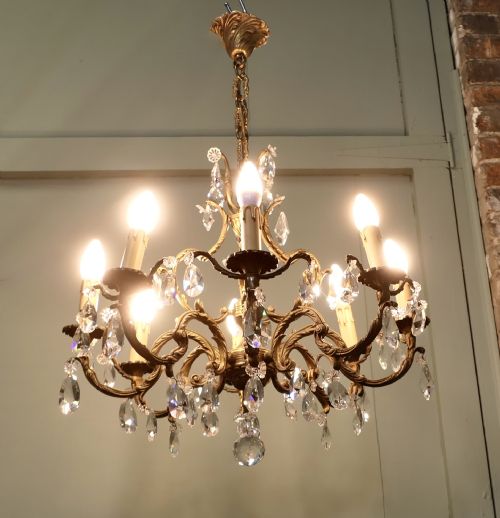
These antique multi light fixture designs bring heavy cast brass, cut crystal, and multiple illumination points together to anchor a room.
Antique Multi Light Fixture
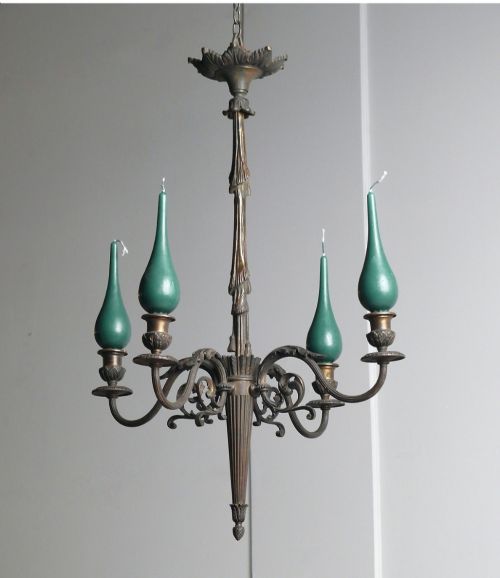
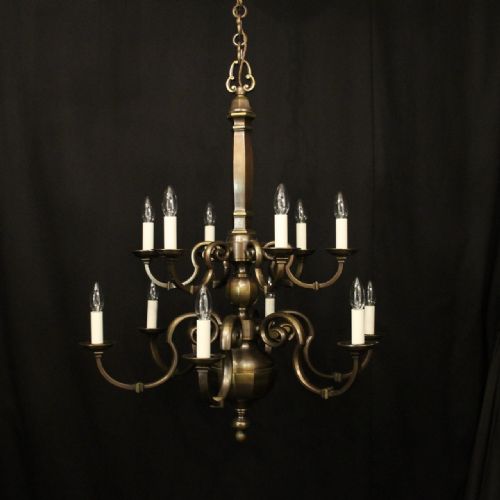
An antique multi light fixture provides illumination through multiple arms, branches, or tiers, appearing most frequently as large chandeliers, pendant lights, and ceiling lights across this selection. Buyers find pieces ranging from compact five-arm Edwardian brass fixtures to massive twenty-four and forty-one light ballroom chandeliers dating from the nineteenth century up through the nineteen-thirties.
The objects originate across diverse European aesthetics, including French Chateau, Victorian, Edwardian, Grand Regency, Arts and Crafts, Art Deco, and English Country styles. Brass and bronze frames dominate the construction, often paired with extensive cut glass and crystal drops, lustres, and swags.
Examples span several decades of domestic and grand interior lighting, incorporating formats such as gasoliere conversions, double-tiered Italian frames, and leaded stained glass porch lanterns. Buyers encounter works attributed to specific makers alongside unsigned pieces produced across England, France, Italy, and Bohemia.
Materials and construction methods
Foundations rely heavily on cast metals, specifically brass, bronze, gilt metal, or ormolu, shaped into scroll arms and structural frames. Heavier pieces utilise solid brass or copper, whilst others incorporate wrought iron or silver gilded bronze.
Lighting components integrate glass and crystal elements, ranging from hand-cut crystal drops and teardrops to moulded glass shades and pate de verre panels. Lustres, swags, and multi-tiered arrangements are pinned or wired directly to the metal armature.
Antique Multi Light Fixture Retail Price Guide 2026
Typical asking prices for multi light fixture among the pieces listed under this phrase on Sellingantiques today, from the lower quarter to the upper quarter. They describe what is for sale here now, not the wider market.
Materials recorded across the inventory include brass, bronze, gilt metal, cut crystal, leaded stained glass, and pate de verre.
Differentiating quality across pieces
The distinction between standard domestic lighting and top-tier examples lies in the heft of the cast metal and the complexity of the arm configuration. Multi-tiered frames with numerous scroll arms and substantial bronze or brass weight indicate superior manufacture.
Purity and depth in the crystal components dictate visual standard. Superior pieces use dense cut glass and crystal that refract light intensely through elaborate drops and swags, contrasting with simpler moulded shades.
G.E.C·Jean Gauthier·Muller Freres
The Antique Multi Light Fixture Glossary
- Ormolu
- A technique of applying finely ground, high-carat gold to a bronze object using mercury. This finish gives antique French bronze and brass frames a deep, lasting golden lustre.
- Gasoliere
- An early lighting fixture designed specifically to burn coal gas before the widespread adoption of electricity. Many survive converted to modern electrical wiring.
- Lustre
- A cut glass or crystal pendant hung from the arms or crown of a chandelier. These pieces swing and catch the light to brighten the surrounding space.
- Pate de verre
- A glass-making method involving crushed glass packed into a mould and fused in a kiln. It produces richly coloured, textured art glass shades seen on early twentieth-century pieces.
- Scroll arm
- A curved, S-shaped metal branch extending from the central stem of a chandelier to hold a candle pan or lamp holder. Multiple scroll arms define the multi-light format.
Antique Multi Light Fixture: Frequently Asked Questions
What is a gasoliere?
A gasoliere is a lighting fixture originally manufactured to burn coal gas rather than utilise electricity. These fixtures date back to the mid-nineteenth century.
Most surviving examples have undergone conversion to electricity for modern home use while retaining their original brass or bronze construction.
How do I identify an Edwardian chandelier?
Edwardian chandeliers typically date from the early twentieth century and often feature lighter brass frames, five to eight arms, or simpler crystal drops.
They reflect a transition away from heavy Victorian ornamentation towards more restrained domestic hall and bedroom lighting.
What materials are used in these fixtures?
Construction relies primarily on cast brass, bronze, gilt metal, and copper for the structural arms and central stems. These metals provide the necessary strength to support heavy arrangements.
Glass and crystal elements are integrated extensively, including cut crystal drops, moulded glass shades, and pate de verre panels.
Where were these multi light fixtures made?
The pieces originate from various European centres of decorative metalwork and glass production, with strong representation from England, France, Italy, and Bohemia.
Regional styles range from ornate French Chateau and Venetian designs to sturdy English country brass and Arts and Crafts ironwork.