




Antique Multi Light Chandelier
An antique multi light chandelier brings grand illumination to a room, casting warm light through cut crystal drops and polished metal arms.
Antique Multi Light Chandelier
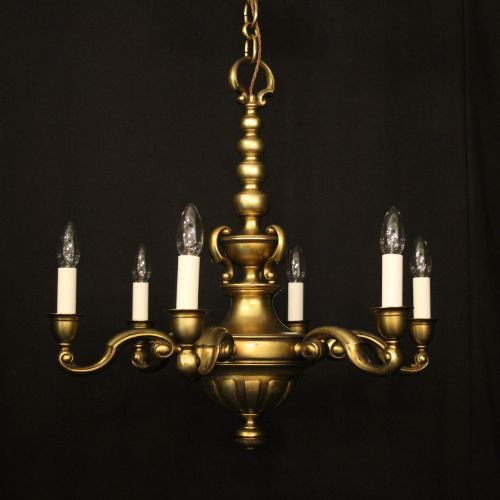
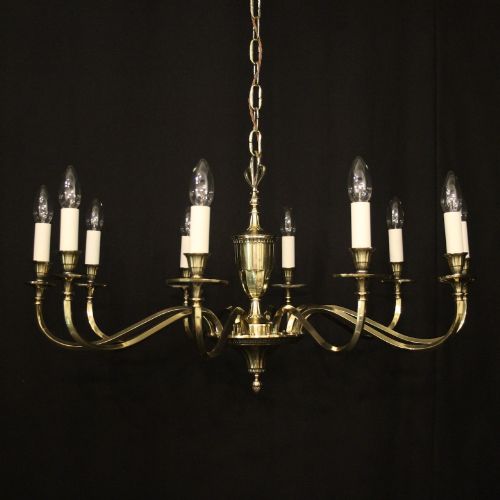
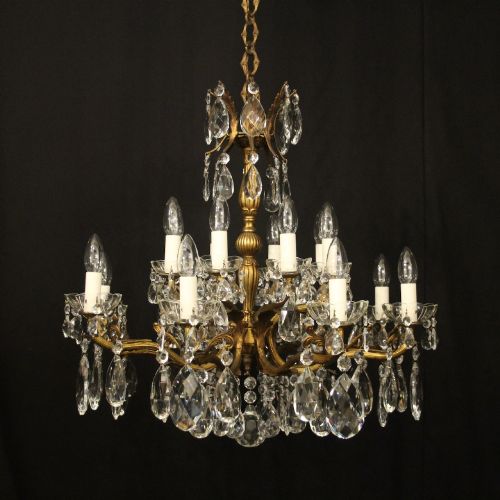
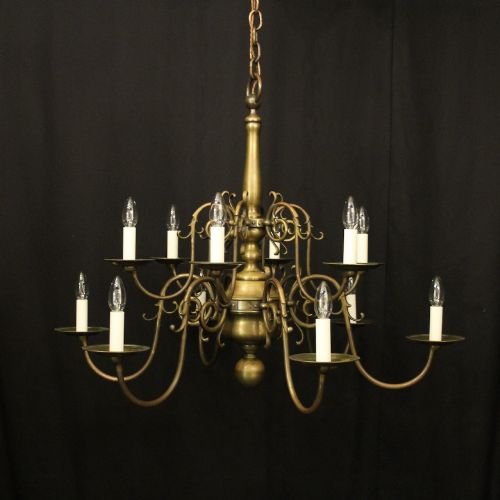
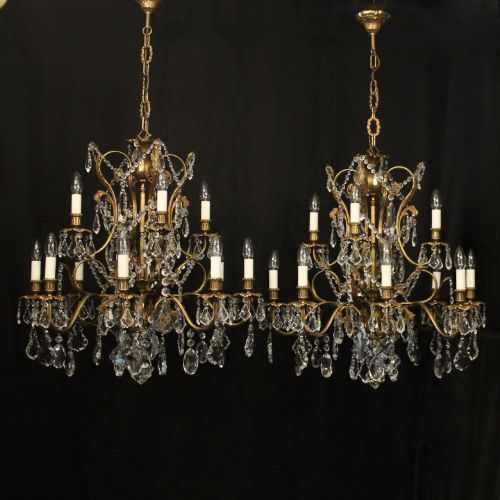
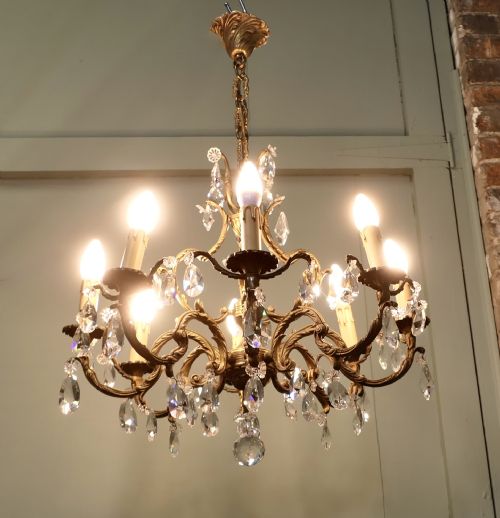
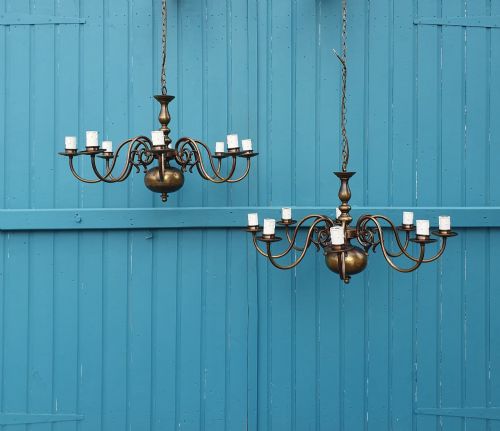
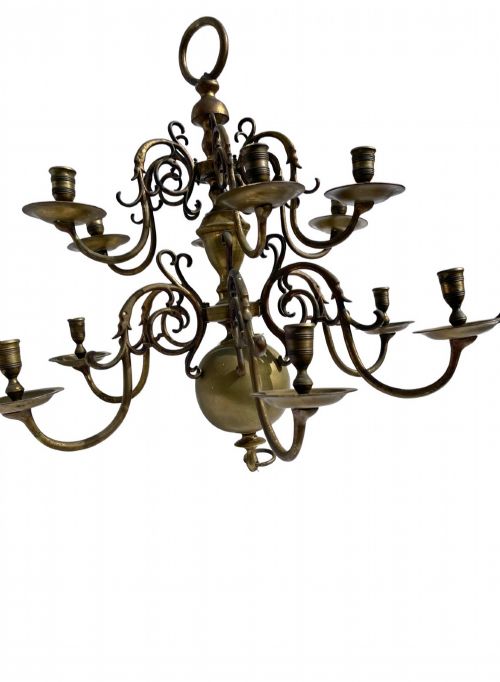
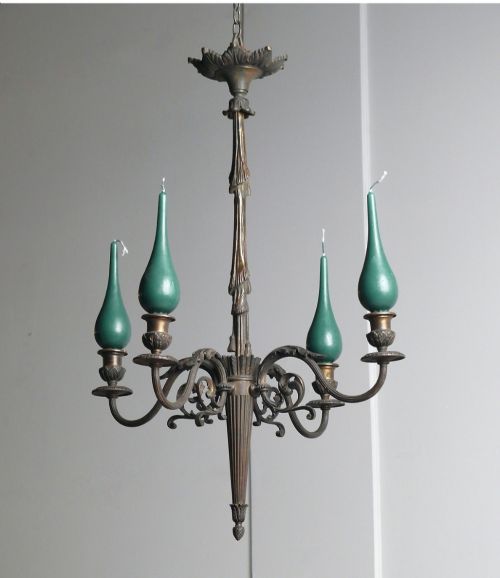
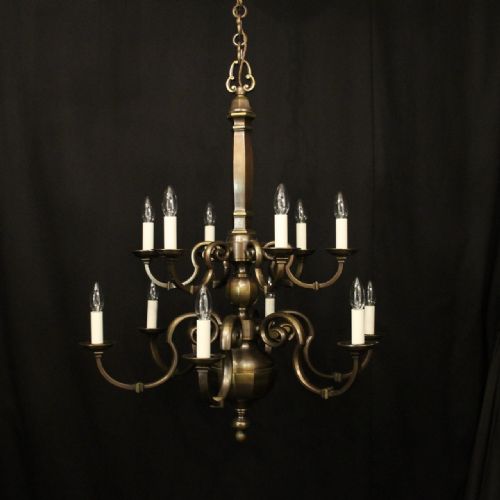
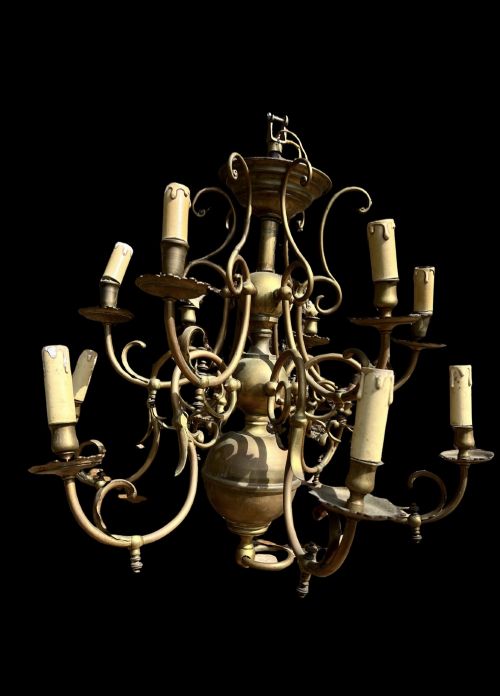
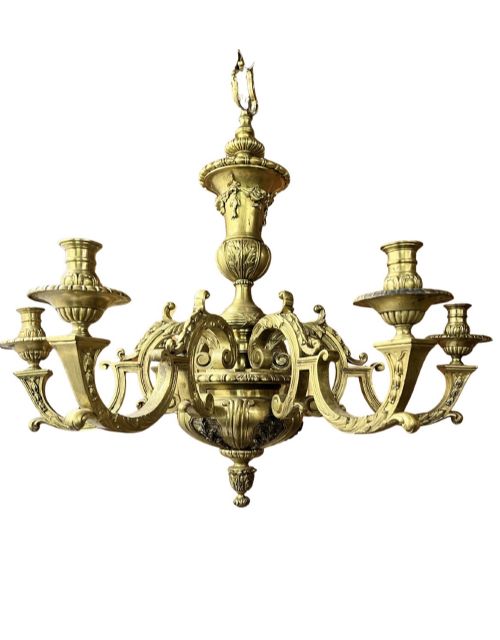
An antique multi light chandelier provides substantial overhead illumination through numerous candle or lamp arms arranged across single or double tiers. When you examine an antique multi light chandelier on this page, you encounter forms ranging from massive ballroom crystal fixtures to smaller domestic brass designs.
The selection includes French, English, Italian, and Dutch pieces spanning the nineteenth and early twentieth centuries. Makers and designers utilised varied styles such as Victorian, Edwardian, Art Deco, and French Chateau to shape these imposing ceiling lights.
How they were made
Foundries cast brass, bronze, copper, and gilt metal into scroll arms and decorative frames to support the weight of multiple branches. Skilled artisans then wired or adapted these metal structures for interior illumination.
Cuts of glass and crystal, including teardrops and lustres, were shaped and hung by hand from wire loops or pins across the frame. Some fixtures incorporated opaque glass elements shaped as grapes and flowers to soften the bulb glow.
Antique Multi Light Chandelier Retail Price Guide 2026
Typical asking prices for multi light chandelier among the pieces listed under this phrase on Sellingantiques today, from the lower quarter to the upper quarter. They describe what is for sale here now, not the wider market.
Materials recorded across the inventory include solid brass, bronze, gilt metal, copper, and cut Bohemian crystal.
What varies in quality
The weight and thickness of the cast brass or bronze frame determine the structural integrity and physical presence of the fixture. Heavier metalwork supports larger tiers and denser arrangements of crystal drops without flexing.
The clarity, cut, and quantity of the crystal and glass components separate standard utilitarian pieces from high decorative examples. Richly coloured crystal teardrops and intricate birdcage frames require greater skill to assemble and balance.
Joseph Wilmotte Liege·Jean Gauthier
The Antique Multi Light Chandelier Glossary
- Gasoliere
- A ceiling light fixture originally designed and piped for coal gas illumination before being converted to electricity later.
- Lustre
- A hanging glass pendant or drop cut to refract light from the central body of the fixture.
- Marie Therese
- A flat-framed style of chandelier where the metal skeleton is largely concealed by glass plates and cascading crystal swags.
- Birdcage
- A cage-like metal frame construction supporting tiers of glass beads, plates, and cascading crystal drops.
- Scroll arm
- A curved metal branch extending outward from the central column to hold a candle or lamp holder.
Antique Multi Light Chandelier: Frequently Asked Questions
How do I clean an antique crystal chandelier?
Cleaning requires a gentle hand and a mild solution applied directly to each crystal drop with a soft cloth rather than submerging the whole frame.
Leaving the drops attached while wiping prevents damage to the delicate brass wire loops and pins holding them to the metal branches.
Can these chandeliers be wired for modern ceilings?
Most of these fixtures have already undergone conversion from candles or gas to electricity during their long histories.
An electrician can easily check the internal wiring and secure the ceiling rose to support the substantial weight of the metal and glass.
How do I tell Edwardian chandeliers from nineteenth century ones?
Edwardian examples often display lighter brass scroll arms and simplified frames compared to the heavier cast bronze or elaborate cut glass of the nineteenth century.
Stylistic influences also shift from Victorian and Dutch Baroque revivals towards cleaner Edwardian and early Art Deco lines.
Where should I hang a large multi light fixture?
These sizable chandeliers demand high ceilings and generous floor space, making them well suited to entrance halls, dining rooms, and ballrooms.
Ensuring adequate clearance beneath the lowest tier allows the piece to dominate the room without obstructing movement below.