





Antique Modernist Lamp
An antique modernist lamp brings clean, industrial lines to a room, offering functional illumination rooted in early twentieth-century design.
Antique Modernist Lamp
When you search for an antique modernist lamp, you are looking at functional lighting shaped by the aesthetic shifts of the 1920s and 1930s. These pieces reject fussy Victorian ornamentation in favour of geometric forms and streamlined silhouettes.
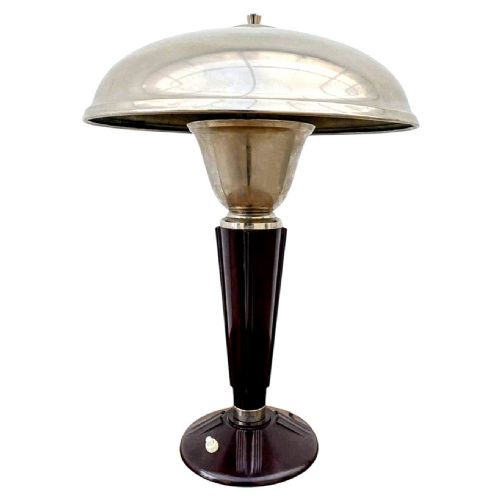
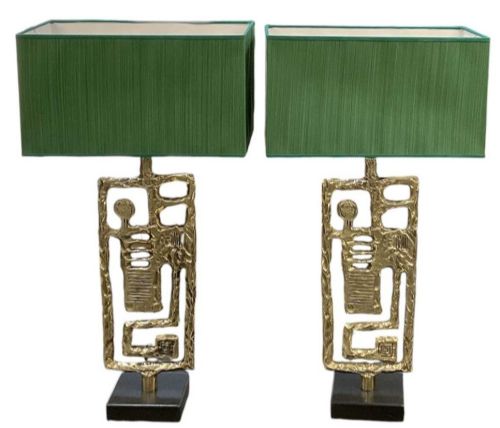
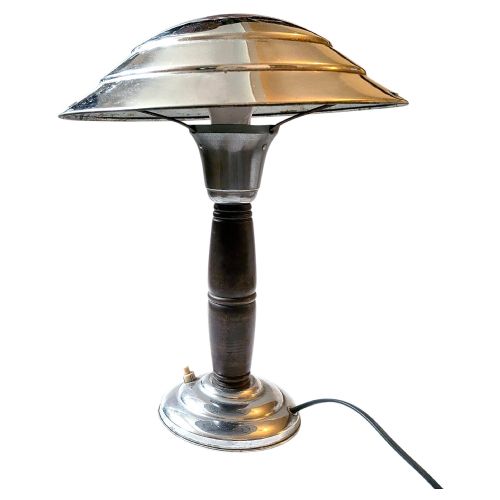
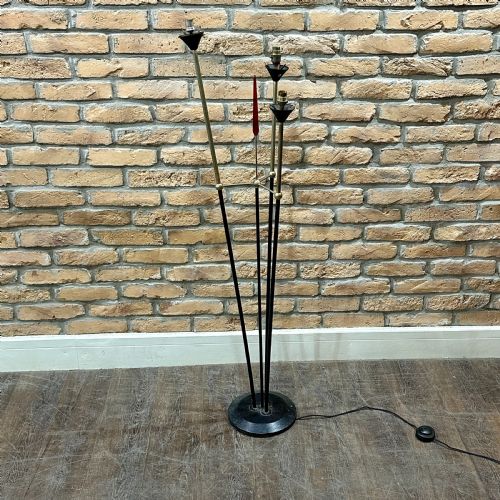
The versions you are most likely to meet on this page take the form of desk lamps, table lamps, and floor lamps originating from the Art Deco period. Many incorporate dual shades or architectural upright structures designed to direct light with precision.
Originating from France and England, these lamps reflect a broader European shift towards industrial efficiency and machine-age styling. They bridge the gap between practical home utility and sculptural art.
How they were made
Metalworking techniques focused on polished chrome, nickel, and brass plating applied over iron or steel frameworks. Wood veneers such as walnut and rosewood occasionally appear on composite bases to add warmth to the metallic structures.
Antique Modernist Lamp Retail Price Guide 2026
Typical asking prices for modernist lamp among the pieces listed under this phrase on Sellingantiques today, from the lower quarter to the upper quarter. They describe what is for sale here now, not the wider market.
Listings feature items exclusively from the 1920 and 1930 periods, executed in metal, Bakelite, chrome, and wood veneer.
What varies in quality
The distinction between standard utility lighting and superior modernist design lies in the purity of the geometric composition and the integrity of the materials. Heavier gauge metals and genuine moulded Bakelite indicate a higher grade of production than thin stamped sheet metal.
Subtlety of proportion and the clever integration of switches or double shades separate masterworks from mass-produced commercial items. The retention of original patination on chrome and brass components also dictates desirability among purists.
Eileen Grey
The Antique Modernist Lamp Glossary
- Bakelite
- An early form of synthetic phenol-formaldehyde resin that allowed for precise moulding into smooth, durable electrical components and lamp bases. It resists heat and holds a deep, dark polish.
- Chrome plating
- An electrolytic deposition of a thin layer of chromium upon a metal surface to provide a shiny, corrosion-resistant finish. It defines the bright, metallic sheen of Machine Age lighting.
- Machine Age
- An early twentieth-century design era influenced by the aesthetics of industrial machinery, mass production, and speed. It prioritises unadorned function and metallic surfaces.
- Uplighter
- A type of lamp designed to cast illumination upwards towards the ceiling rather than directly downwards. This creates ambient room light through indirect reflection.
Antique Modernist Lamp: Frequently Asked Questions
What defines a modernist lamp?
A modernist lamp relies on geometric simplicity, exposed metallic finishes, and functional utility rather than applied historical ornament. These designs reflect the industrial progress of the 1920s and 1930s.
Such pieces often feature adjustable elements, clean cylindrical or spherical shades, and materials like chrome and Bakelite that express the technology of their era.
How do I care for Bakelite?
Bakelite requires gentle cleaning with a soft, damp cloth and mild soap to preserve its surface integrity. Avoid harsh chemical solvents that can strip the original finish.
Store these lamps away from direct, prolonged sunlight to prevent surface fading and brittleness in the synthetic material.
How do I date a 1930s lamp?
Dating relies on identifying signature materials like early plastics, specific metal plating techniques, and the presence of stylistic markers associated with Art Deco design. Patents, maker stamps, or known designer attributions also help narrow the timeline.
Construction methods, such as the use of heavy cast iron weights inside spun metal bases, provide further clues to manufacturing era.