



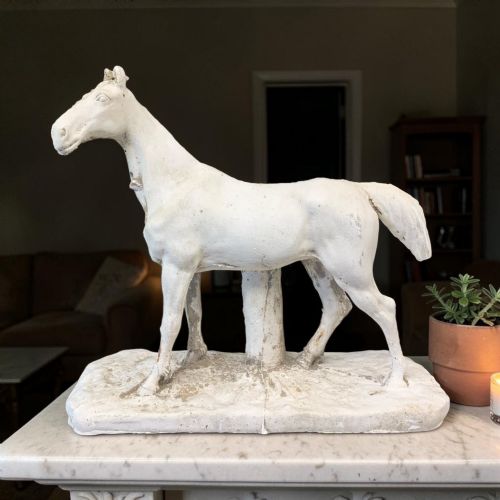


Antique Model Horse Sculpture
These antique model horse sculpture pieces capture equine form across bronze, wood and leather, rewarding collectors with enduring craftsmanship.
Antique Model Horse Sculpture
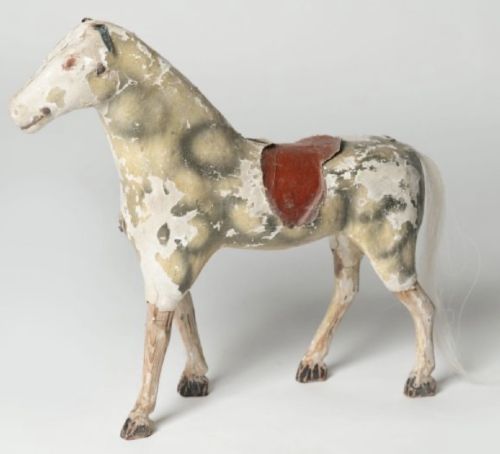
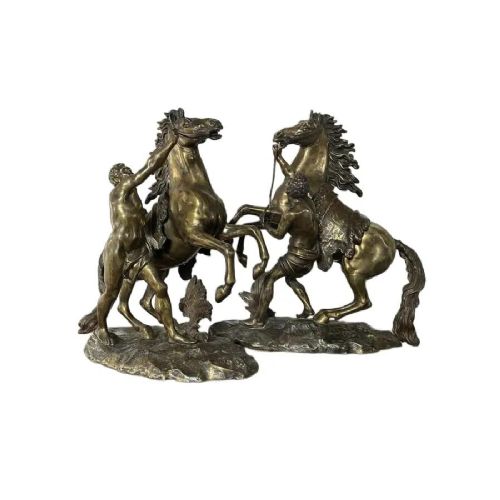
When you search for an antique model horse sculpture, you encounter a diverse range of figures spanning folk art carvings to grand bronze castings. These pieces appear in forms such as decorative statues, pull-along toys, rocking horses and studio artist models.
The selection on this page draws from multiple eras, including nineteenth-century works, Edwardian pieces and early twentieth-century creations. Stylistic influences vary widely, encompassing Victorian realism, Viennese animalier bronzes, Arts and Crafts leatherwork and traditional folk carvings.
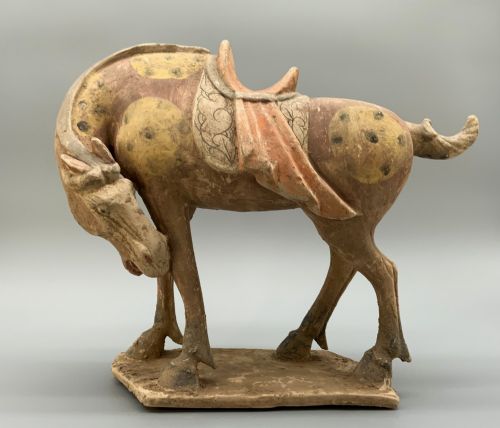
Origin points are equally broad, stretching from European workshops in Austria, Italy and Germany to Japanese Meiji and Taisho periods, alongside Chinese Tang dynasty pottery and Mongolian carved wood. Buyers most frequently meet naive painted wooden figures and European bronze casts among these listings.
Materials and construction methods
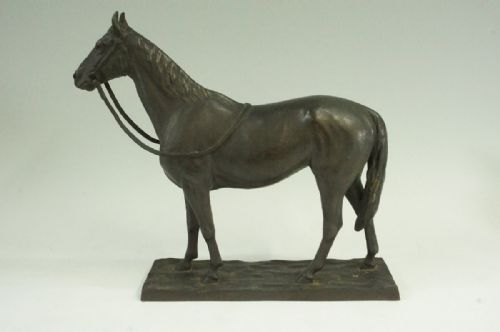
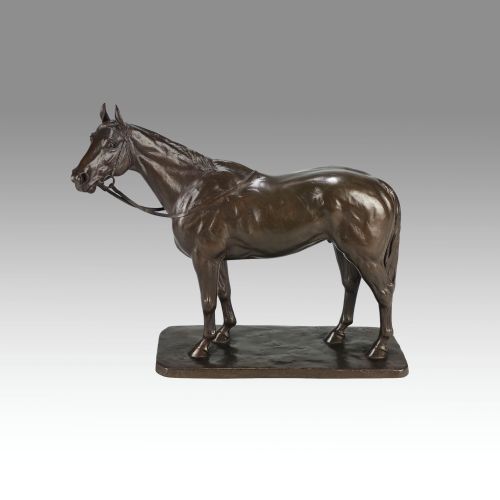
Metal sculptures rely on bronze, silver and studio plaster, often utilising casting techniques that capture fine musculature and harness details. Viennese pieces frequently employ cold painting over bronze, whilst monumental statues incorporate marble bases.
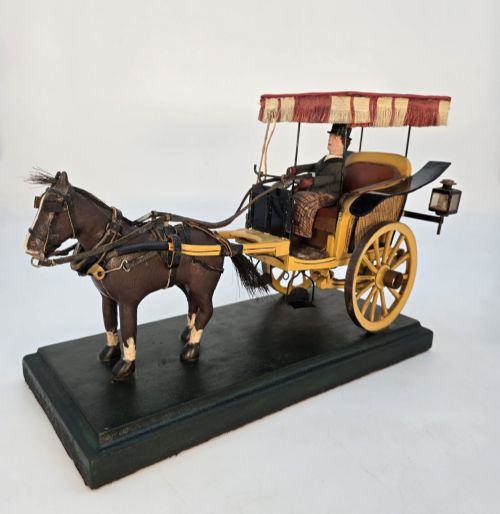
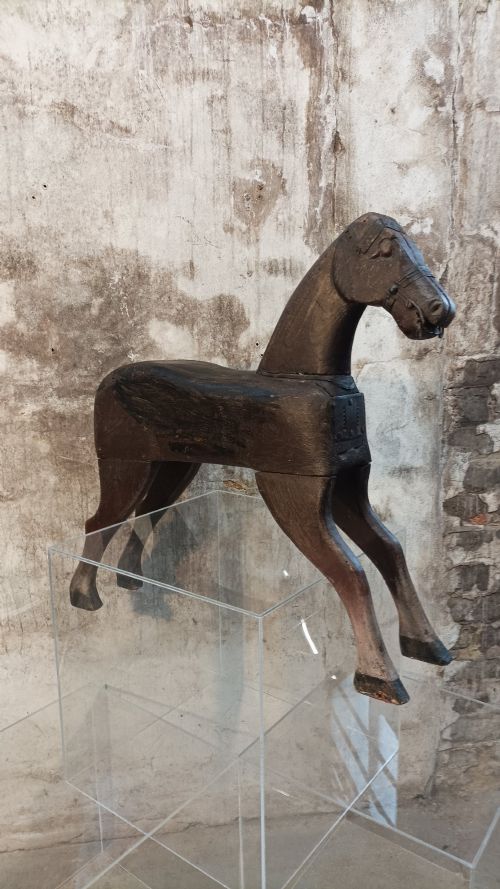
Wooden examples demonstrate hand-carving traditions, from naive folk art toys and rocking horses to detailed Mongolian pack animals and Russian troikas. Artisans shape these from hardwoods and pine, applying surface paint or leaving the natural grain exposed.
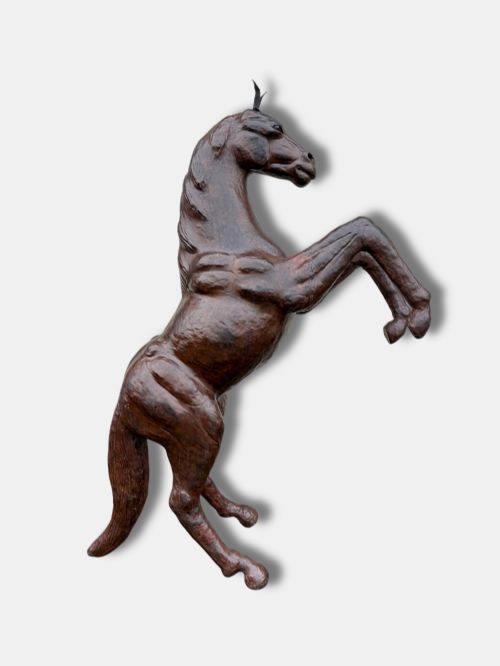
Leather models utilise stretched hides shaped over structural armatures, seen in life-size Arts and Crafts creations and large stamped specimens. Additional touches occasionally integrate horsehair and fabric elements to complete the presentation.
Antique Model Horse Sculpture Retail Price Guide 2026
Typical asking prices for model horse sculpture among the pieces listed under this phrase on Sellingantiques today, from the lower quarter to the upper quarter. They describe what is for sale here now, not the wider market.
The listings span periods from pre-sixteenth century Chinese pottery up to twentieth-century studio plaster casts.
Assessing quality and execution
Anatomical proportion and fluidity of movement set the finer bronzes apart from standard decorative castings. Master modellers render muscle tension, skeletal structure and facial expression with precise naturalism, whereas lesser works appear stiff and generalised.
Surface finish dictates the desirability of painted and patinated examples. Original cold painting, undisturbed bronze patination and authentic folk art pigment show genuine age and careful application, while unsympathetic overpainting obscures underlying detail.
The fidelity of surface detail in carved wooden and leather pieces marks the distinction between workshop output and mass production. Scratch-built models and signed studio pieces reveal meticulous hand-tooling that elevates the character of the animal.
Kunio Itô·Luigi Secchi·Pierre Lenordez·Franz Bergman
The Antique Model Horse Sculpture Glossary
- Animalier
- A nineteenth-century artistic movement dedicated to the realistic depiction of animals, particularly horses and hounds. Sculptors in this tradition focused on dynamic movement and accurate anatomy.
- Cold painted bronze
- A method where bronze figures receive paint applications without subsequent kiln firing. This technique was popular in Austrian workshops during the late nineteenth and early twentieth centuries.
- Meiji
- A period in Japanese history spanning from eighteen sixty-eight to nineteen twelve, marked by industrialisation and exceptional metalwork exports. Bronzes from this era often display remarkable surface patination.
- Bogorodskoe carving
- A traditional Russian style of unpainted wooden toy carving originating from the village of Bogorodskoe. These carvings frequently feature kinetic elements activated by simple levers.
- Troika
- A traditional Russian sleigh or vehicle pulled by three horses abreast. In carved form, it captures the animals in rapid motion across snow-covered terrain.
Antique Model Horse Sculpture: Frequently Asked Questions
How do I care for antique bronze horses?
Keep bronze sculptures in stable indoor environments away from direct sunlight and excessive moisture. Dust them gently with a soft, dry cloth without applying commercial polishes or cleaning agents.
Preserving the original patination is vital for maintaining the character of the metal. Avoid rubbing the surface aggressively, as this strips away historical wear and subtle coloration.
What defines folk art wooden horses?
Folk art wooden horses are naive, handcrafted pieces made by vernacular makers rather than industrial factories. They often display charming asymmetries, hand-applied paint and simple construction methods like pegging or basic jointing.
These figures served as children's toys, pull-alongs, rocking horses or purely decorative ornaments. Their appeal lies in their unpretentious charm and direct expression of rural craftsmanship.
Are leather model horses sturdy?
Life-size and large leather model horses utilise internal armatures to support the stretched hide cover. They possess structural integrity but require careful handling to prevent punctures or scuffs to the leather surface.
Position them away from heat sources and direct sunlight to prevent the leather from drying out or cracking over time. Occasional light dusting maintains their exterior condition.
How do I identify Viennese bronzes?
Viennese bronzes typically feature distinct cold-painted polychrome surfaces applied over cast metal figures. They often depict animals in naturalistic or whimsical poses and frequently bear small maker marks or stamps on the underside.
The paint finish is delicate and sits on top of the metal rather than being heat-fused. Examine the tones and brushwork under magnification to check for original application.