
Antique Mirrored Vanity
An antique mirrored vanity brings a reflective surface and fitted storage to the bedroom, grounding the space with period woodwork.
Antique Mirrored Vanity
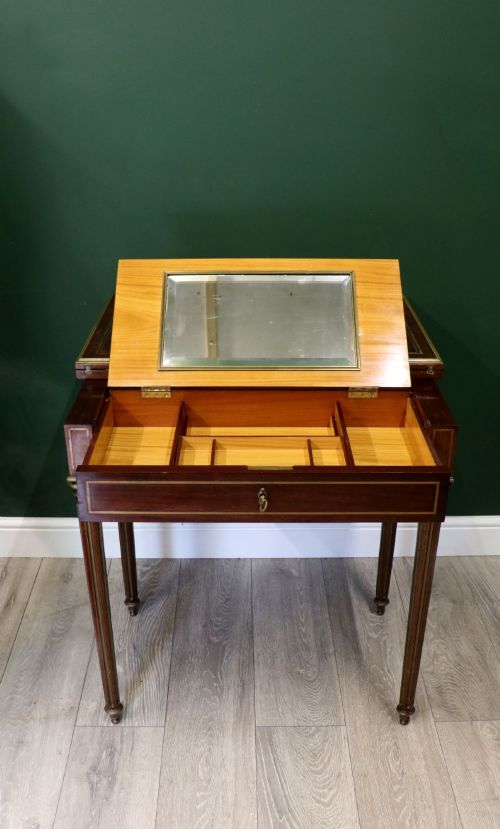
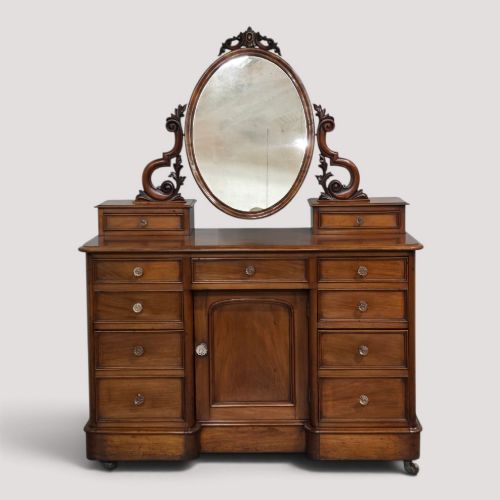
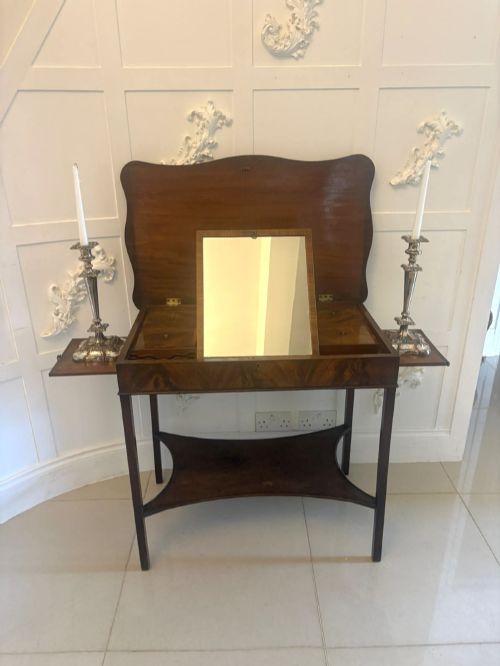
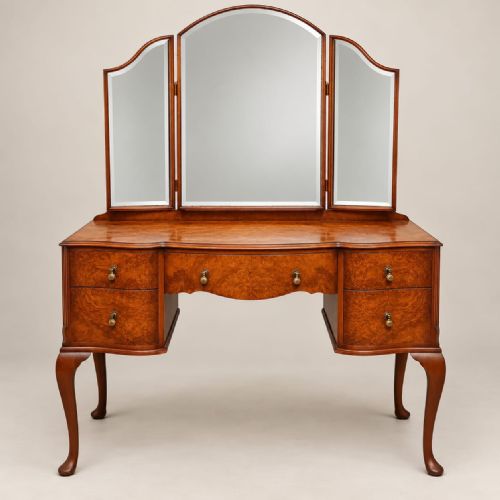
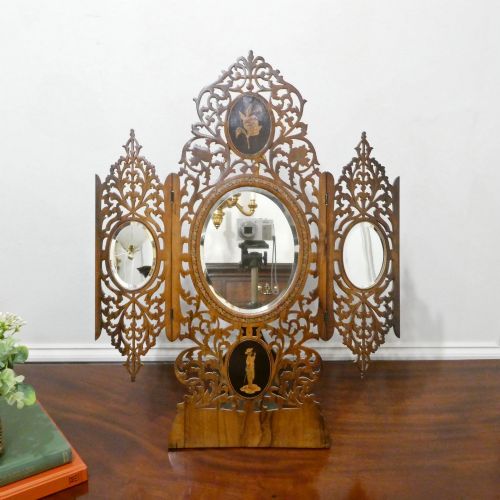
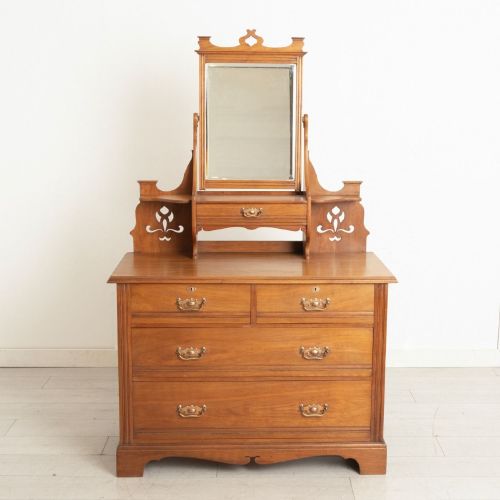
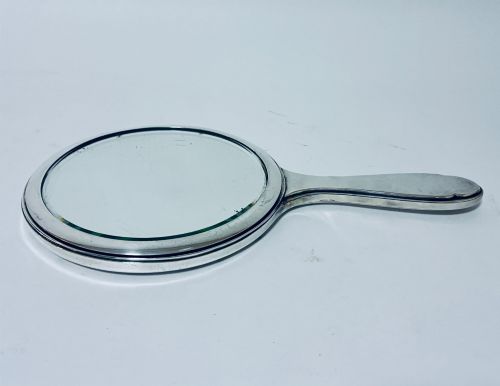
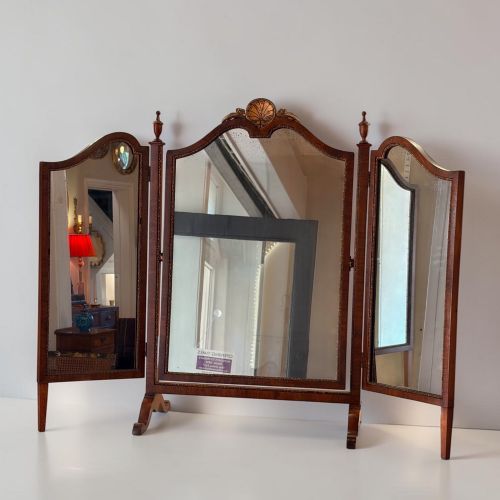
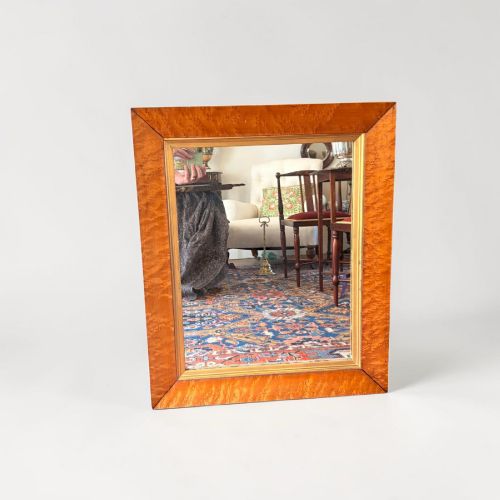
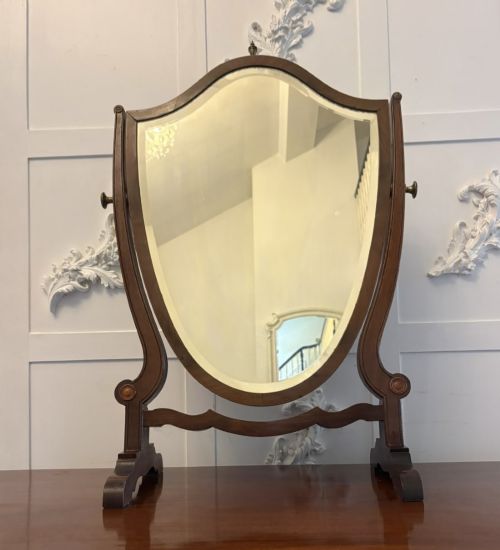
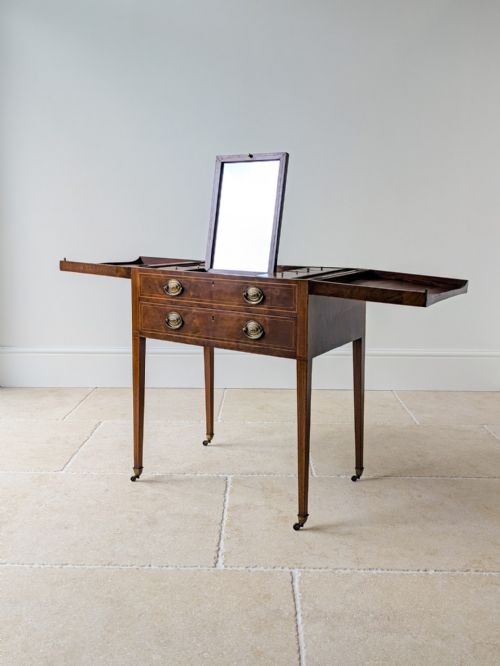
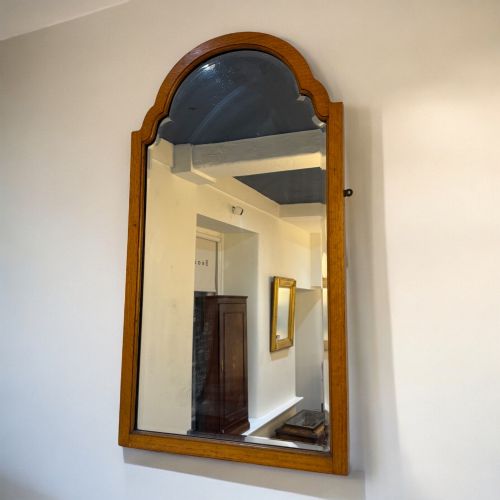
An antique mirrored vanity encompasses dressing tables, toilet mirrors, and swing mirrors spanning the Georgian, Victorian, and Edwardian periods. Buyers encounter compact table-top swing glasses alongside full pedestal dressing tables fitted with adjustable mirrors.
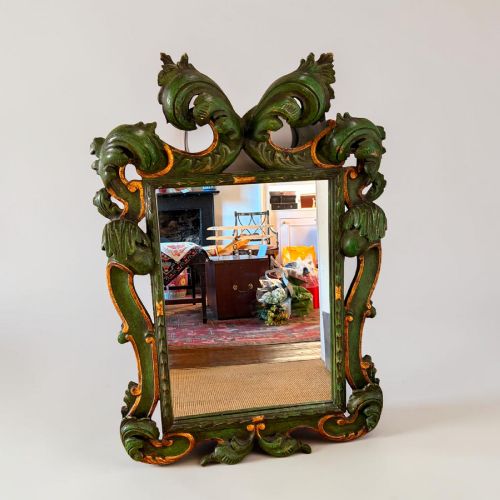
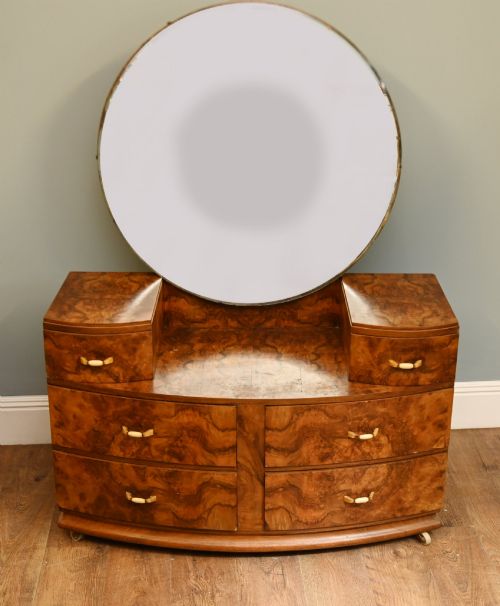
The pieces on this page originate from English country houses and continental workshops, ranging from small mahogany toilet glasses to large walnut triple-mirror dressing sets. Smaller table models sit atop chests or desks, while larger freestanding units incorporate drawers for personal items.
Materials and construction
Cabinetmakers constructed these pieces primarily in solid mahogany, walnut, and oak, frequently applying figured veneers or burr walnut to prominent drawer fronts and mirror frames. Secondary timbers such as pine or oak appear inside drawer boxes and carcass backs.
Mirrors utilise silvered glass secured within pivoting wooden or cast metal frames, often supported by shaped uprights and brass pivots. Joinery relies on hand-cut dovetails for drawers and tenon joints for frames, finished with French polish or wax.
Periods represented span from the seventeenth century through Georgian, Victorian, Edwardian, and Art Deco eras.
Assessing craftsmanship
Quality rests in the selection of timber figures, such as matched burr walnut or Cuban mahogany, and the crispness of hand-carved details on frames and supports. Superior examples retain their original mirror glass, mercury silvering, and heavy brass hardware.
Structural integrity differentiates standard production from finer workshop output, evident in the snug fit of dovetailed drawer linings and the smooth operation of swing mirror pivots. Maker signatures or stamps elevate a piece, as seen in labeled London or continental examples.
Maples of London and Paris·Heal and Sons·WMF
The Antique Mirrored Vanity Glossary
- Swing mirror
- A glass mounted on vertical pivots within a frame, allowing the user to tilt the angle. These units appear both as independent table pieces and fixed to dressing tables.
- Toilet mirror
- A smaller table-top mirror designed for personal grooming, typically sitting on a miniature chest base containing small drawers. They gained popularity during the Georgian period.
- Cheval mirror
- A full-length, freestanding mirror suspended on a floor-standing frame with four legs or trestle supports. The glass rotates fully within the vertical structure.
- Burr walnut
- Timber sliced from the irregular growths of walnut trees, yielding intricate, swirling grain patterns. Cabinetmakers used these veneers on high-status Victorian and Edwardian furniture.
Antique Mirrored Vanity: Frequently Asked Questions
How do I date a dressing mirror?
Dating relies on timber selection, construction methods, and the bevel or thickness of the mirror glass.
Georgian pieces show hand-cut dovetails and simpler frames, while Victorian and Edwardian examples often feature heavier burr veneers and cast brass fittings.
Can I replace the mirror glass?
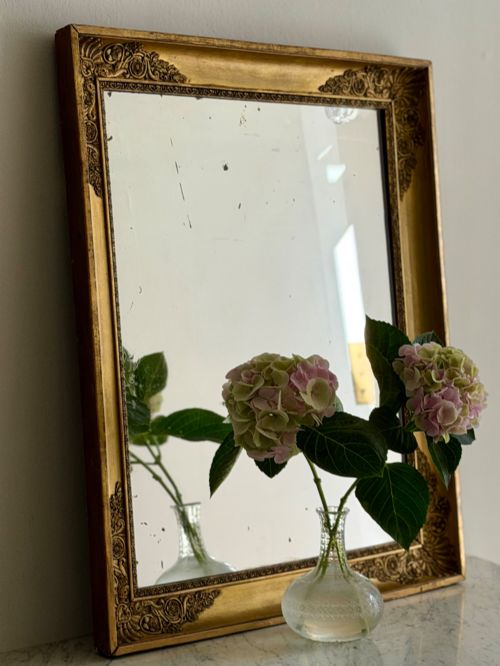
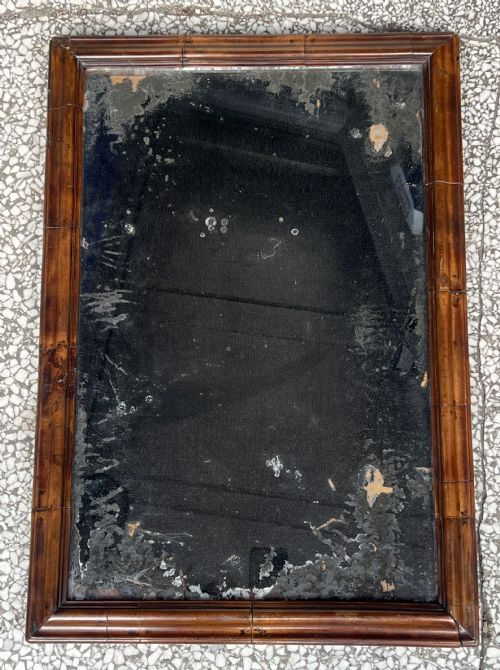
Original glass often displays foxing and age spots, which collectors value as proof of authenticity.
Replacement is possible if the glass is broken, though retaining the original plate preserves the historic character of the piece.
Where should I place a vanity?
These pieces suit bedrooms, dressing rooms, or hallways as functional furniture and decorative focal points.
Table models require a stable surface like a chest of drawers, while freestanding tables need adequate floor space away from direct moisture.