


Antique Mirrored Display Shelf
An antique mirrored display shelf brings reflected light and layered display space to a room, drawing the eye to small treasures hung on the wall or set upon a cabinet.

Antique Mirrored Display Shelf
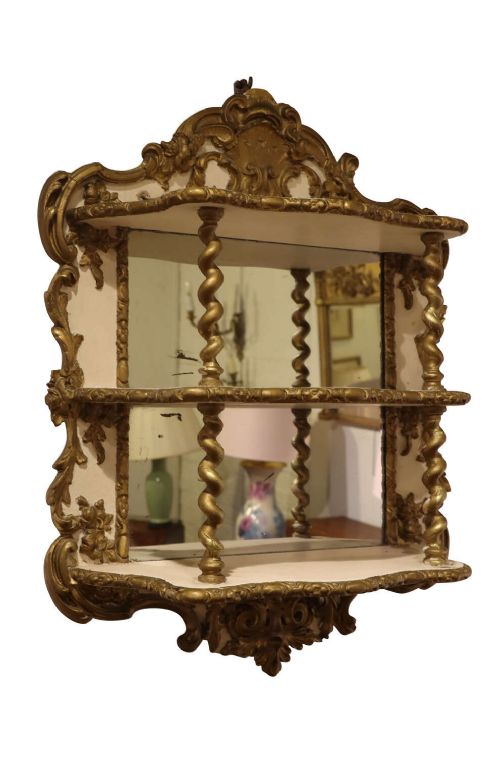
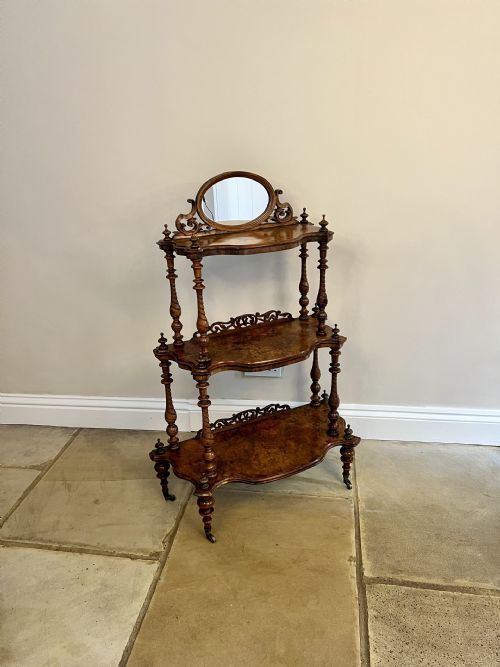
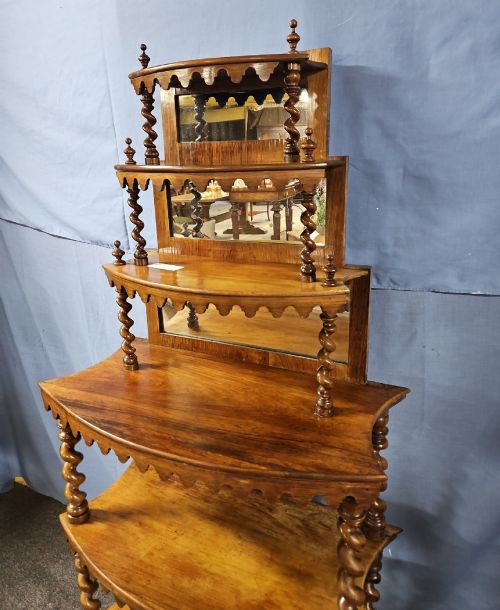
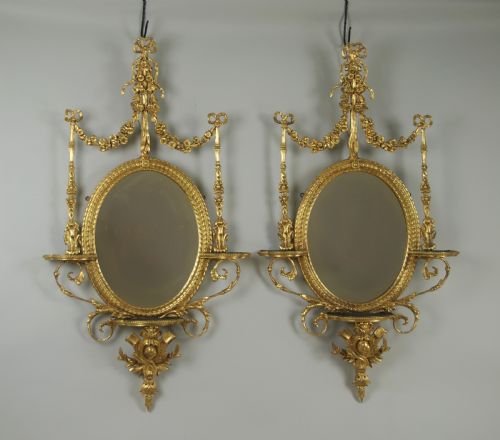
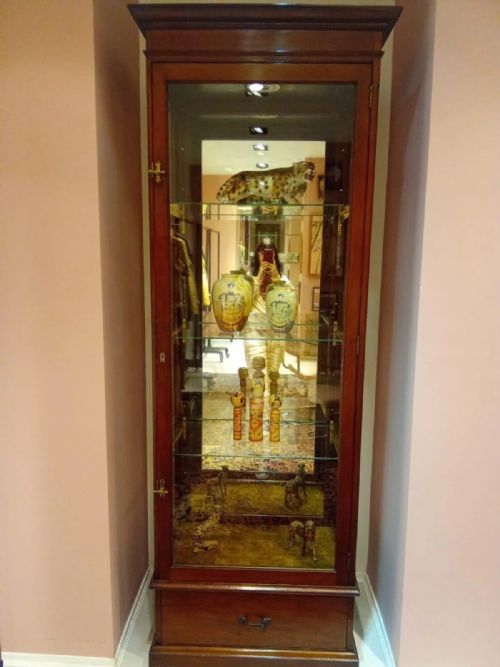
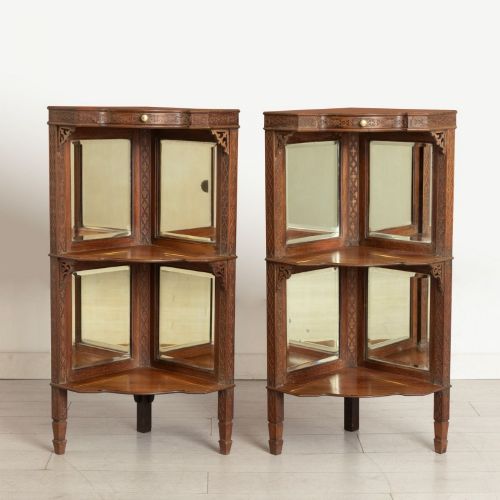
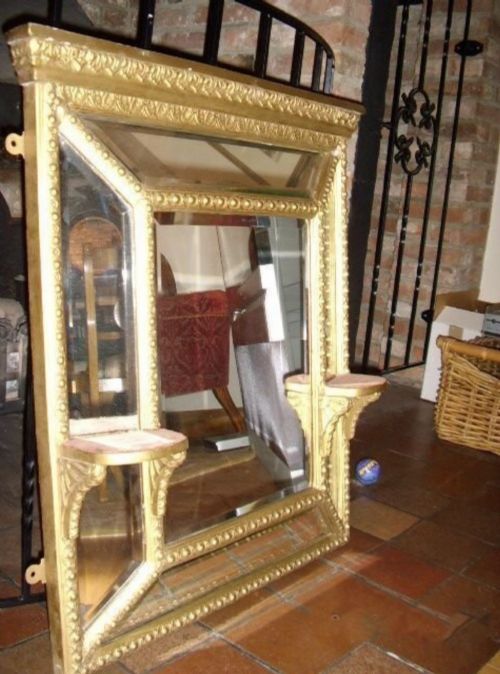
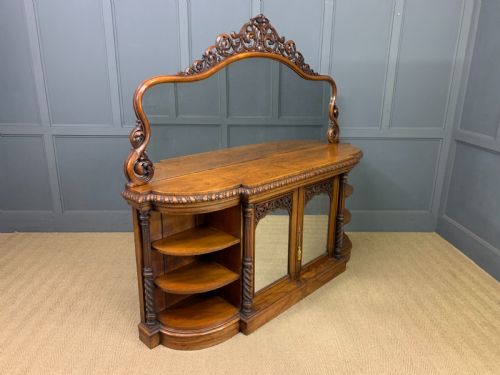
An antique mirrored display shelf combines a reflective back plate with tiered wooden brackets or ledges to hold small decorative objects. These items appear across the nineteenth century and into the Edwardian era, taking forms such as wall-hung brackets, overmantel mirrors fitted with ledges, and multi-tiered whatnots.
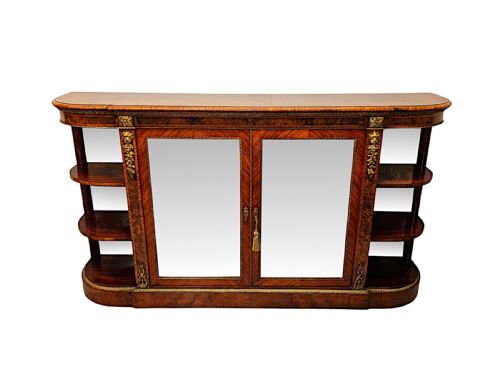
The Victorian period yields many burr walnut and rosewood examples incorporating open shelves and mirrored backs. Edwardian pieces tend towards lighter timbers like mahogany and painted finishes, while Regency and earlier designs rely on gilt gesso and rosewood.
Materials and Construction
Cabinet makers utilised dense hardwoods such as mahogany, walnut, and rosewood, frequently applying burr walnut veneers to display surfaces for rich figuring. Gilt wood and gesso frames provided ornate architectural borders for the glass plates.
Makers integrated bevel-cut mirror glass into the back panels to bounce light across the room and illuminate the objects placed on the projecting shelves and brackets.
Judging Quality
Quality rests upon the selection of timber veneers, such as richly figured burr walnut or rosewood, and the crispness of any marquetry inlay or ormolu mounts. Finer pieces demonstrate precise joinery on the shelf brackets and substantial silvering on the original mirror plates.
Ornate carving in gilt wood and gesso distinguishes grander overmantel mirrors and wall brackets from simpler utilitarian shop display cases and straightforward domestic wall shelves.
Gillows·Edwards & Roberts·John Stow Ltd
The Antique Mirrored Display Shelf Glossary
- Whatnot
- A multi-tiered piece of freestanding or wall-hung furniture designed for displaying ornaments. These typically feature three to six open shelves supported by turned or barley twist columns.
- Credenza
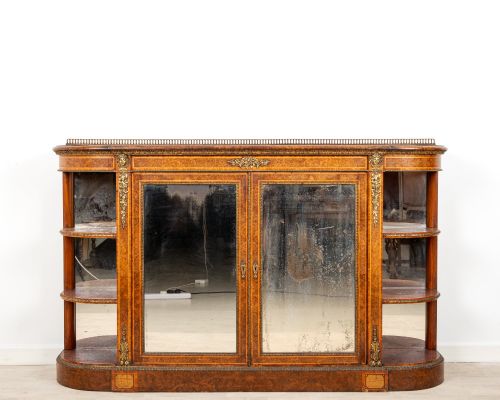
- A low cabinet, often fitted with glass or mirrored doors and ormolu mounts. Originating as a sideboard, nineteenth-century examples frequently incorporated display surfaces.
- Chiffonier
- A compact sideboard or cabinet equipped with a raised mirror back or shelf superstructure. They serve to store dining accessories while providing a surface for ornaments.
- Ormolu
- Gilded bronze mounts applied as decorative ornamentation to furniture surfaces. Makers cast and chased these metal fittings to accent walnut and rosewood cabinetry.
Antique Mirrored Display Shelf: Frequently Asked Questions
How do I hang a heavy mirrored shelf safely?
Wall-hung timber shelves require sturdy fixings screwed directly into structural wall studs or masonry plugs. The combined weight of hardwood, mirror glass, and displayed items places significant strain on the upper brackets.
Employing professional picture-hanging wire rated above the object's weight ensures secure mounting. Distributing the load evenly across dual hanging points prevents twisting of the antique frame over time.
What is the difference between a whatnot and an overmantel mirror?
A whatnot is a dedicated shelving unit featuring multiple open tiers for displaying ornaments. These stand on the floor or mount to a wall as standalone display furniture.
An overmantel mirror is specifically designed to sit above a fireplace mantel, occasionally incorporating small display ledges or brackets on its frame for decorative ceramics.
How should I clean the antique mirror glass?
Original mirror glass requires gentle cleaning with a soft microfibre cloth and a neutral glass cleaner applied to the cloth rather than directly to the glass. This prevents moisture seeping behind the silvering.
Avoid abrasive pads and harsh chemical sprays that can damage the surrounding timber, gilt gesso, or vulnerable historic mirror backing.
Can these shelves support heavy porcelain?
Most antique display shelves and wall brackets are constructed for lightweight ceramics, glass ornaments, and small books. The timber ledges and small fixing joints suit delicate decorative items.
Placing heavy bronze sculptures or dense stone objects on older brackets risks straining the original joints and wooden supports.