



Antique Mirror C 1860
An antique mirror c 1860 brings mid-Victorian craftsmanship into a room, offering both practical reflection and rich period character.
Antique Mirror C 1860
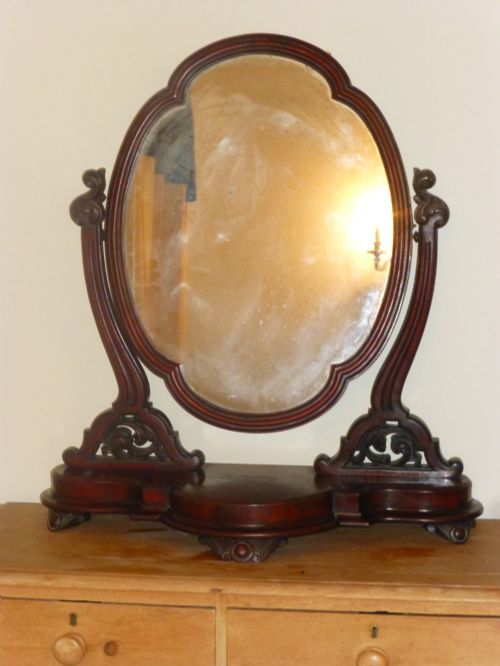
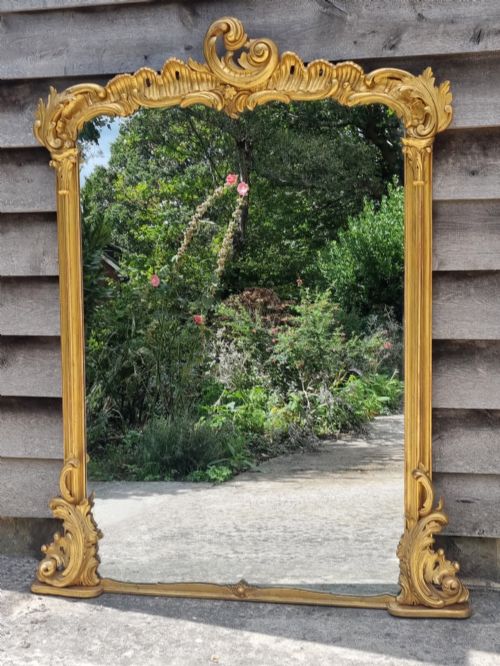
An antique mirror c 1860 spans various domestic forms from the Victorian era, including wall mirrors, girandoles, and cheval mirrors. These pieces date from the nineteenth century and reflect the design priorities of the period.
Makers of the period produced both compact miniature dressing mirrors and large console or overmantel looking glasses. Each piece serves a specific interior function while displaying characteristic Victorian proportions.
How they were made
Cabinetmakers constructed frames using solid timbers like mahogany and walnut, often figuring the grain for visual depth. Structural elements relied on traditional joinery suited to daily use in nineteenth-century homes.
Giltwood and gesso surfaces received intricate hand-carved detailing, sometimes incorporating ormolu or brass mounts. Artisans applied gold leaf over prepared grounds to achieve the bright reflective frames seen in Rococo Revival examples.
Antique Mirror C 1860 Retail Price Guide 2026
Typical asking prices for mirror c 1860 among the pieces listed under this phrase on Sellingantiques today, from the lower quarter to the upper quarter. They describe what is for sale here now, not the wider market.
Materials across these listings include brass, mahogany, giltwood, gesso, walnut, ormolu, and gilt bronze.
What varies in quality
The depth and crispness of the hand-carved detail in the giltwood or timber frames distinguish finer examples from simpler workshop output. Superior pieces show precise execution in scrollwork and moulded elements.
The quality of the mercury or silvered glass plate and the retention of original brass hardware or candle branches affect the overall integrity of the piece. Substantial furniture pieces integrate the mirror frame seamlessly with the supporting structure.
The Antique Mirror C 1860 Glossary
- Cheval mirror
- A freestanding full-length mirror suspended on a vertical frame that tilts on pivots. This form allows the user to adjust the angle of reflection.
- Giltwood
- Timber that has been coated with gold leaf or gold paint for decorative effect. It defines many formal nineteenth-century wall mirrors.
- Girandole
- A decorative wall mirror featuring attached candle branches or sconces. The candle arms multiply the light within the room.
- Ormolu
- Gilded bronze used for decorative mounts and hardware on furniture and mirrors. It provides metallic contrast against dark woods and gilt surfaces.
- Pier glass
- A tall mirror designed specifically to hang on the wall between windows. It often sits above a matching pier console table.
Antique Mirror C 1860: Frequently Asked Questions
Where should I place a cheval mirror?
A cheval mirror functions best in a bedroom or dressing room where its full-length adjustable glass is practically useful. Placing it near a natural light source helps to brighten the surrounding space.
Because these freestanding pieces require floor clearance, ensure the barley twist supports or side pedestals have adequate room to tilt without obstruction.
How do I identify a Victorian mirror?
Victorian mirrors often feature characteristic styles such as Rococo Revival scrollwork or heavy timber frames in mahogany and walnut. Examining the construction methods and backboards helps confirm the nineteenth-century date.
Many examples incorporate gesso and giltwood finishes that align with the aesthetic preferences of the mid-nineteenth century.
Are dressing table mirrors stable?
Dressing table mirrors are built to sit securely on top of chests or bureau fitments, using side pivots to tilt the glass. Their stability depends on the balanced weight of the base and the secure mounting of the upright supports.
Smaller table models provide adjustable reflection for grooming while remaining portable enough to move between surfaces.