



Antique Miniature Seating
Antique miniature seating brings domestic history into focus through scaled-down chairs, armchairs, and rocking chairs crafted for children, apprentices, or dolls.
Antique Miniature Seating
When you search for antique miniature seating, you encounter small-scale furnishings produced across the eighteenth, nineteenth, and early twentieth centuries. These encompass child's chairs, apprentice pieces, and doll's house furniture designed with the same structural integrity as full-sized examples.
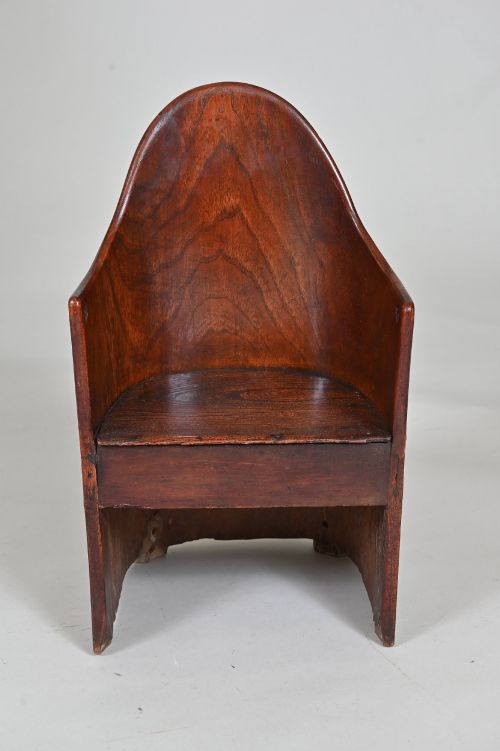
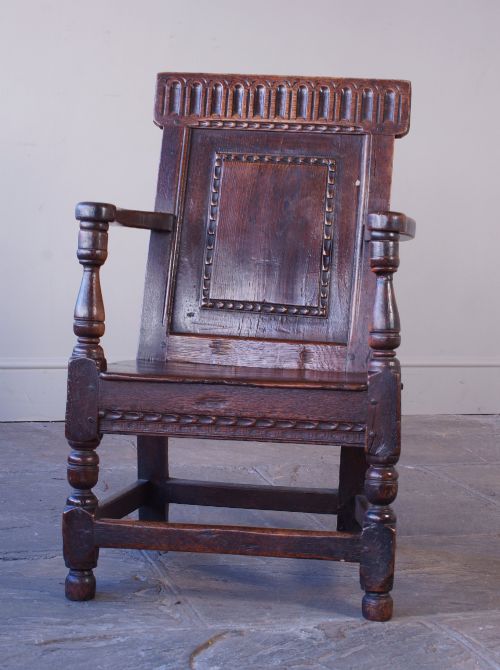
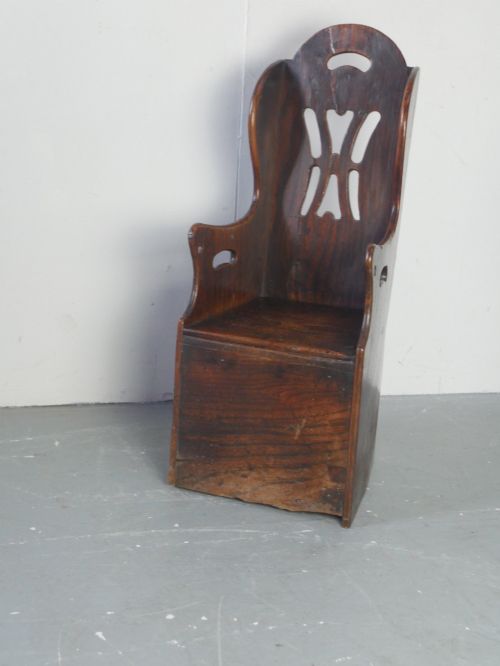
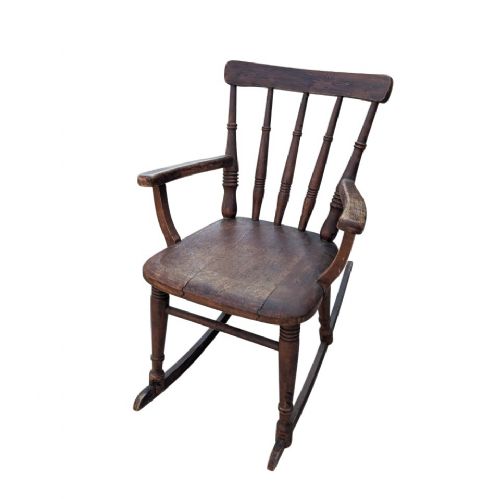
The most common pieces on this page are child's chairs and rocking chairs originating from the Georgian and Victorian periods. You will frequently find vernacular Windsor forms alongside refined mahogany, rosewood, and walnut salon chairs.
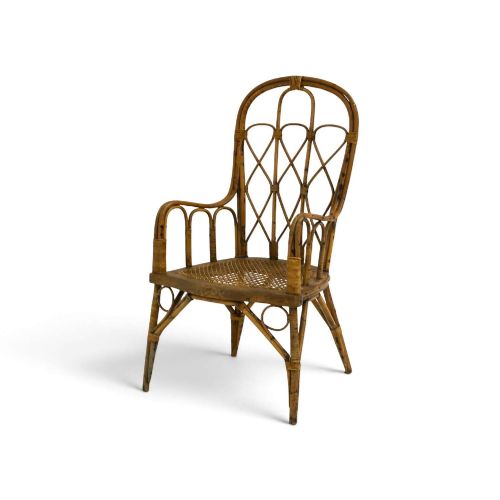
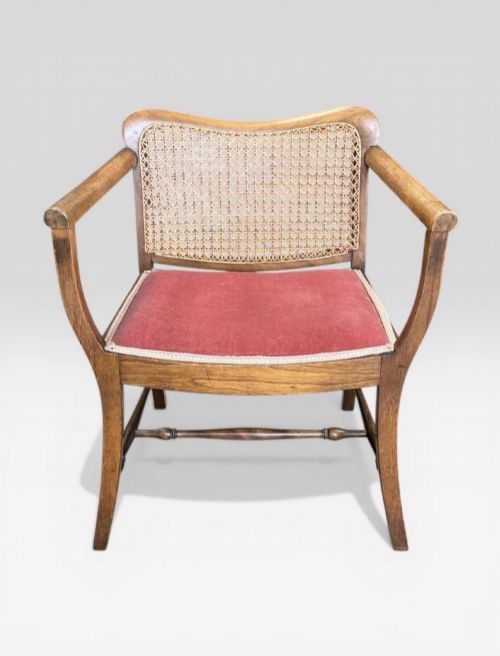
Makers also produced specialised seating such as miniature chaise longues, window seats, and bergere chairs with cane seats and backs. These items reflect the domestic furniture styles of their respective eras, scaled down for actual use by children or created as cabinetmaker's display pieces.
Materials and construction
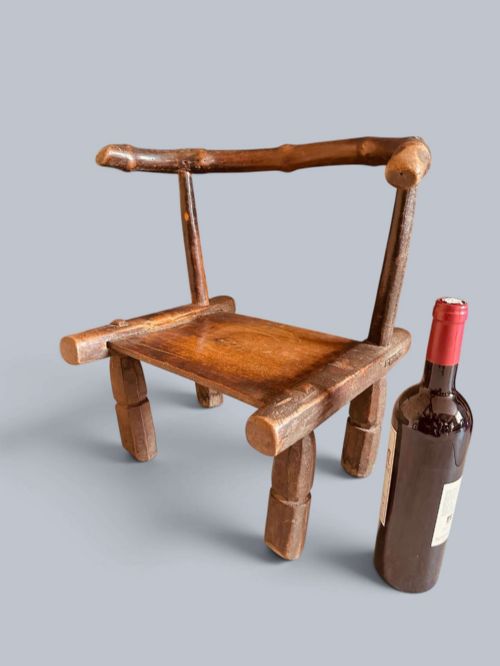
Cabinetmakers and vernacular woodworkers utilised native and imported timbers, pairing sturdy woods like elm, ash, and oak with decorative hardwoods such as mahogany, walnut, and rosewood. Regional makers often built stick-back and Windsor variants using mixed woods for seats and bent components.
Joining techniques mirror standard cabinetmaking, employing mortise and tenon joints, turned spindles, and steam-bent elements. Workshops incorporated upholstery, cane work, and leather panels, while others utilised brass details, gilt-bronze, and painted or ebonised finishes.
Antique Miniature Seating Retail Price Guide 2026
Typical asking prices for miniature seating among the pieces listed under this phrase on Sellingantiques today, from the lower quarter to the upper quarter. They describe what is for sale here now, not the wider market.
Current listings feature eighteenth and nineteenth century child's chairs constructed from elm, yew, mahogany, and ash.
Distinctions in quality
The standard of antique miniature seating depends on the fidelity of proportion and the quality of the timber selection. Superior examples maintain the correct architectural balance of full-sized furniture rather than appearing clumsy or overly thick in the arms and legs.
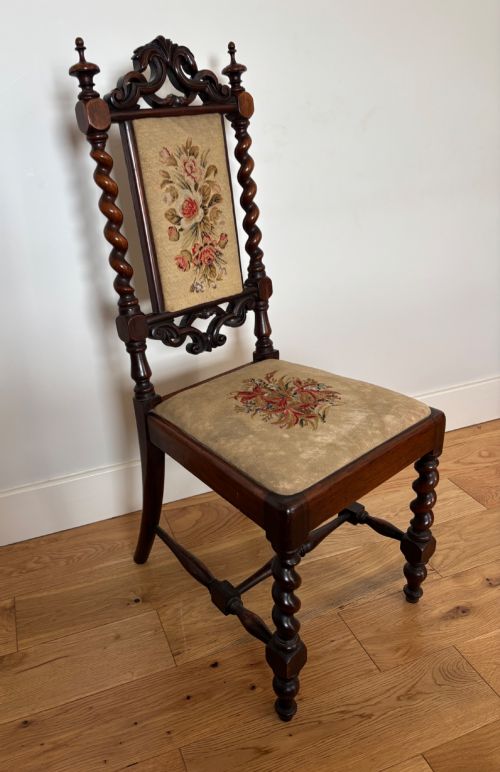
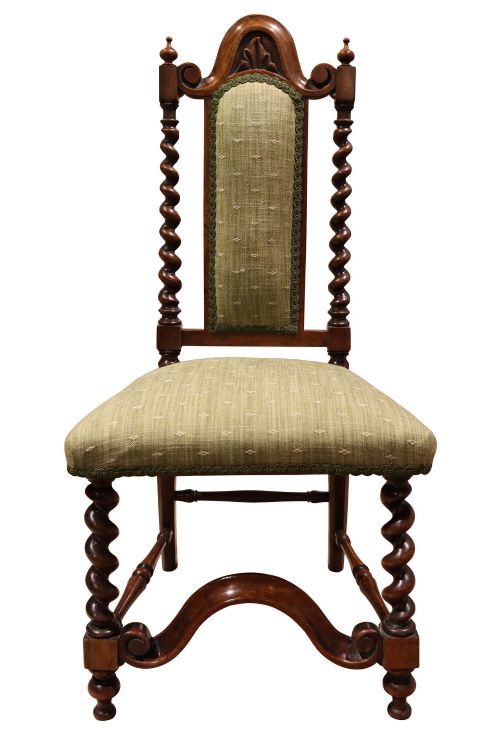
Execution of detail defines the upper tier, visible in crisply turned barley twist supports, finely woven cane work, and tightly fitted joinery. Pieces that retain their original surfaces, upholstery, and patination command greater interest than those heavily altered or stripped.
James Shoolbred
The Antique Miniature Seating Glossary
- Windsor chair
- A chair built with a solid wooden seat into which the legs and back spindles are inserted directly. These feature heavily in vernacular child's seating.
- Bergere
- An enclosed armchair with stuffed upholstery and cane panels set into the wooden frame. Miniature versions often replicate full-sized French and English drawing room models.
- Apprentice piece
- A small item of furniture created by a craftsman to demonstrate skill for guild membership or trade qualification. Window seats and miniature armchairs frequently served this purpose.
- Barley twist
- A turned wooden furniture leg or stretcher carved in a helical spiral resembling a twisted rope. This technique appears on walnut and oak Victorian child's chairs.
- Ebonised
- Wood stained or painted black to imitate expensive ebony. This finish is typical of Victorian Aesthetic period seating.
Antique Miniature Seating: Frequently Asked Questions
Were these small chairs made for children to use?
Many of these pieces were built specifically for young children to sit on during the Georgian and Victorian eras. Sturdier models in elm and ash handled everyday nursery use.
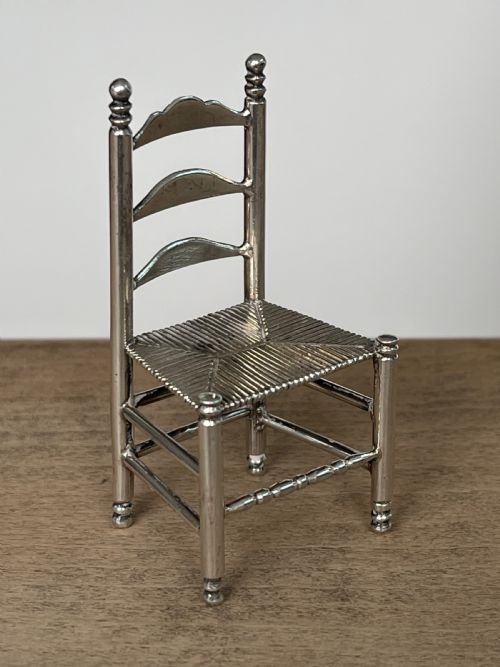
Other items, such as apprentice pieces or silver miniatures, were strictly decorative or intended for display rather than seating a child.
What is an apprentice piece?
An apprentice piece is a miniature item created by a tradesman in training to prove mastery of woodworking techniques. These display the exact joinery and decorative traits found in full-scale furniture.
Cabinetmakers submitted these objects for evaluation before gaining full admission to their trade guilds.
How do I date a child's Windsor chair?
Dating relies on timber choice, tool marks, and construction methods. Early examples from the late eighteenth century often use elm seats combined with ash or yew spindles.
Victorian iterations frequently introduce machine-turned components and standardised fixings while maintaining traditional hoop-back or stick-back forms.
Can I use these chairs in a modern home?
These pieces function well as decorative objects placed on tables, sideboards, or floors alongside other antiques. Sturdier wooden examples can support occasional light use if structural integrity permits.
Upholstered or caned items require gentle placement away from direct heat sources to preserve fragile historical materials.