
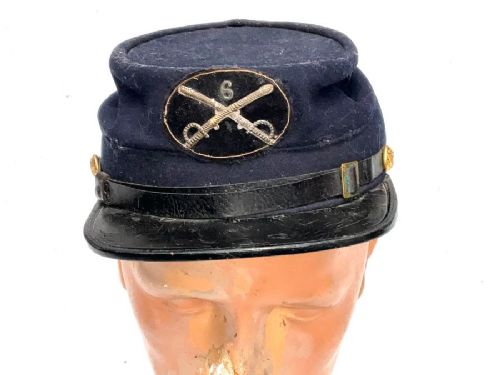
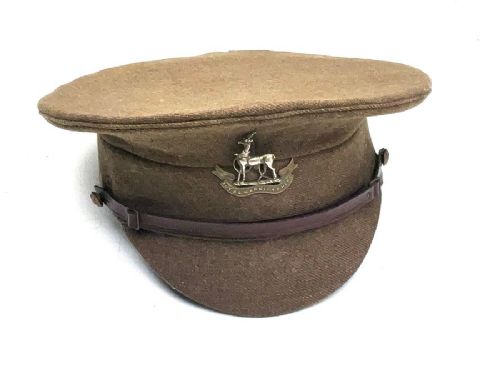





Antique Military Cap
An antique military cap holds the stories of regiments and campaigns through sturdy felt, wool, brass, and leather.
Antique Military Cap
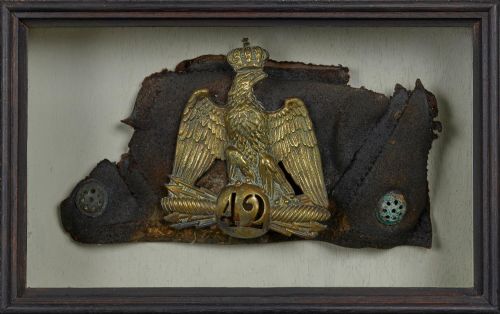
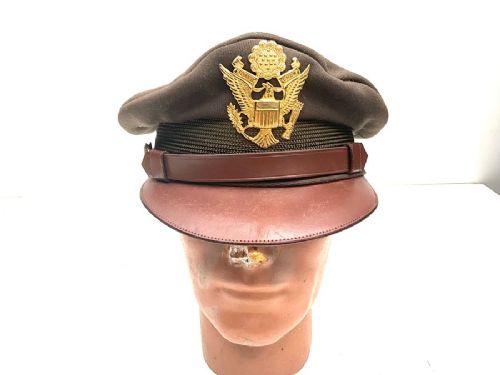
When you search for an antique military cap, you encounter headwear, helmets, shakos, and lance caps originating from nineteenth-century campaigns and twentieth-century conflicts.
The selections on this page span the Victorian era, the July Monarchy period, Imperial Germany, and the First World War, alongside related military headwear components.
You are most likely to meet wool and felt caps, steel helmets, and structured shakos bearing the distinct marks of British, French, and German military service.
How they were made
Maker workshops built these caps using durable wool and thick felt shaped over wooden blocks, reinforced with leather sweatbands and chin straps.
Metals such as brass and steel formed the helmets, plates, and fittings, while iron and wood contributed to structural elements and associated headwear forms.
Listings feature items spanning the nineteenth century through the 1930s, utilising brass, steel, wool, felt, and leather.
What varies in quality
The distinction between standard issue headwear and officer quality pieces lies in the fineness of the wool, the crispness of the brass stampings, and the survival of original leather linings.
Integrity of shape and the retention of authentic regimental insignia elevate certain examples above standard field specimens.
The Antique Military Cap Glossary
- Shako
- A tall, cylindrical military cap usually adorned with a visor and a cockade or badge. These headpieces were standard for infantry regiments during the nineteenth century.
- Lance Cap
- A traditional headwear form featuring a rigid square top, worn distinctively by lancer regiments. Officers often wore specialised versions for foul weather or full dress.
- Kepi
- A French-derived cap with a flat circular top and a stiff visor, widely utilised by various armies during the mid-nineteenth century.
- Cockade
- A knot of ribbons or other circular ornamentation worn on a hat to indicate rank, allegiance, or national origin.
- Militaria
- Reliques and artefacts collected for their connection to military history, encompassing uniforms, headwear, and accoutrements.
Antique Military Cap: Frequently Asked Questions
How do I identify the era of a military cap?
Examine the materials, cut, and any surviving regimental badges or stamps. Construction methods shifted noticeably between the mid-nineteenth century and the First World War.
Compare the specific shape of the visor and crown against documented uniform regulations from periods such as the Victorian era or Imperial Germany.
Were these caps worn in actual combat?
Many examples saw active service during nineteenth-century campaigns and twentieth-century conflicts, whilst others served primarily for parade and full dress occasions.
Signs of field wear often appear in the softening of leather sweatbands and minor oxidation on brass fittings.
What materials were commonly used in construction?
Manufacturers relied on heavy wool, dense felt, and stiffened leather to form the body of caps and shakos. Steel and brass provided protective elements for helmets and stiffened peaks.
Wood and iron frequently supported internal structures and manufacturing blocks.
How should I store historic wool and leather headwear?
Keep caps in a stable environment away from direct sunlight and excessive humidity to protect natural fibres and leather. Support the interior crown properly to prevent sagging.
Avoid enclosed plastic containers that trap moisture and instead allow breathable fabric covers.