



Antique Metalware Lighting
Antique metalware lighting brings heavy brass, cast iron and gilt bronze into a room, offering genuine period utility.
Antique Metalware Lighting
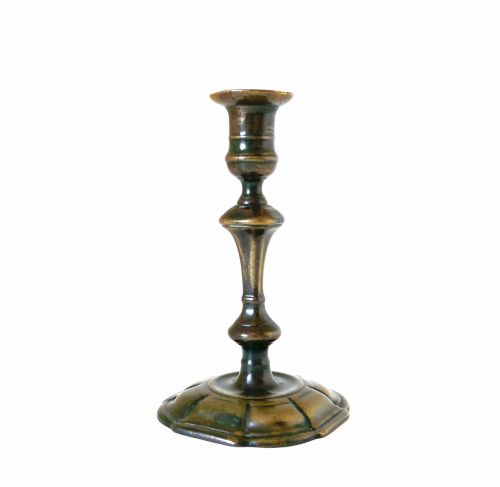
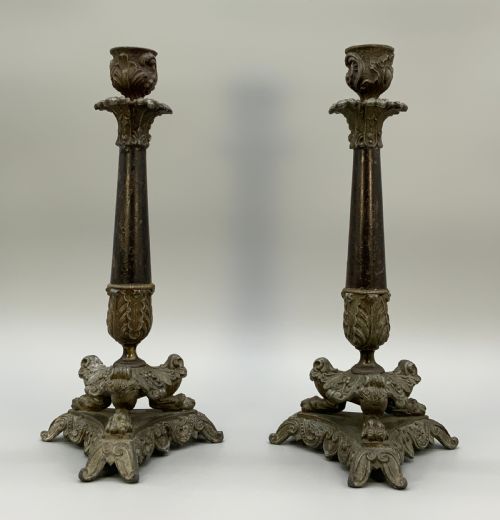
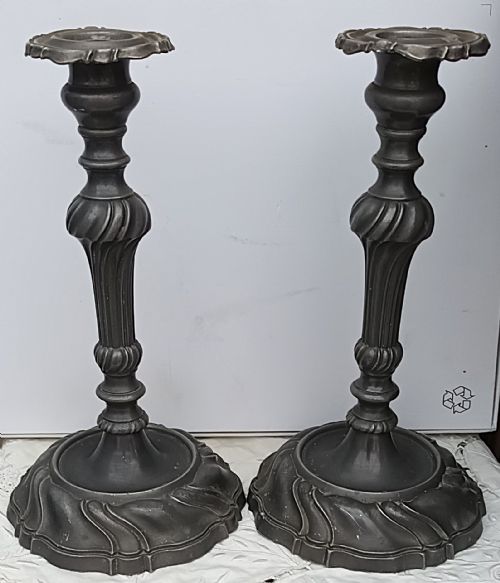
Antique metalware lighting covers candlesticks, chambersticks, rushlight holders and candelabra formed from brass, iron, pewter and bronze. These pieces span the seventeenth, eighteenth and nineteenth centuries, originating from English, French, Welsh, Scottish and Continental workshops.
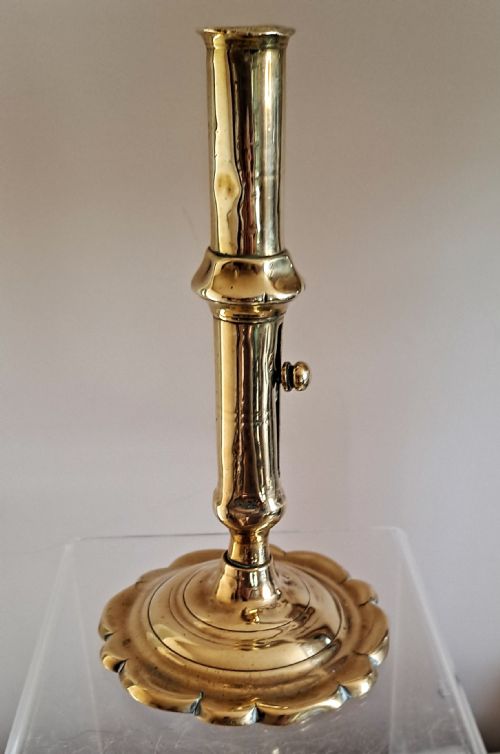
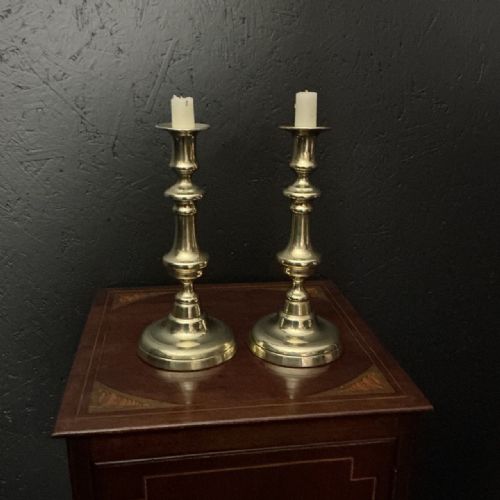
The most common examples encountered in antique metalware lighting are brass candlesticks from the eighteenth and nineteenth centuries, often featuring petal bases, ejector mechanisms or simple columnar stems. Alongside these, iron rushlights and chambersticks appear regularly from earlier vernacular traditions.
How they were made
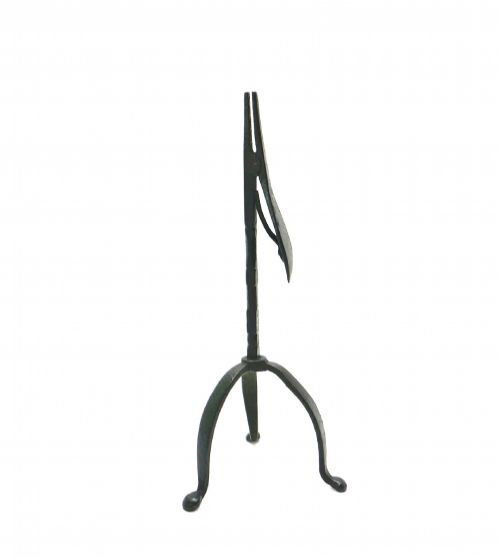
Foundry workers cast brass, bronze and paktong into moulds before turning the components on a lathe to refine the profiles. Sheet iron and wrought iron were hammered, beaten and joined with rivets to form utilitarian rushlight holders and hogscraper candlesticks.
Finishes range from polished and patinated brass to silvered pewter, ormolu and applied dark patination on iron. Chambersticks and ejector sticks incorporated moving parts and soldered sockets designed for functional longevity.
Antique Metalware Lighting Retail Price Guide 2026
Typical asking prices for metalware lighting among the pieces listed under this phrase on Sellingantiques today, from the lower quarter to the upper quarter. They describe what is for sale here now, not the wider market.
The listings show materials spanning brass, paktong, pewter, cast iron, gilt bronze and silvered pewter across the eighteenth and nineteenth centuries.
What varies in quality
The weight of the casting and the crispness of the turning separate standard utility items from finer examples. Heavier brass and well-defined decorative motifs in gilt bronze or cast metal indicate greater workshop skill.
Original surface patination and minimal structural alteration dictate desirability. Pieces retaining their original ejector mechanisms, unpolished patination or distinct regional hand-forged traits hold higher integrity.
WMF
The Antique Metalware Lighting Glossary
- Paktong
- A copper-nickel-zinc alloy resembling silver, used in eighteenth-century candlesticks for its bright, durable finish. It mimics precious metal while offering robust structural strength.
- Hogscraper
- A simple eighteenth-century sheet iron candlestick with an internal spring mechanism to push up the remaining candle stub. The name derives from its resemblance to a tool used in scraping pig bristles.
- Chamberstick
- A short candlestick fitted with a wide saucer pan and a finger loop for carrying around a house. They were standard bedroom lighting before electric wiring.
- Rushlight holder
- A wrought iron clip device designed to burn dried rushes dipped in animal fat, often combined with a standard candle socket. These represent early domestic vernacular lighting.
- Ejector
- A concealed internal mechanism operated by a slide or lever on the stem to push out the spent candle end. This mechanical addition simplifies cleaning the socket.
Antique Metalware Lighting: Frequently Asked Questions
How do I clean brass antique lighting?
Wash brass pieces gently with warm soapy water and a soft cloth to remove surface dust. Avoid harsh metal polishes that strip away centuries of accumulated patination.
Patina is integral to the character of antique metalware lighting and aggressive cleaning reduces historical value.
Were rushlights used alongside candles?
Rushlights provided an inexpensive form of domestic illumination for poorer households or everyday tasks. Candles were more costly and reserved for specific rooms or wealthier settings.
Combined rushnip holders allowed households to burn either fuel source depending on availability.
How do I date an iron rushlight holder?
Dating relies heavily on the complexity of the tripod base, the forging technique and regional Welsh or English characteristics. Eighteenth-century examples often employ hand-hammered wrought iron with simple spring-action jaws.
Comparing construction methods with dated archive pieces helps establish the likely decade of manufacture.
Can I use standard candles in antique sticks?
Standard modern candles often vary in diameter compared to historical sockets. Tapering the base of a modern candle with a knife ensures a secure fit in eighteenth-century brass or iron cups.
Securing the candle prevents leaning and potential wax damage to the metal surface.