


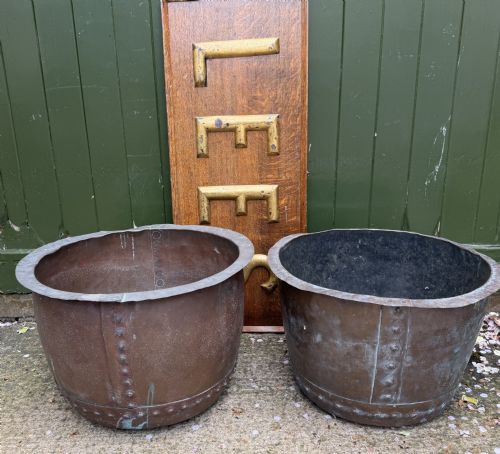


Antique Metal Wash Boiler
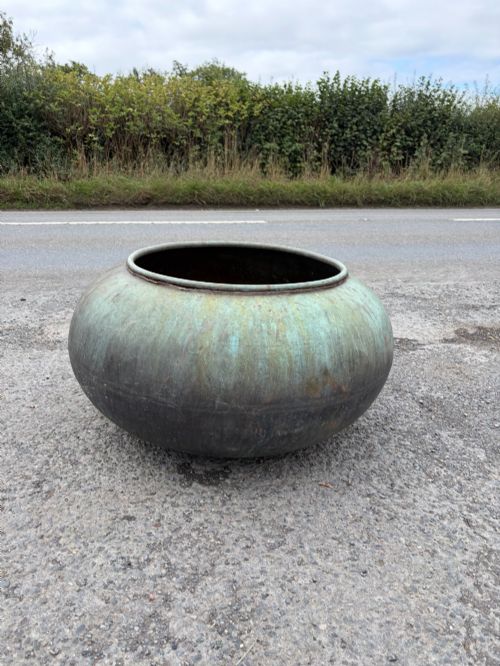
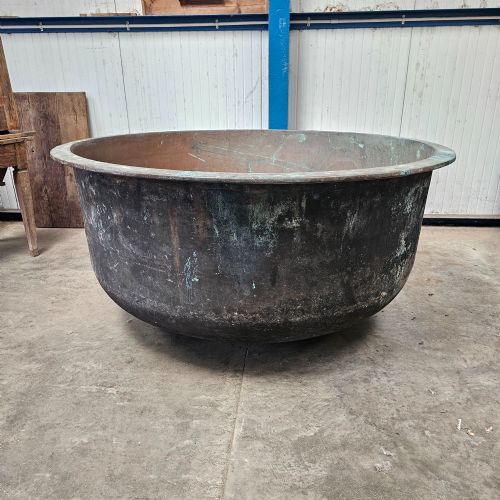
These heavy metal vessels built for laundry day now make superb garden planters and rustic log bins.
Antique Metal Wash Boiler
When you search for an antique metal wash boiler, you are looking at heavy utilitarian vessels from the nineteenth century that served a demanding domestic purpose. These containers once stood over hearths or built-in brick stoves to heat water for household laundering.
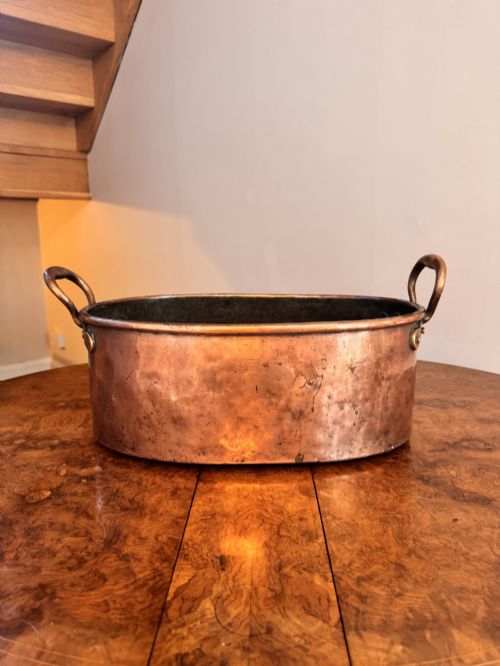
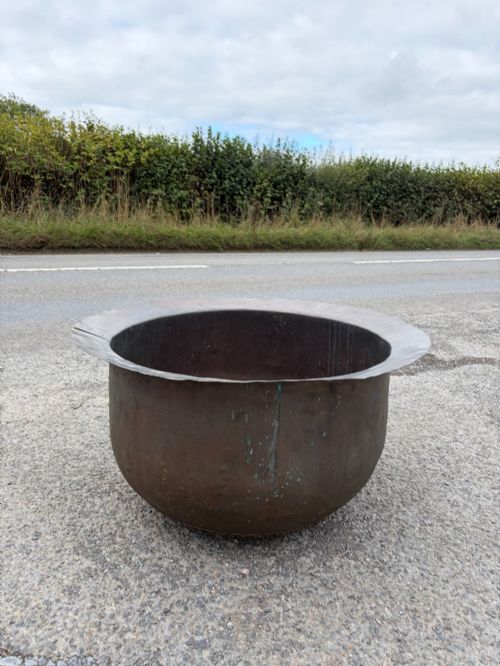
Most examples found today take the form of large copper pots, cauldrons, and cooking vessels, alongside occasional cast iron pieces. While their original laundry function disappeared with modern plumbing, their capacity and robust build suit them for new roles as planters, troughs, and log buckets.
The pieces appearing on this page date principally from the Victorian era, spanning the mid to late nineteenth century. English and French country examples predominate, often carrying the marks of heavy rural or industrial use.
Materials and construction
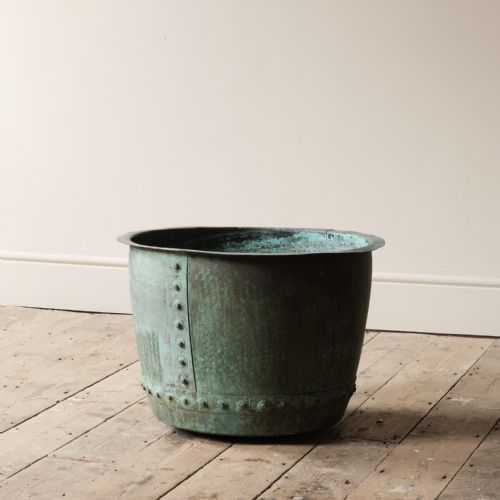
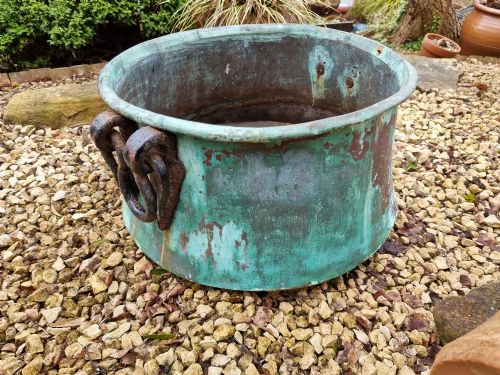
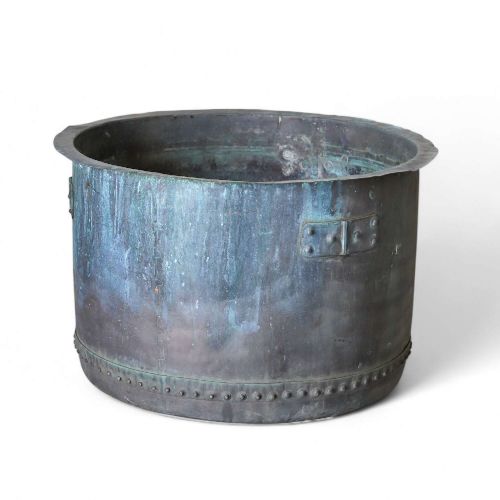
Makers formed these vessels primarily from heavy sheet copper, joined together with hand-riveted seams that ensured a watertight seal under intense heat. Wrought iron provided durable swing handles and reinforcement bands, while cast iron appeared in specific utilitarian designs.
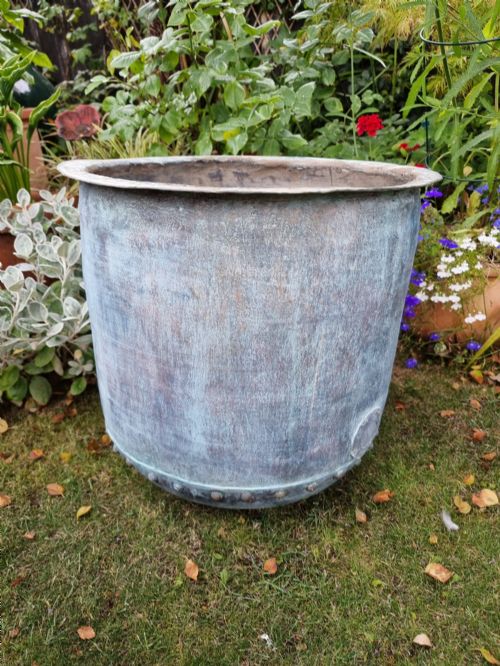
The surfaces developed complex patinas through decades of exposure to fire, water, and weather. Natural verdigris and weathered patinas frequently remain on the metal, reflecting their long working lives in washhouses and farmyards.
Antique Metal Wash Boiler Retail Price Guide 2026
Typical asking prices for metal wash boiler among the pieces listed under this phrase on Sellingantiques today, from the lower quarter to the upper quarter. They describe what is for sale here now, not the wider market.
Some copper boilers retain the distinct soot marks from their days over open Victorian hearths.
Quality and character
Quality in these utilitarian objects rests in the heaviness of the gauge metal and the integrity of the hand-riveted construction. Thicker copper walls and substantial wrought iron handles separate impressive display pieces from ordinary domestic vessels.
The visual appeal depends largely on the depth of the original patina and the presence of natural verdigris accumulated over a century or more. Proportion and scale also dictate value, with extra-large cauldrons and garden display pots commanding the strongest presence.
The Antique Metal Wash Boiler Glossary
- Riveted
- Joined with metal pins hammered flat to secure overlapping sheets. This method predates modern welding and provides structural strength.
- Verdigris
- The green patina that forms naturally on copper and brass through prolonged exposure to moisture and the atmosphere.
- Patina
- The surface sheen and colour developed by metal through age, use, and weathering. It indicates authenticity and long handling.
- Cauldron
- A large metal pot with a wide opening and a swing handle, designed for suspending over a fire.
- Log bin
- A secondary use for these vessels as large indoor containers for firewood. Their deep copper bodies suit domestic hearths.
Antique Metal Wash Boiler: Frequently Asked Questions
What were wash boilers used for?
These vessels held water that was heated over a fire for boiling laundry, linens, and clothing.
Their large capacity allowed households to wash substantial quantities of textiles before the advent of automated plumbing.
Can I use them outside in the garden?
The heavy copper and iron construction makes these vessels well suited for outdoor use as planters and garden troughs.
Their robust metal bodies withstand weather, while natural drainage often occurs through old rivet holes or wear.
How do I clean an antique copper boiler?
Gentle washing with warm soapy water removes surface dirt without disturbing the historic verdigris and patina.
Avoid harsh chemical polishes that strip away the aged surface character accumulated over the nineteenth century.
How do I date a nineteenth century boiler?
Dating relies on observing construction details such as hand-riveted seams, wrought iron handle attachments, and material thickness.
Victorian utilitarian pieces typically display robust, unpretentious manufacturing traits characteristic of the period.