






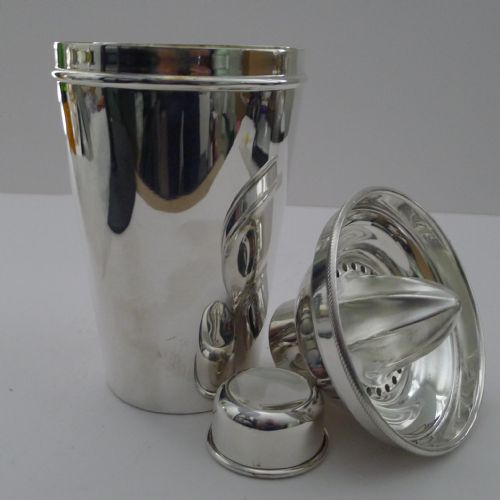


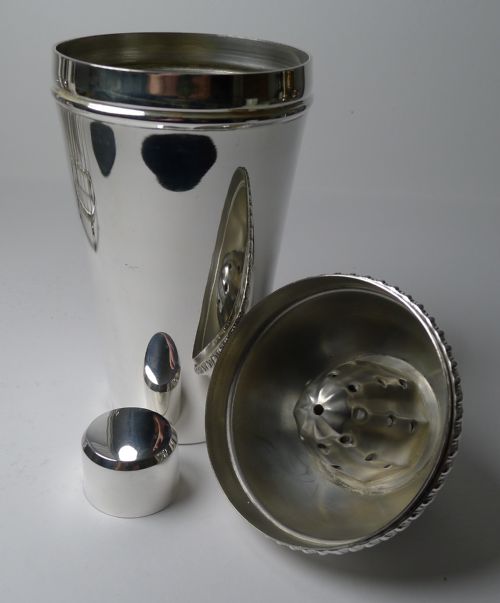
Antique Metal Shaker
An antique metal shaker brings barware and kitchen metalware of brass, bronze, pewter, and silver plate into the modern home.
Antique Metal Shaker
An antique metal shaker encompasses cocktail shakers, spice shakers, pepper pots, and dredgers originating from periods ranging from the Georgian era through the 1960s. These pieces include utilitarian kitchen metalware alongside sophisticated barware designed for the home cocktail lounge.
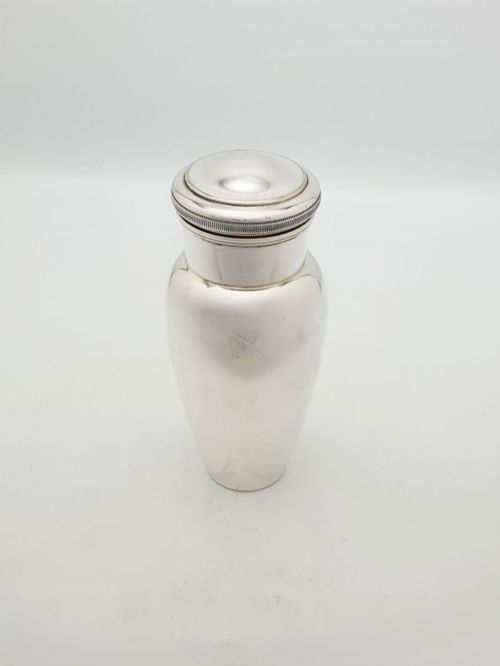
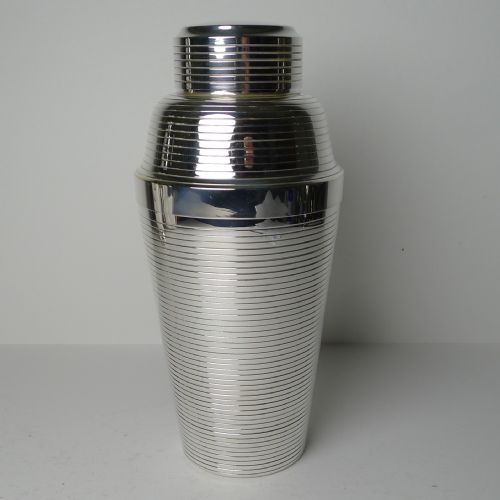
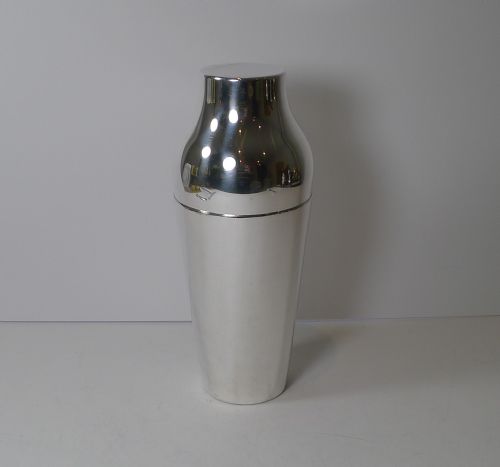
The version a buyer meets most frequently on this page is the silver-plated cocktail shaker from the Art Deco period, often featuring built-in mechanisms such as ice breakers, rotating recipes, or integral lemon squeezers. Alongside these barware items, brass and bronze spice shakers represent earlier centuries.
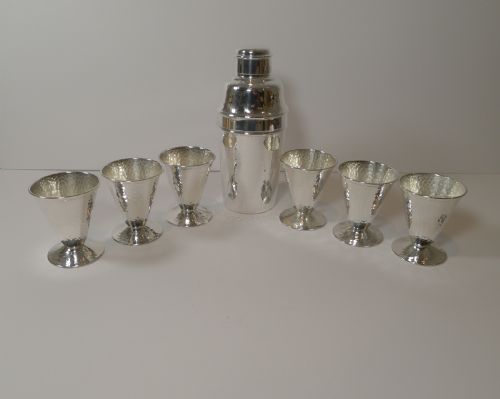
Forms vary from straightforward two-part vessels to novelty pepperettes shaped as animals and cased sets complete with matching accessories. Makers span English, French, Italian, and German workshops working in styles from Georgian to Modernist.
Materials and construction
Base metals, pewter, brass, and bronze form the structural body of these pieces, providing the weight and rigidity required for domestic and bar use. Silver plate is applied over base metal to give a bright reflective finish suitable for entertaining.
Hammering, casting, and plating techniques shape the metal bodies, while specialised internal components like rotating recipe bands and integral citrus squeezers require precise assembly. Metal elements join seamlessly to contain liquids and dry spices securely.
Antique Metal Shaker Retail Price Guide 2026
Typical asking prices for metal shaker among the pieces listed under this phrase on Sellingantiques today, from the lower quarter to the upper quarter. They describe what is for sale here now, not the wider market.
Listings feature items spanning the Georgian era, the 18th and 19th centuries, and the 1920s to the 1960s, executed in silver plate, brass, pewter, bronze, and glass.
Quality and execution
The distinction between standard utility items and finer examples rests on the integration of functional mechanisms and the reputation of the manufacturing firm. Pieces bearing named makers or distinct design attribution show greater refinement in their proportions and mechanical detailing.
The preservation of the original silver plating or patinated bronze surface dictates visual appeal, as does the crispness of decorative chasing and the smooth operation of screw threads or rotating recipe cylinders.
J. B. Chatterley & Sons·Gaskell & Chambers·Carl Deffner·Orfèvrerie Christofle·Mappin & Webb·St. Medard
The Antique Metal Shaker Glossary
- Silver Plate
- A thin layer of silver fused to a base metal core such as brass, nickel silver, or copper. This technique allowed manufacturers to produce lustrous tableware at a lower cost than solid silver.
- Pewter
- A malleable metal alloy consisting primarily of tin combined with copper, antimony, or bismuth. It was traditionally cast into domestic vessels and novelty animal pepperettes.
- Dredger
- A small container with a perforated lid used for sprinkling flour, sugar, or spices over food. Earlier examples were commonly cast in brass or bronze.
- Ice Breaker
- An internal grid or spiked component fitted inside a cocktail shaker to shatter ice as the liquid is poured. It prevents large cubes from blocking the spout during mixing.
Antique Metal Shaker: Frequently Asked Questions
How do I clean an antique silver plated shaker?
Wash the interior with warm soapy water and a soft cloth, avoiding harsh scouring pads that might damage the plated surface. Dry thoroughly immediately after washing to prevent moisture spotting.
Use a mild silver polish sparingly on the exterior only if necessary, taking care around engraved details or mechanical components. Regular dusting with a soft cloth preserves the existing patina.
Can I use an antique cocktail shaker for mixing drinks?
Many silver-plated cocktail shakers remain structurally sound and capable of mixing liquids, provided the internal seals and fitting lids are secure. Check the interior for any wear to the plating before introducing acidic ingredients like citrus.
Older brass and bronze spice shakers or pewter pepperettes are better suited for display or dry condiment use rather than liquid preparation. Inspect the perforations and internal components to ensure they are clean.
How do I distinguish an 18th century spice shaker from later pieces?
Eighteenth-century spice shakers and dredgers are typically constructed from heavy brass or bronze with hand-punched piercing patterns on the lids. They reflect utilitarian kitchen and dining customs prior to the widespread adoption of electroplating.
Later Victorian and Art Deco pieces frequently utilise silver plate over base metal and incorporate complex mechanisms like rotating recipes or lemon squeezers. The manufacturing style and fastening methods indicate the production period.