


Antique Metal Seating
Antique metal seating spans sturdy garden benches and industrial stools forged from iron, steel, and bronze across the nineteenth and twentieth centuries.
Antique Metal Seating
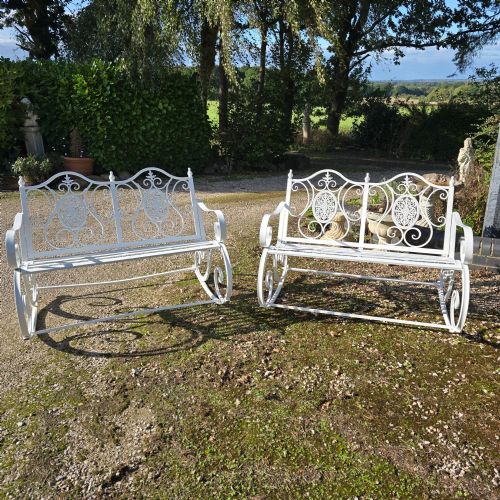
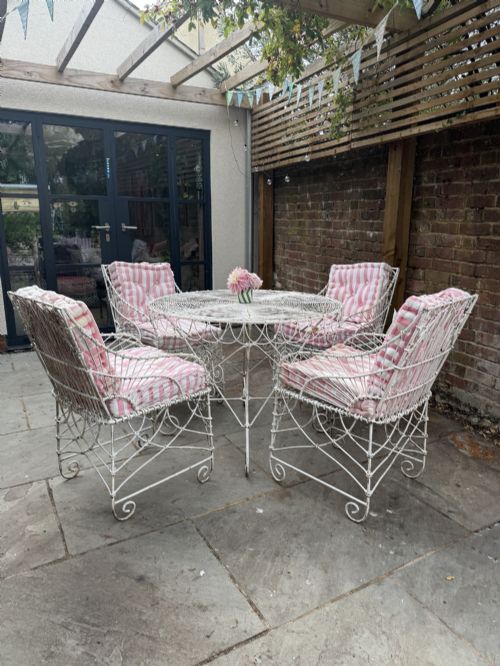
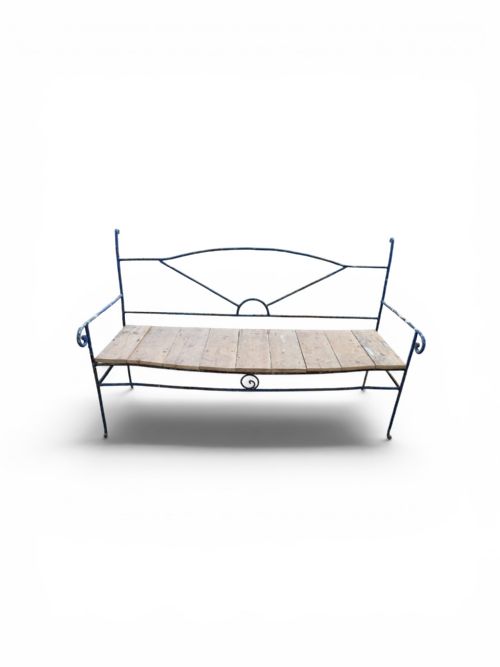
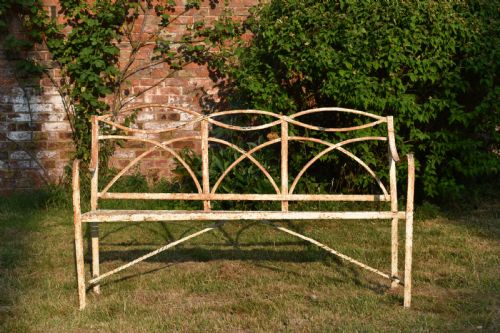
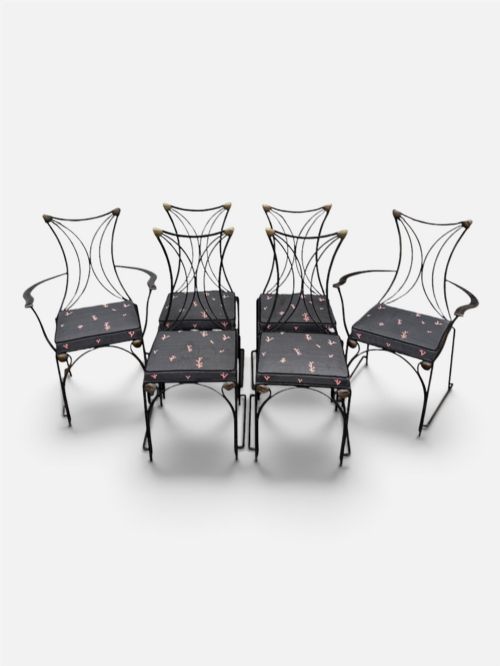
Antique metal seating encompasses a diverse array of utilitarian and decorative objects designed for resting, primarily found in garden settings, industrial workshops, and domestic interiors. When searching for antique metal seating, buyers encounter everything from heavy garden benches and strapwork settees to revolving factory stools and bar chairs.
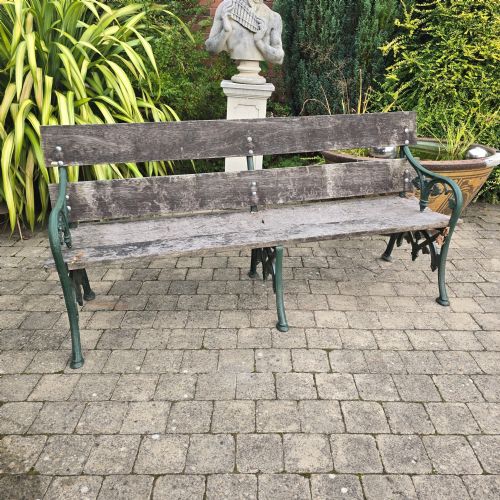
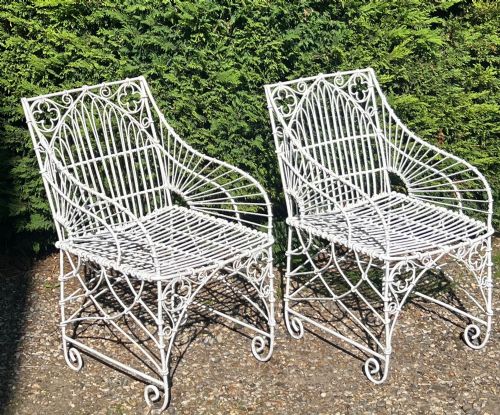
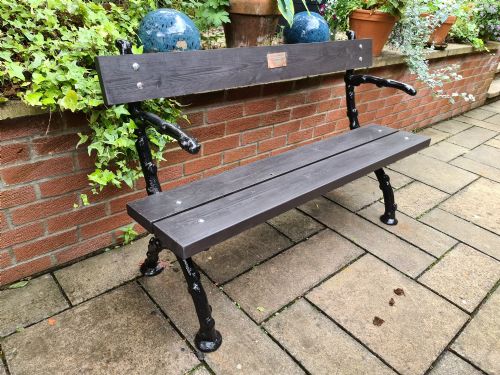
The pieces appearing on this page draw predominantly from the Victorian era and the early twentieth century, alongside Regency and 1930s examples. Garden benches in cast and wrought iron sit alongside industrial bar stools and French Riviera armchairs, reflecting both outdoor leisure and practical workspace design.
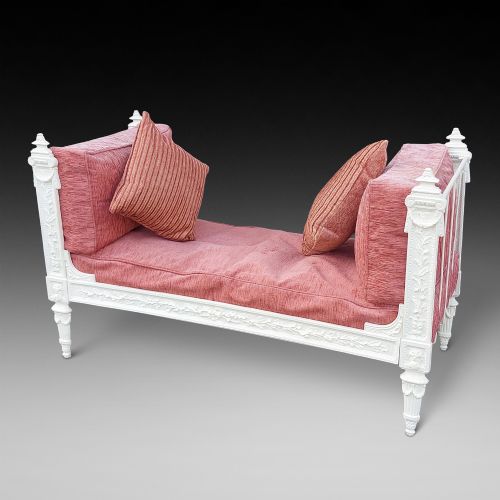
Form follows function across these objects, moving from ornate, foliage-patterned park seats to austere steel workshop chairs and riveted metal bar stools. Buyers will also find specialised items such as daybeds, rocking benches, and fireplace fenders constructed from durable metallic elements.
Materials and Construction
Makers utilised cast iron, wrought iron, and steel as the primary structural materials for these pieces, frequently combining them with timber slats, leather, or painted surfaces. Cast iron allowed for intricate, moulded decoration such as fern patterns and lion masks, while wrought iron and strapwork provided flexible strength for curving frames.
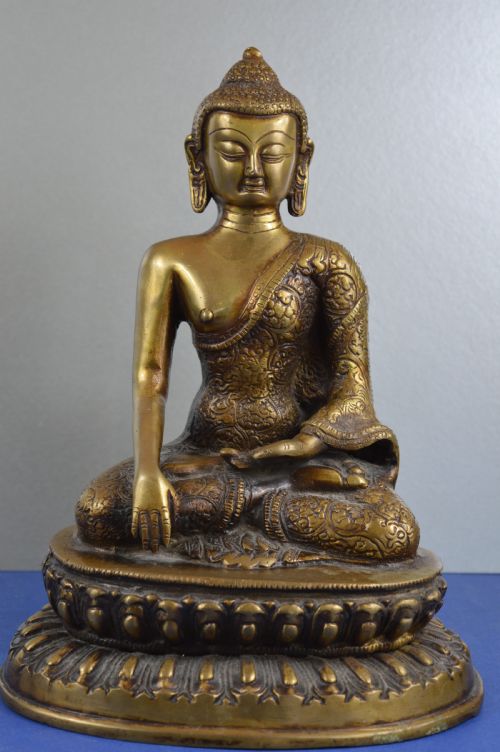
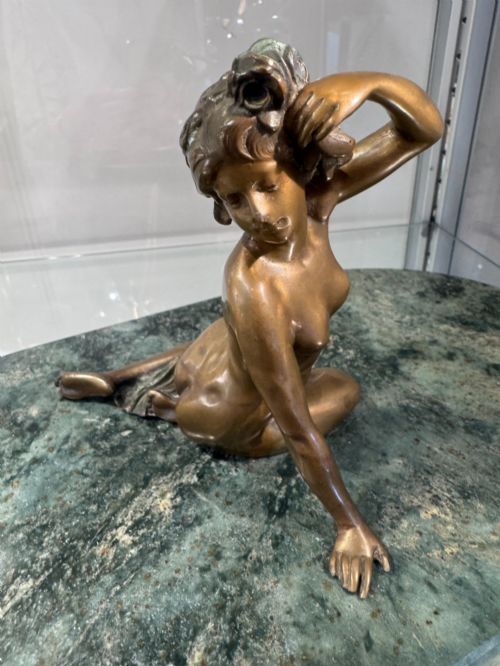
Techniques varied according to the intended environment, with outdoor garden pieces relying on heavy casting and weather-resistant paint, while industrial stools incorporated riveted steel, gear cogs, and revolving mechanisms. Bronze also appears in sculptural seated figures and decorative works, cast and finished with patination.
Antique Metal Seating Retail Price Guide 2026
Typical asking prices for metal seating among the pieces listed under this phrase on Sellingantiques today, from the lower quarter to the upper quarter. They describe what is for sale here now, not the wider market.
Camels once carried this ceremonial saddle before it retired to a life of quiet stationary contemplation.
Assessing Quality and Merit
Quality in these items rests upon the crispness of the casting, the integrity of the original joins, and the presence of maker attribution. Pieces produced by distinguished foundries or incorporating complex strapwork and detailed ornamentation demonstrate superior craftsmanship compared to standard commercial outputs.
The preservation of original surface finishes, such as aged paint or natural patination, significantly elevates an object's character. Heavily altered structures or replaced wooden components alter the historical cohesion, whereas untouched industrial mechanisms and well-preserved foundry marks command greater appreciation.
Blackstone & Co.·Christopher Dresser·E Villanis·Coalbrookdale·Evertaut
The Antique Metal Seating Glossary
- Cast iron
- A hard, brittle alloy of iron and carbon poured into moulds to create complex, decorative patterns. It defines the structure of many Victorian garden benches and decorative foundry seats.
- Wrought iron
- Tough, malleable iron beaten or bent into shape by hand, often utilised for strapwork benches and linear scroll designs. It withstands stress better than cast iron without fracturing.
- Strapwork
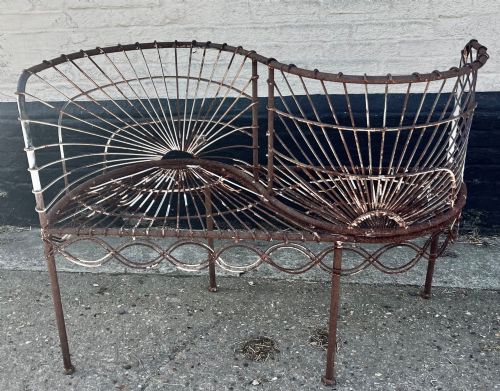
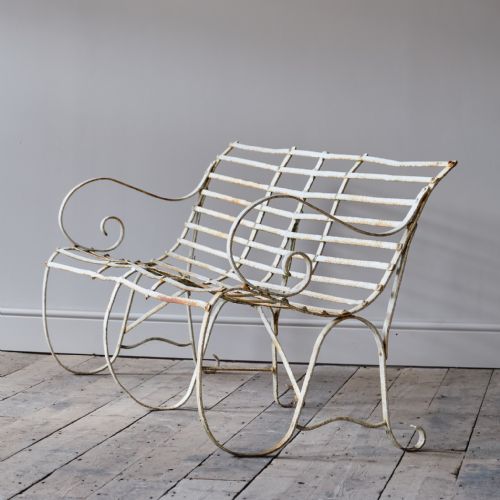
- Flat strips of metal interwoven or arranged in geometric strap patterns. This technique appears frequently on Regency and nineteenth-century garden seating.
- Faux bois
- Imitation wood grain rendered in cast iron or concrete. Nineteenth-century foundries employed this method to give metal garden seats a rustic appearance.
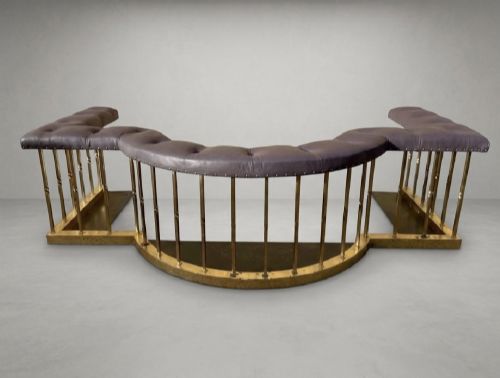
- Club fender
- A low, metal-framed seat upholstered on top, placed around a fireplace hearth. Wrought iron and brass versions provided comfortable fireside seating in Edwardian interiors.
Antique Metal Seating: Frequently Asked Questions
How do I care for antique metal garden seats?
Keep metal furniture clean by washing down dust and debris with mild soapy water and a soft brush. Inspect the painted or sealed surfaces regularly to catch early signs of rust before they penetrate the iron.
Position garden seating on paved surfaces rather than directly on damp soil during winter months to minimise moisture absorption. Apply a protective wax or appropriate outdoor coating where necessary to preserve the historical surface without stripping its patina.
Are these iron benches comfortable to sit on?
Many cast and wrought iron benches feature contoured slats or ergonomic strapwork designed to support the body naturally. While solid metal can feel hard, adding loose cushions transforms them into comfortable resting spots for the garden or patio.
Heavier Victorian and Edwardian park seats were engineered for public and domestic leisure, balancing rigid structural strength with supportive backrest angles. Pairing them with wooden slats or padded squabs ensures practical daily use.
How can I distinguish a Victorian garden bench?
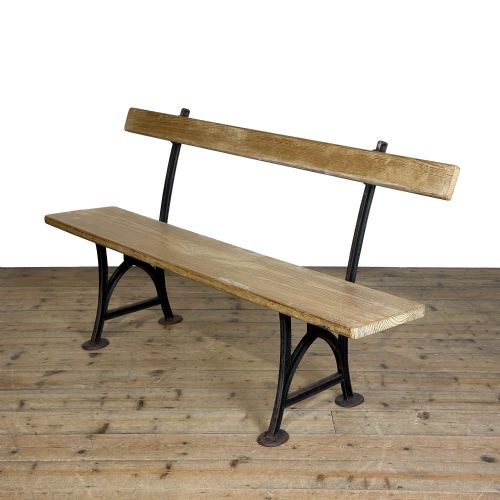
Victorian garden benches typically display heavy cast iron ends decorated with botanical motifs, ferns, or animal masks. The ironwork is robust and often bears registration marks or foundry patterns characteristic of nineteenth-century production.
Later twentieth-century reproductions often lack the weight, crisp casting depth, and natural wear patterns found on genuine Victorian examples. Examining the bolts, structural joins, and overall casting quality helps confirm the period.
Can industrial metal stools be used indoors?
Industrial metal stools adapt easily to modern kitchens, bars, and studio spaces due to their compact footprints and robust construction. Their swivel mechanisms and riveted steel frames offer functional seating with a distinct historical aesthetic.
Protect interior flooring by attaching small felt pads to the base of iron or steel legs to prevent scratching. Their durable nature ensures they withstand high-traffic domestic environments while serving as sculptural statement pieces.