






Antique Metal Keys
Antique metal keys form a fascinating part of security history, offering a tangible link to past domestic and commercial life.
Antique Metal Keys
When searching for antique metal keys, buyers encounter a variety of security and storage items dating from the seventeenth century through to the twentieth century. These pieces reflect the functional hardware and locking mechanisms of periods such as the Georgian, Victorian, and Regency eras.
Materials and construction
The pieces listed utilise durable metals characteristic of their respective periods, predominantly iron, cast iron, and brass. Blacksmiths and early manufacturers shaped these materials through forging and casting to ensure reliable locking action.
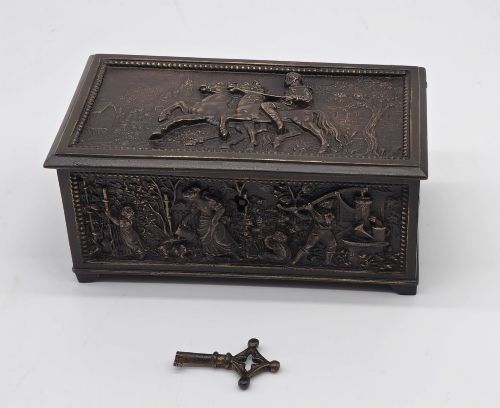
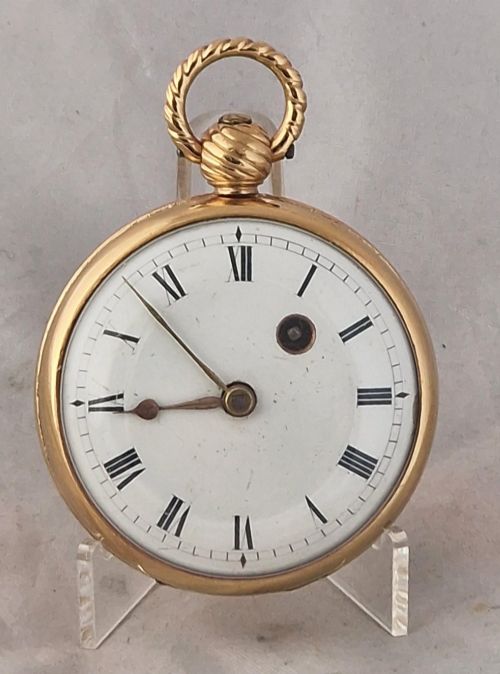
Surface finishes and detailing include gilt brass and enamel work, particularly on objects where utility merged with decorative display, such as miniature clocks, caskets, and padlocks.
Antique Metal Keys Retail Price Guide 2026
Typical asking prices for metal keys among the pieces listed under this phrase on Sellingantiques today, from the lower quarter to the upper quarter. They describe what is for sale here now, not the wider market.
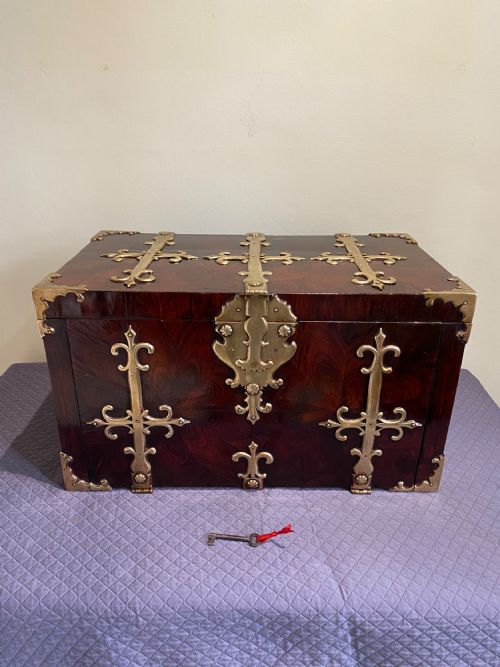
Many a heavy Victorian iron safe hides its working parts behind surprisingly ornate brass door plates.
Assessing quality and craftsmanship
Quality in these items rests in the precision of the metalwork, the clarity of cast or forged details, and the integrity of the mechanism. Superior examples display crisp definition in decorative elements and robust construction designed for long-term use.
The distinction between standard utility items and finer pieces lies in the articulation of the hardware, the retention of original patination, and the complexity of associated locks or caskets.
Friedrich Adler for Osiris·Milners of Liverpool·George Price
The Antique Metal Keys Glossary
- Cast iron
- A strong, hard alloy of iron and carbon poured into a mould to shape it. This material appears frequently in heavy-duty Victorian and early nineteenth-century safes and lock boxes.
- Gilt brass
- Brass coated with a thin layer of gold or gold-coloured material. This finish adds decorative brilliance to smaller domestic hardware and timepiece components.
- Pewter
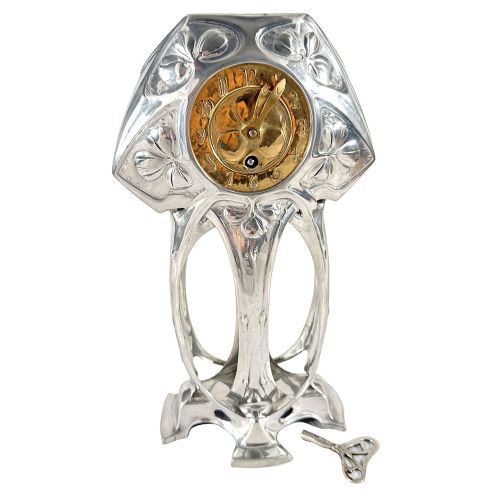
- A malleable metal alloy historically used for domestic vessels and decorative objects. It provides a distinct dark metallic sheen seen in items from the turn of the twentieth century.
Antique Metal Keys: Frequently Asked Questions
How do I date an antique metal key?
Dating relies on examining the manufacturing method, the type of metal used, and the style of the bow and bit. Hand-forged iron differs significantly from later mass-produced cast variants.
Comparing the form to dated hardware and associated locks helps narrow down the period of origin.
Were these items purely functional?
While many items served a strict security purpose, others combined utility with decorative arts. Miniature clocks, strongboxes, and caskets incorporated ornate brass and bronze work for display in domestic settings.
Security hardware often balanced robust construction with aesthetic appeal during the Victorian and Georgian periods.
How should I clean antique metal?
Maintenance generally involves removing surface dust with a dry, soft cloth to preserve the existing patination. Aggressive polishing removes the historical wear that collectors value.
Consulting a specialist conservator ensures that ferrous metals and brass retain their protective surface layers over time.
What materials are most common?
Iron and cast iron dominate early security devices due to their strength and durability. Brass and gilt brass appear frequently on smaller decorative caskets and precision mechanisms.
Pewter and bronze also feature in specific decorative items and souvenirs from the nineteenth and twentieth centuries.