


Antique Metal Hearth Bucket
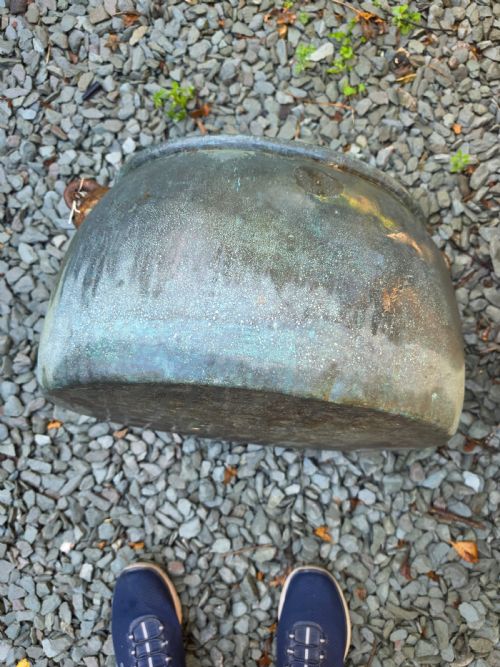
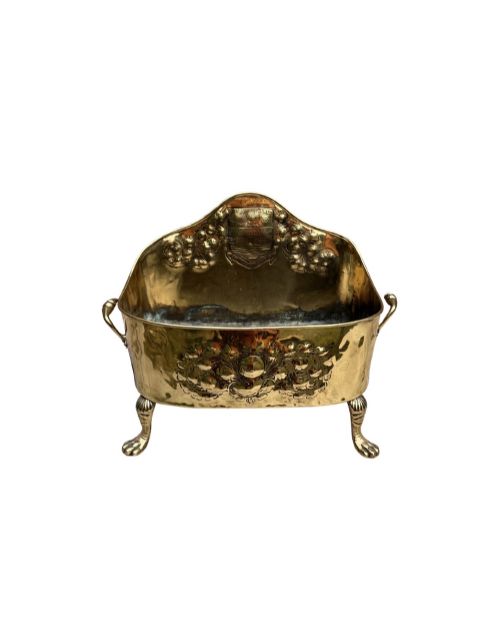
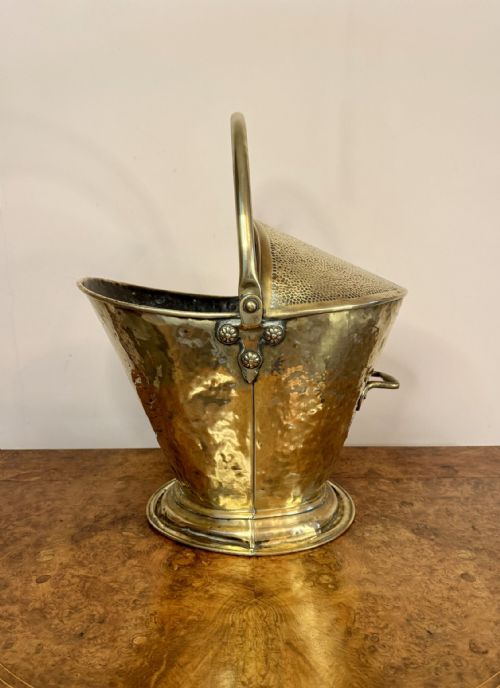
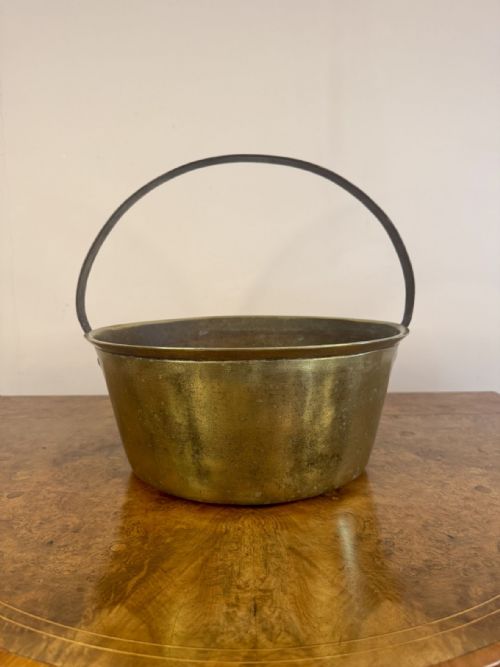
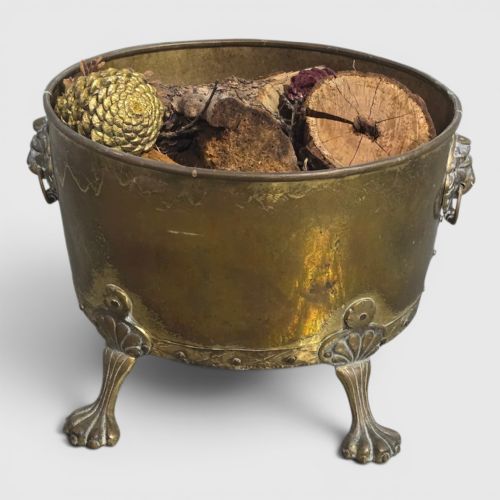
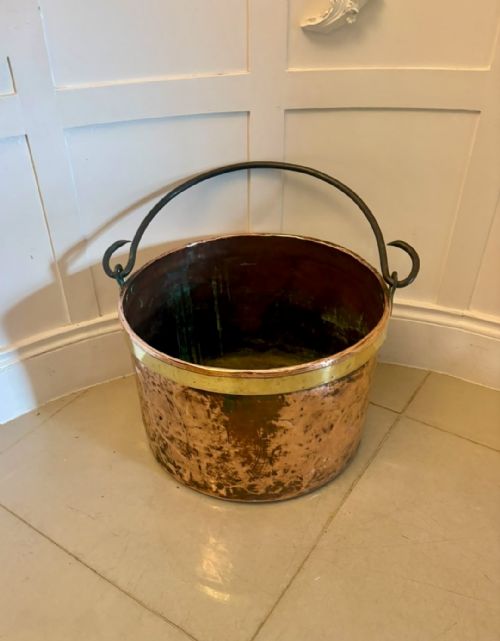
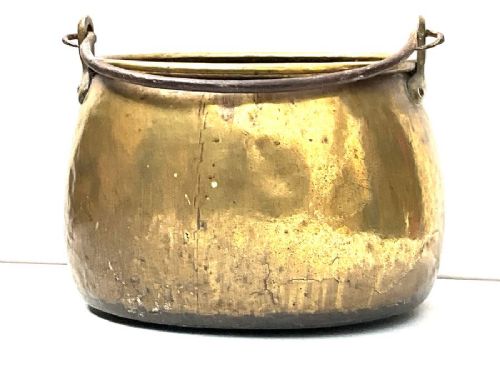
An antique metal hearth bucket brings practical fuel storage and warm metallic texture to a fireplace, spanning helmet scuttles, cylindrical log bins, and cauldrons.
Antique Metal Hearth Bucket
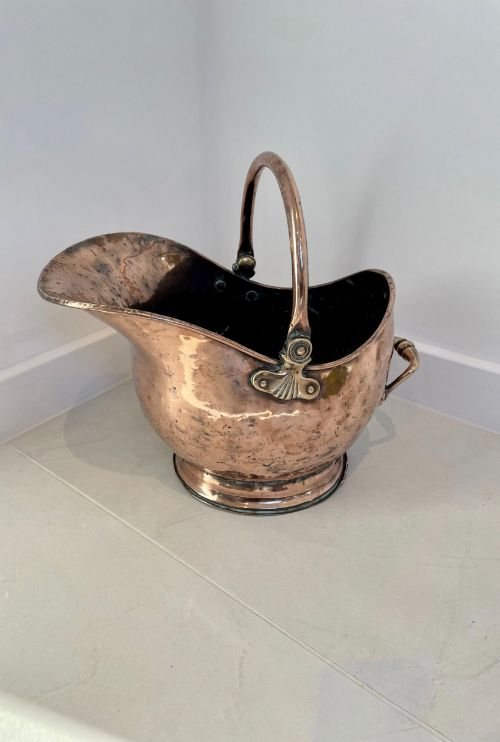
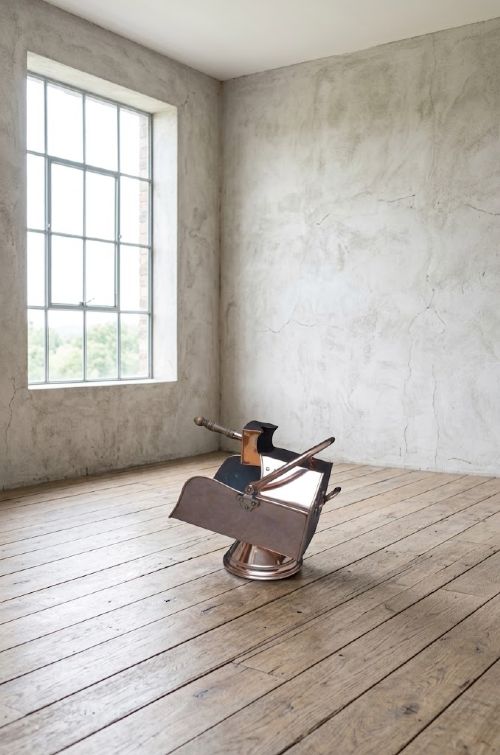
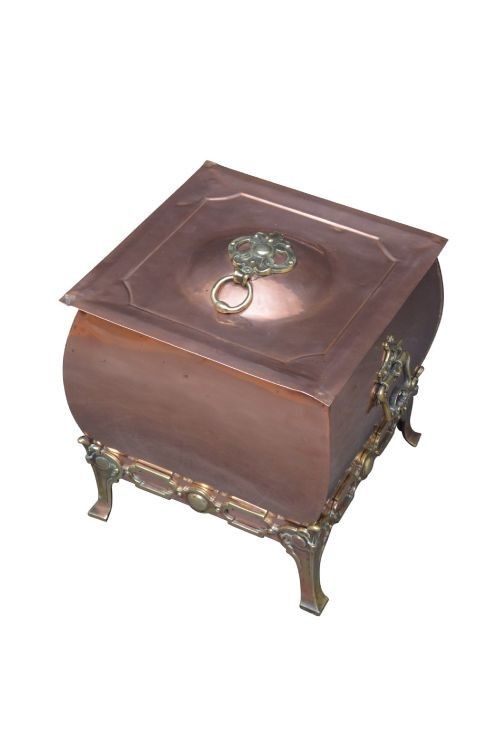
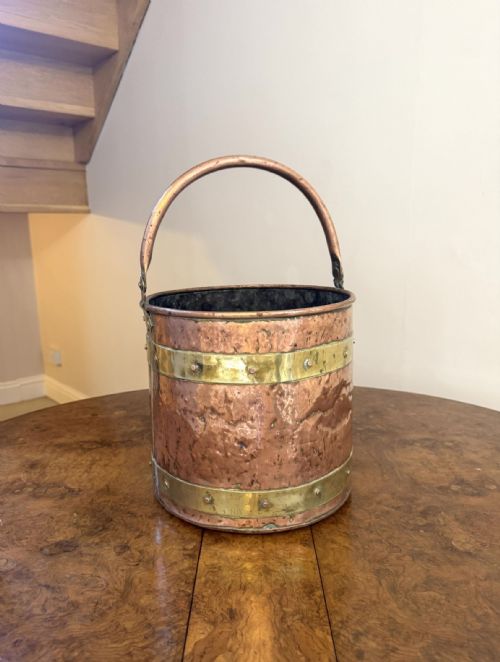
An antique metal hearth bucket serves primarily as a fireside container for coal, logs, or kindling, though many surviving examples double as decorative planters or storage bins. When searching for this phrase, a buyer encounters a diverse group of vessels designed to sit beside the fireplace, fulfilling both functional and decorative roles in the domestic interior.
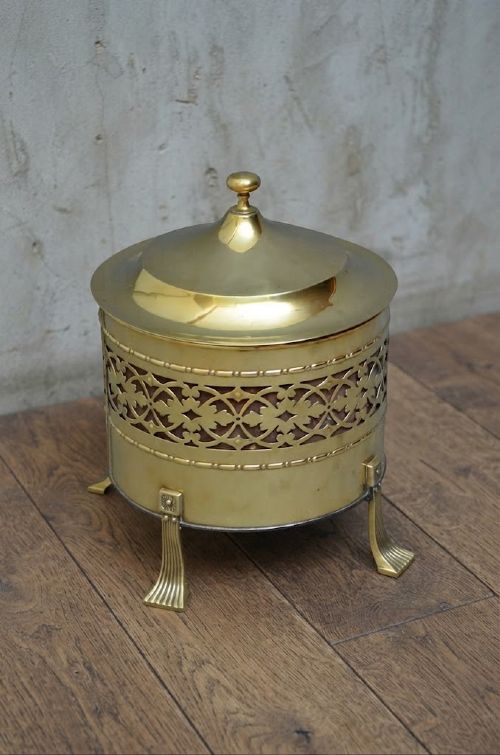
Makers often drew inspiration from Georgian predecessors or contemporary Arts and Crafts and Art Nouveau movements, applying decorative fretwork, hammered textures, or contrasting brass banding. These vessels reflect the changing domestic heating methods of their periods, transitioning from open coal fires to versatile fuel storage.
Materials and construction methods
The construction of these pieces relies heavily on durable base metals such as copper, brass, and iron, frequently hammered, spun, or riveted into shape. Copper bodies predominate, often paired with cast brass handles, claw feet, or iron frames for structural support.
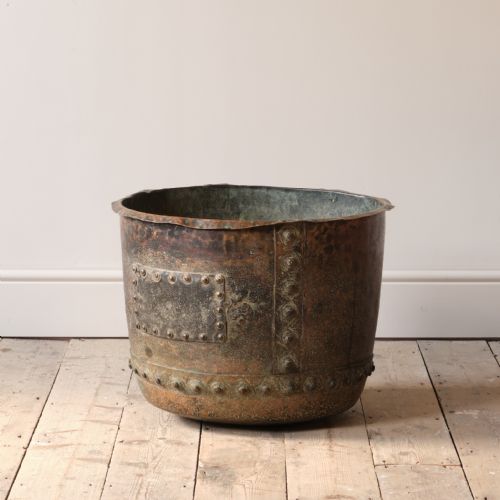
Craftsmen utilised traditional metalworking techniques, joining sheets with visible rivets or smooth seams, and sometimes incorporating mahogany trim or interior metal liners. The marriage of copper and brass creates a distinct visual contrast that defines many Victorian and Edwardian fireside pieces.
Antique Metal Hearth Bucket Retail Price Guide 2026
Typical asking prices for metal hearth bucket among the pieces listed under this phrase on Sellingantiques today, from the lower quarter to the upper quarter. They describe what is for sale here now, not the wider market.
Listings feature copper and brass prominently, alongside occasional wrought iron frames and mahogany accents spanning the nineteenth and early twentieth centuries.
Factors of craftsmanship and material depth
Quality in these vessels rests upon the thickness of the metal sheet, the integrity of the riveted or soldered joints, and the retention of original fittings like swing handles and shovels. Heavy-gauge copper and substantial brass castings separate utilitarian containers from finer display pieces.
The subtlety of decorative embellishment, such as hand-hammered Art Nouveau motifs or intricate brass fretwork, indicates the maker's skill and ambition. Pieces that retain their original iron frames, internal liners, or matched accessories demonstrate greater integrity and original design purpose.
Petrus Ramus
The Antique Metal Hearth Bucket Glossary
- Helmet Scuttle
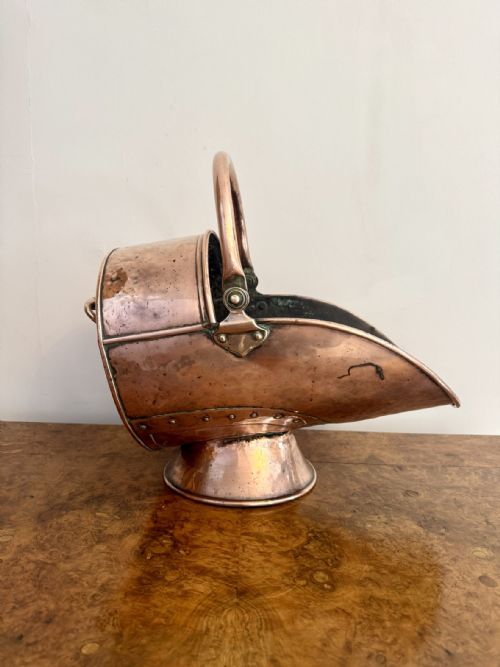
- A coal container featuring a flared, cowl-like rim resembling a classical helmet, designed for pouring fuel cleanly.
- Log Bin
- A straight-sided cylindrical or oval vessel used for storing larger pieces of firewood beside the hearth.
- Cauldron
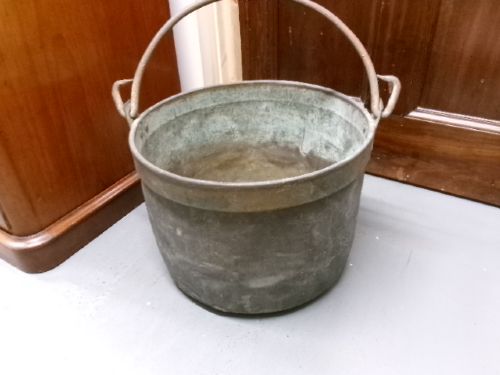
- A rounded metal cooking or heating pot with a swing handle, occasionally adapted for fireside fuel storage.
- Fretwork
- Openwork ornamentation cut into brass or other sheet metal, common on Edwardian coal buckets and planters.
Antique Metal Hearth Bucket: Frequently Asked Questions
What is an antique metal hearth bucket?
An antique metal hearth bucket is a traditional fireside container made from copper, brass, or iron, designed to hold coal, logs, or kindling.
These vessels range from functional coal scuttles to decorative planters and log bins used in nineteenth and early twentieth-century homes.
How were these metal buckets used originally?
They were kept by the fireplace to transport and store solid fuels like coal and wood for domestic hearths.
Over time, many have transitioned into decorative interior items, serving as umbrella stands or indoor plant holders.
How do I date a brass or copper bucket?
Dating relies on observing manufacturing techniques, material choices, and stylistic markers associated with periods like the Georgian era, Victorian times, or the Arts and Crafts movement.
Heavier riveted construction often points to nineteenth-century production, while lighter fretwork and specific handle mounts frequently suggest Edwardian or later manufacture.
Can these buckets still be used by a fireplace?
Many solid metal buckets remain robust enough to store logs or kindling next to a working hearth today.
Owners should check for watertight integrity or internal liners if using them for damp firewood or live plants.