





Antique Metal Hardware
Antique metal hardware brings tactile history to a room through solid brass knobs, bronze knockers and gilt tiebacks.
Antique Metal Hardware
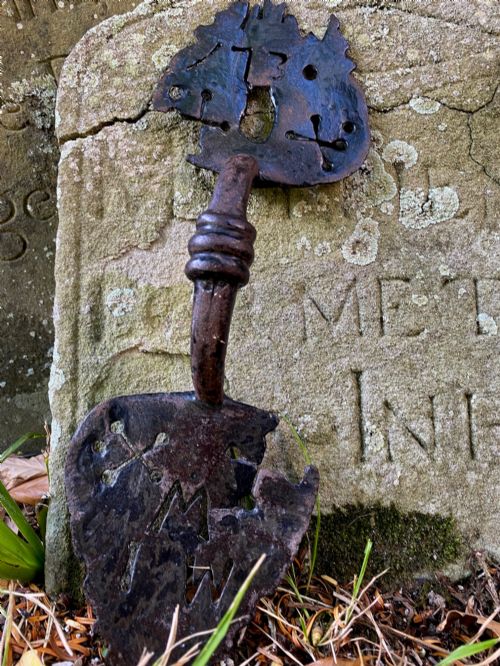
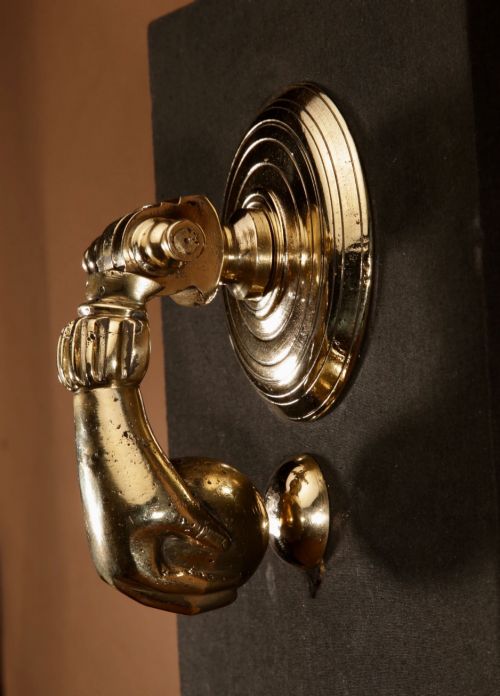
Antique metal hardware encompasses functional domestic and decorative fixtures made from durable metals across the Georgian, Victorian, and early twentieth-century periods. Buyers searching this phrase typically encounter practical items designed for everyday architectural use, including door knobs, knockers, bell pulls, and push plates.
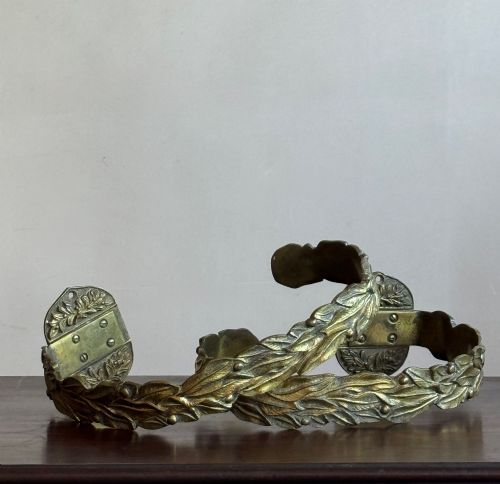
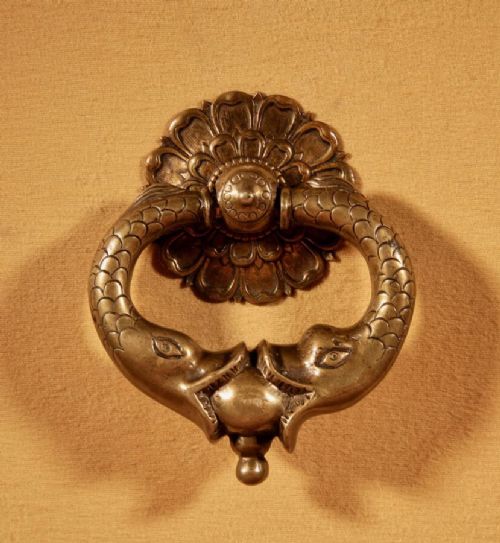
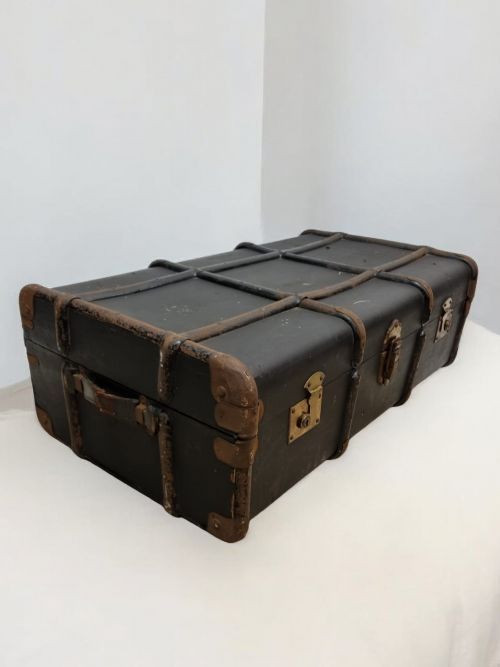
The selection leans heavily toward British and European brass and bronze pieces, alongside Japanese hikite handles and travel trunk elements. Door furniture and curtain tiebacks dominate the forms, offering period specific casting styles from neoclassical lion masks to beehive turnings.
Materials and production methods
Foundries utilised casting techniques in brass, bronze, cast iron, and ormolu to shape heavy architectural details and decorative fittings. Molten metal poured into moulds allowed makers to achieve intricate relief work, such as laurel wreaths, animal motifs, and geometric facets.
Surface finishing combined hand-chasing, gilding, and enamelling on copper or brass bases. Artisans applied fire gilding or gold leaf to ormolu tiebacks, while functional items relied on robust iron and steel for internal mechanisms and structural plates.
Antique Metal Hardware Retail Price Guide 2026
Typical asking prices for metal hardware among the pieces listed under this phrase on Sellingantiques today, from the lower quarter to the upper quarter. They describe what is for sale here now, not the wider market.
Object forms span door knockers, bell pulls, curtain tiebacks, and Japanese hikite handles.
Assessing quality in metalwork
Weight and material integrity also distinguish finer items, as solid cast components demonstrate greater durability than plated alternatives. Original fixings, matching pairs, and preserved fire gilding or enamel retain higher integrity than later replacements.
Kenrick & Sons·Henri Picard
The Antique Metal Hardware Glossary
- Ormolu
- Gilded bronze produced by applying a mercury and gold amalgam to a bronze base and firing it in a kiln.
- Hikite
- A recessed Japanese door pull handle traditionally used on sliding screens and doors.
- Doctors Knocker
- A heavy brass door knocker featuring a pivoting vertical bar and striking plate, popular in the nineteenth century.
- Tieback
- A wall-mounted decorative fixture used to hold back window curtains or drapery.
- Push Plate
- A flat metal plate attached to a door to protect the surface from finger marks around the handle.
Antique Metal Hardware: Frequently Asked Questions
How do I clean antique brass hardware?
Clean antique brass hardware gently with warm soapy water and a soft cloth to remove surface grime without stripping the natural patina accumulated over decades.
Avoid harsh chemical polishes or abrasive pads that can permanently damage delicate details, hand-chased lines, or original gilt surfaces.
Are these door knobs suitable for modern doors?
Many antique door knobs and centre pulls can be fitted to modern internal doors, provided the spindle size and latch mechanisms are compatible with historical dimensions.
Some older rim locks and spindle thicknesses require minor adjustments or specialised adapters to function correctly in contemporary doorways.
What is the difference between brass and bronze hardware?
Brass is an alloy of copper and zinc, typically yielding a brighter golden hue that responds well to polishing and traditional casting methods.
Bronze consists primarily of copper combined with tin, producing a denser, darker metal with high corrosion resistance favoured for heavy knockers and exterior fixtures.
How do I date antique metal hardware?
Dating relies on stylistic clues, manufacturing techniques such as sand casting marks, and screw thread types that changed from hand-cut to machine-tooled formats during the nineteenth century.
Design motifs also offer strong chronological markers, shifting from Georgian symmetry and Regency neoclassical restraint to Victorian ornamentation and Arts and Crafts simplicity.