

Antique Metal Chair
An antique metal chair brings enduring character to a garden or interior, combining sturdy construction with decorative grace.
Antique Metal Chair
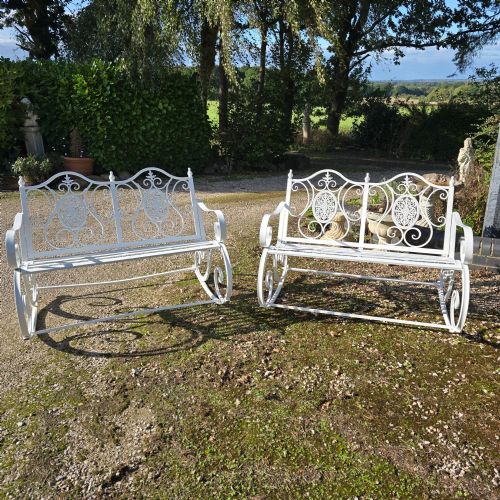
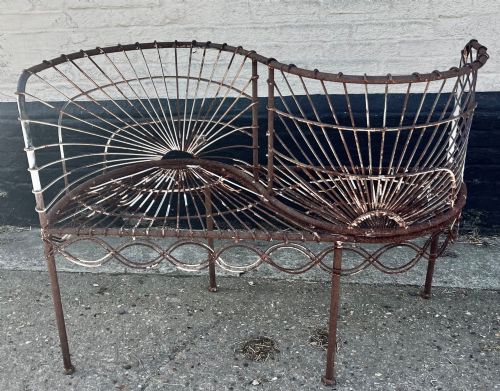
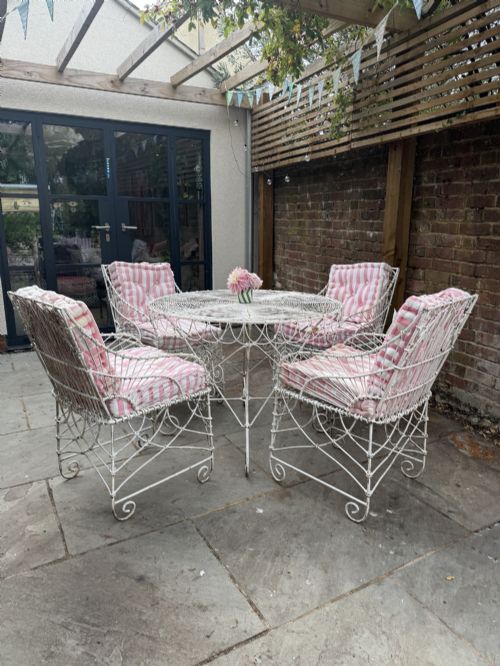
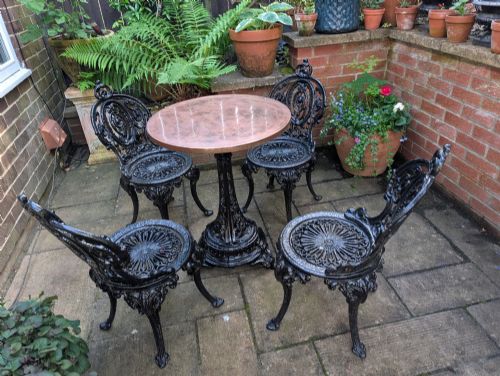
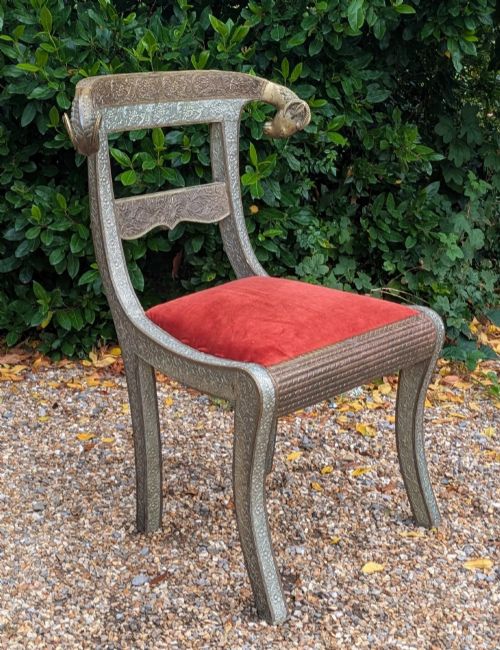
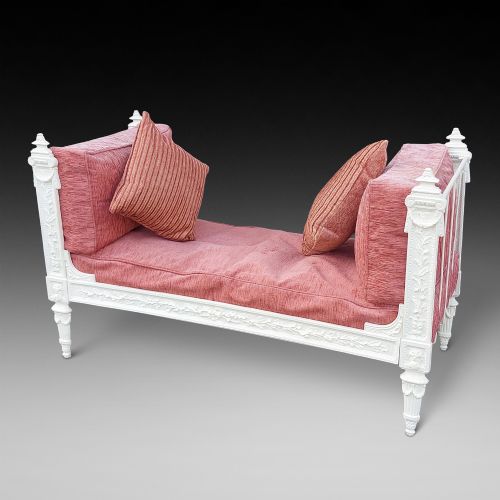
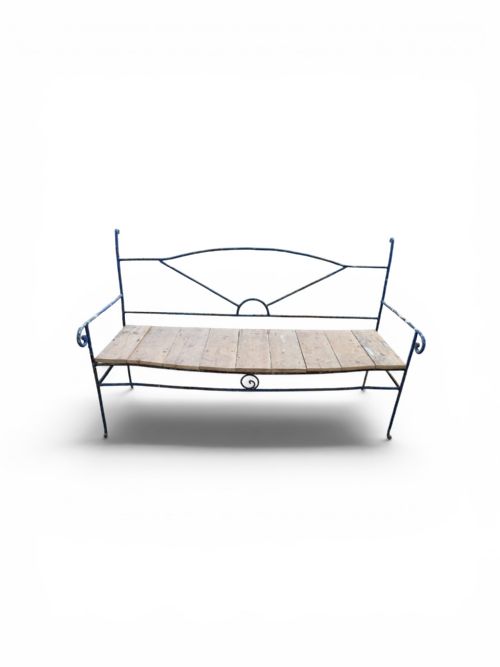
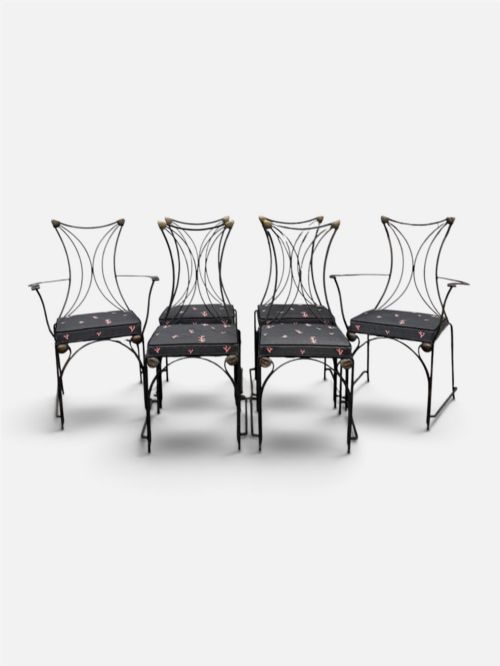
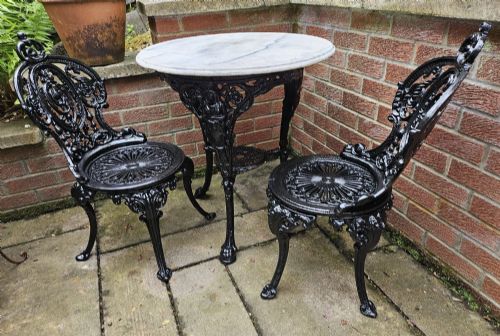
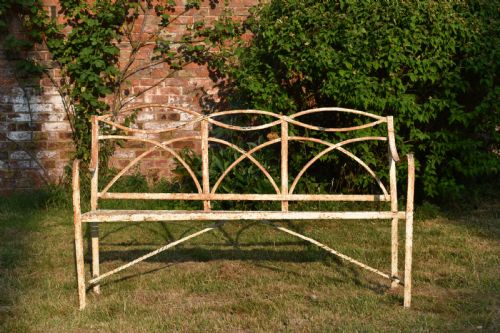
An antique metal chair encompasses a diverse range of seating forms spanning the Regency, Victorian, Edwardian, and later periods. These pieces include garden dining sets, armchairs, rocking chairs, folding chairs, and industrial workshop seating designed for both outdoor and interior utility.
The selections available on this page reflect robust manufacturing traditions from the nineteenth and early twentieth centuries. Buyers frequently encounter French country styles, Victorian wirework, Art Deco patio designs, and robust industrial revolving stools.
Materials and construction methods
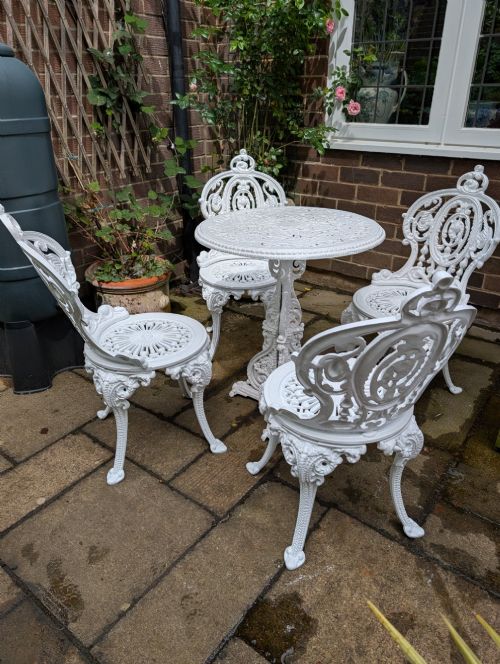
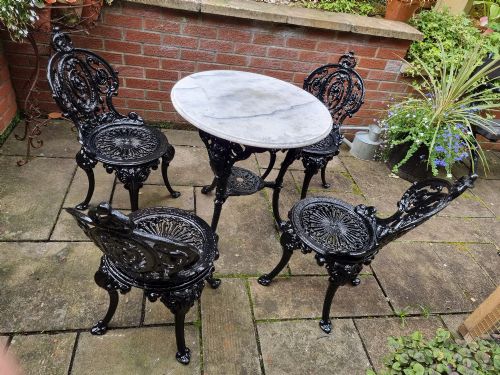
The primary structural materials seen across these listings are cast iron and wrought iron, frequently paired with timber, brass, paint, leather, and fabric elements. Cast iron allowed makers to produce intricate details such as lion masks and elaborate strapwork, while wrought iron provided flexible strength for curved frames.
Makers utilised riveting and casting techniques to assemble durable armchairs, benches, and folding mechanisms. Industrial workshops and domestic foundries applied surface treatments like paint to protect the metal from weathering.
Antique Metal Chair Retail Price Guide 2026
Typical asking prices for metal chair among the pieces listed under this phrase on Sellingantiques today, from the lower quarter to the upper quarter. They describe what is for sale here now, not the wider market.
Listings feature materials including wrought iron, cast iron, brass, timber, leather, and fabric across multiple decorative styles.
Distinguishing quality in metal seating
Quality varies significantly in the crispness of the casting and the complexity of the design, such as refined Regency strapwork or detailed Victorian wirework. Heavier castings and pieces retaining original structural integrity represent superior manufacture compared to lighter, utilitarian alternatives.
The presence of matching elements within a set and the original decorative surface finish also differentiate standard production items from rarer workshop examples.
Christopher Dresser·R W Wingfield·Evertaut
The Antique Metal Chair Glossary
- Cast iron
- A sturdy alloy poured into moulds to create decorative garden furniture and structural components. It allows for intricate ornamentation such as floral motifs and animal masks.
- Wrought iron
- Iron heated and hammered into shape by hand or machine, known for its fibrous texture and durability. It provides strong, graceful lines for garden benches and chairs.
- Strapwork
- Ornamental work consisting of flat, narrow strips of metal arranged in geometric patterns. It is frequently found on Regency and Victorian garden seating.
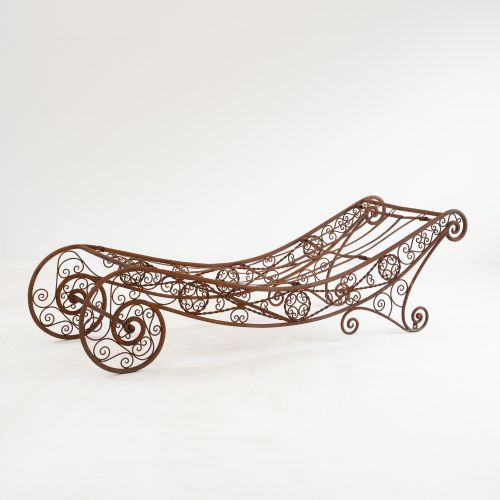
- Wirework
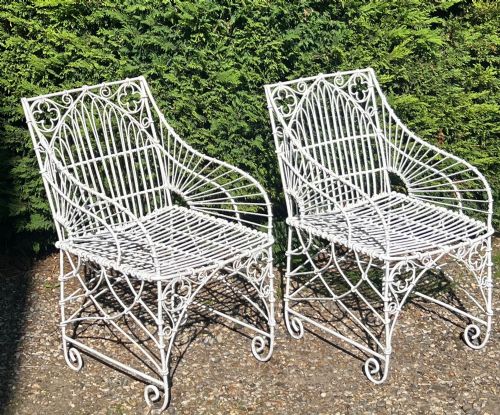
- Metal rods or wire bent and interwoven to form light, intricate garden chairs and plant stands. This technique gained popularity during the Victorian era.
- Industrial workshop chair
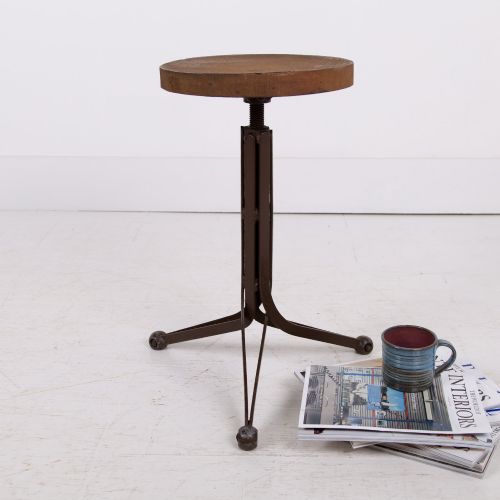
- Practical, heavy-duty seating designed for factories and offices rather than domestic parlours. Examples include revolving stools with iron and wood construction.
Antique Metal Chair: Frequently Asked Questions
Can antique metal chairs stay outside all year?
Most cast iron and wrought iron garden seats are built to withstand outdoor conditions. However, regular maintenance of painted surfaces helps prevent rust.
Storing pieces indoors or using protective covers during harsh winter months prolongs their lifespan.
How do I identify a Victorian metal chair?
Victorian examples often feature ornate cast iron patterns, heavy frames, or delicate wirework constructions. Look for stylistic cues typical of the nineteenth century.
Documented periods in the listings also point towards specific manufacturing eras and design characteristics.
Are folding iron chairs sturdy enough for daily use?
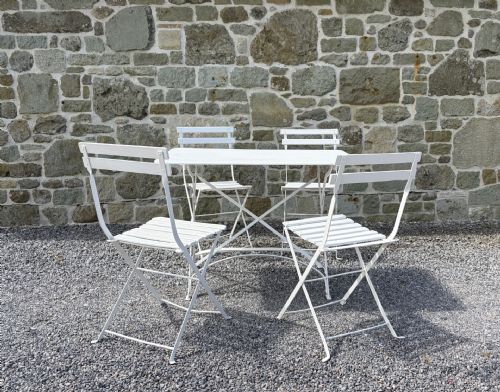
French folding iron chairs are engineered for practical utility and portability. Their hinged mechanisms allow for easy storage.
When properly maintained, these folding designs offer reliable seating for gardens and patios.
What is the difference between cast iron and wrought iron?
Cast iron is poured into moulds, resulting in heavier, highly detailed pieces with rigid structures. Wrought iron is manipulated by hand, offering greater flexibility and fibrous strength.
Both materials appear frequently across nineteenth and twentieth-century seating.