





Antique Metal Caddy
An antique metal caddy is a durable storage vessel for tea, biscuits or dry goods, prized for its hand-painted surfaces and robust construction.
Antique Metal Caddy
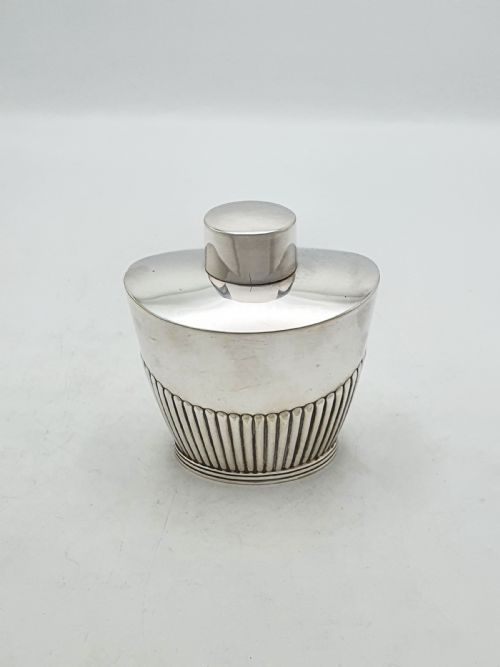
When you search for an antique metal caddy, you are looking at utilitarian boxes and canisters designed to preserve tea leaves, store biscuits or hold household provisions. These containers range from Georgian and Regency specimens to Edwardian and Art Deco examples produced in tin, toleware, brass and silver plate.
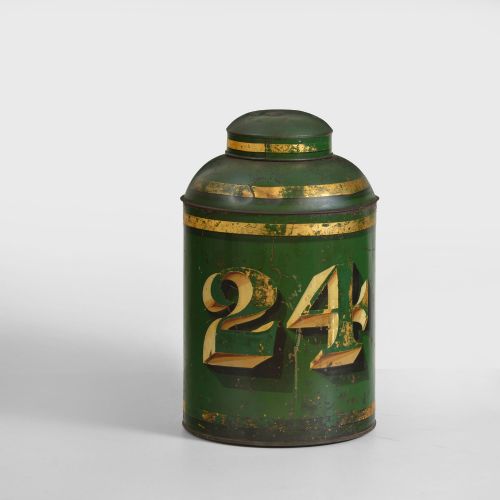
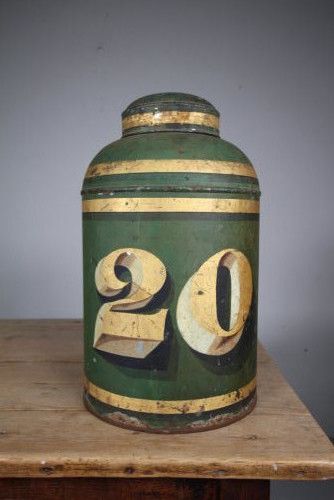
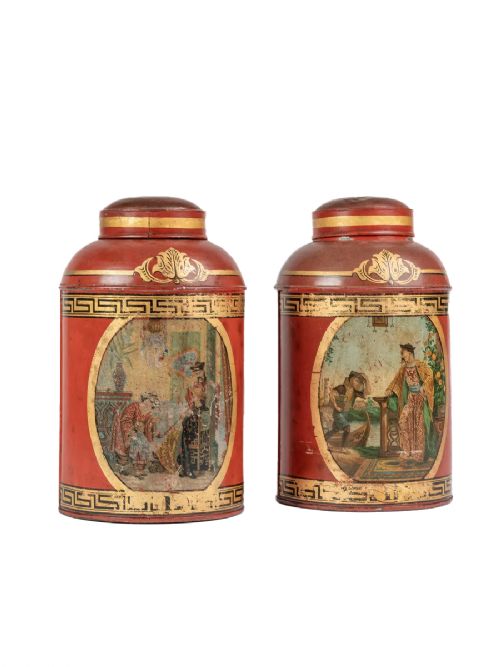
The version you are most likely to meet on this page is the painted toleware tea canister or the novelty biscuit tin from the nineteenth and early twentieth centuries. These pieces span simple country house kitchen buckets and decorative boxes to ornate silver plated tea canisters.
How they were made
Materials span sheet iron, tinplate, brass and copper, frequently paired with applied finishes like hand-applied paint, japanning or silver plating. Makers shaped sheet metal by hand or press, soldering seams and constructing hinged lids for functional storage.
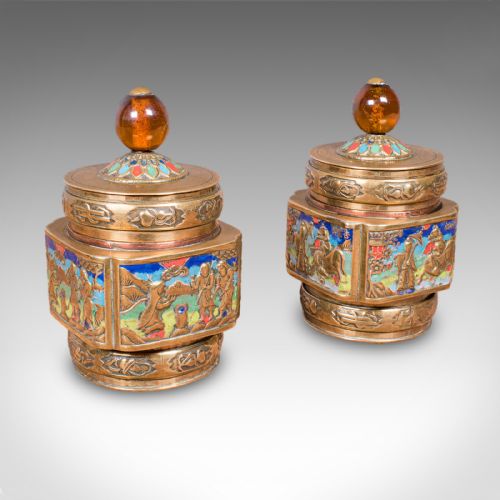
Decoration relied on artistic craftsmanship, including intricate hand-painting on toleware, chased or chiselled brass detailing, and silver plating over base metals. Some novelty pieces utilised metalwork to imitate carved wood or shaped forms like books and hats.
Some Victorian biscuit tins were cleverly engineered to look like stacked leather-bound books, ready to trick guests into expecting literature instead of snacks.
What varies in quality
Quality rests upon the crispness of the original metalwork, the integrity of the soldered joints, and the preservation of hand-painted or plated surfaces. Superior examples retain their original structural rigidity and clear decorative motifs without heavy distortion.
The distinction between standard utility items and finer pieces lies in the depth of surface ornamentation, such as detailed chiselling on brass or careful polychrome painting on toleware canisters.
Mappin & Webb·Huntley & Palmers·John Grinsell & Sons·W.M.F.
The Antique Metal Caddy Glossary
- Toleware
- Tin-plated steel or iron that has been painted or japanned with decorative finishes. This technique was widely utilised for domestic tea canisters and spice boxes during the Georgian and Victorian periods.
- Silver Plate
- A thin layer of silver fused to a base metal such as copper or Britannia metal. This process provided the visual appeal of solid silver at a lower production cost for Victorian and Edwardian tablewares.
- Jappaning
- A type of European finish that emulated Asian lacquer work by applying layers of varnish and heat-curing them. It protected metal containers while offering a glossy dark background for painted motifs.
- Biscuit Tin
- A decorative metal container manufactured to hold commercially produced biscuits. Makers often shaped these novelty tins into books, hats or architectural forms during the Edwardian era.
Antique Metal Caddy: Frequently Asked Questions
What was an antique metal caddy used for?
These metal containers served primarily to store dry foodstuffs like tea leaves, spices and biscuits away from moisture and light in period kitchens and drawing rooms.
Over time, many transitioned into decorative tabletop accessories or general trinket boxes as domestic storage habits evolved.
How do I date an antique metal caddy?
Dating relies on examining the manufacturing techniques, such as hand-soldered seams versus machine stamping, alongside stylistic indicators like Georgian painted motifs or Art Deco geometric lines.
Maker marks, stamps and specific patent numbers found on the base or interior also help pinpoint the exact period of production.
How do I clean and maintain my metal caddy?
Dust the surface gently with a soft, dry cloth and avoid chemical metal polishes that can strip away original painted or japanned finishes on toleware items.
Keep these containers in stable indoor environments away from dampness to protect the underlying iron, tin or silver plate from corrosion.
Are novelty biscuit tins collectible?
Novelty biscuit tins produced by commercial bakers in whimsical shapes like books and hats are highly sought after by collectors today for their imaginative designs.
Their appeal lies in how well the lithographed or painted metal decoration has survived years of handling and domestic use.