





Antique Metal Bookends
These antique metal bookends range from bronze lions to Art Deco figures, built to steady shelves with distinct weight and character.
Antique Metal Bookends
When you search for antique metal bookends, you encounter heavy functional sculptures designed to anchor rows of volumes on desks and libraries. The selections here span the nineteenth century through the Art Deco period of the nineteen-thirties, reflecting diverse aesthetic movements.
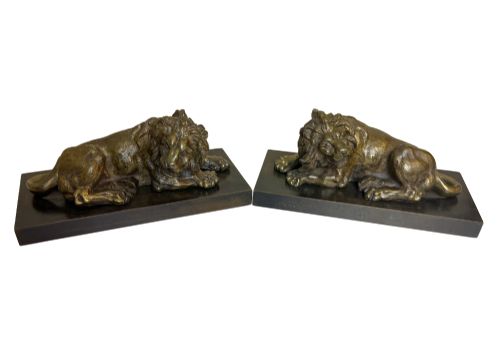
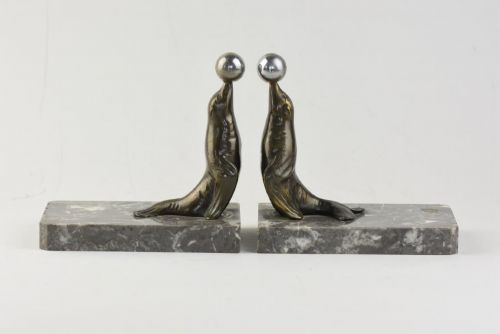
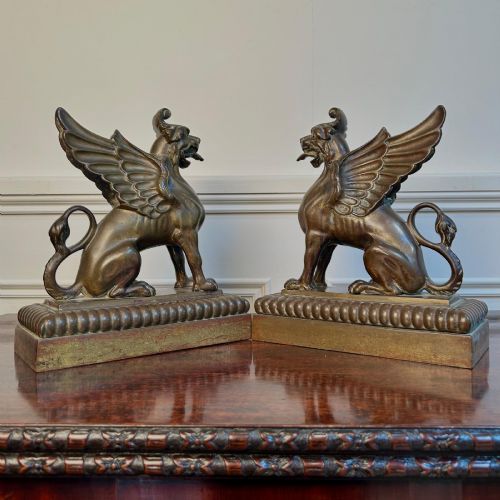
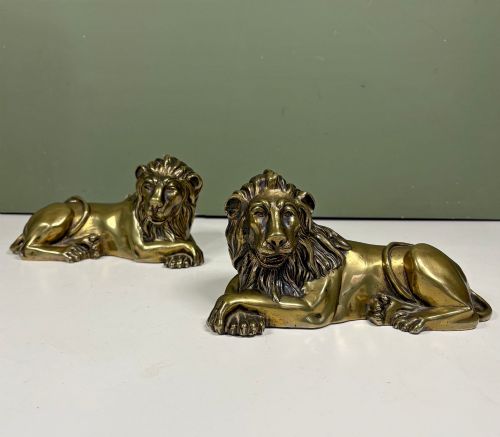
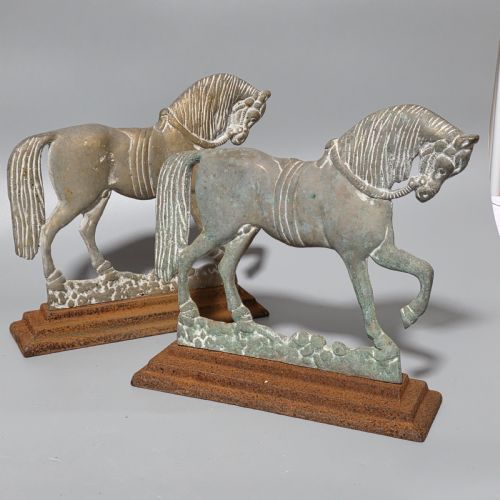
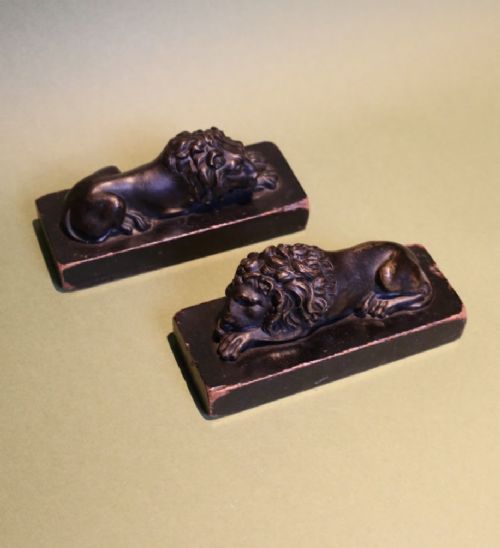
Most entries appear as matched pairs featuring animals, classical figures or architectural motifs. Lions, sea-lions, owls, elephants and literary subjects dominate the inventory, cast in solid metals or mounted upon heavy stone bases.
Origins stretch across British, French, American and Italian workshops. You find works ranging from grand tour souvenirs to commercial domestic pieces made for the Edwardian and interwar interior.
Casting and finishing methods
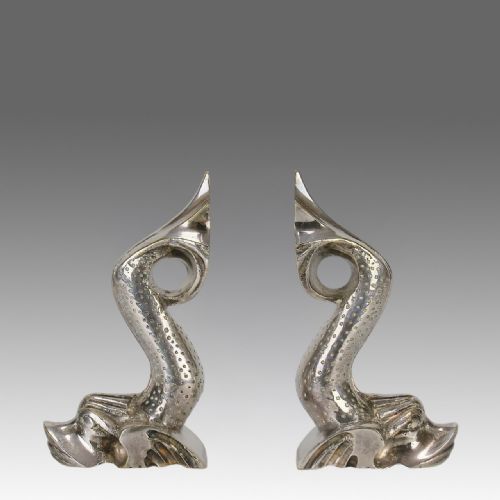
Foundries utilised bronze, brass, cast iron, spelter and gilt bronze, often pouring molten metal into detailed sand or lost-wax moulds. Many figures received patination, silvering, gilding or cold-painted highlights to enhance texture and depth.
Makers frequently combined materials, anchoring metal sculptures onto heavy marble, alabaster, olive wood or stone bases to provide the necessary counterweight for holding books upright.
Antique Metal Bookends Retail Price Guide 2026
Typical asking prices for metal bookends among the pieces listed under this phrase on Sellingantiques today, from the lower quarter to the upper quarter. They describe what is for sale here now, not the wider market.
Listings feature items dated across the nineteenth century, nineteen-hundreds, nineteen-tens, nineteen-twenties and nineteen-thirties.
Distinctions in execution and material
Quality rests in the crispness of the casting detail and the integrity of the base materials. Finer examples display sharp chasing and careful finishing by hand, whereas utilitarian pieces rely on simpler cast textures.
The choice of medium alters the character entirely, moving from dense, warm-patinated bronze to lighter spelter alloys or robust cast iron. The weight of the backing and the quality of the stone base dictate how securely the pair performs its task.
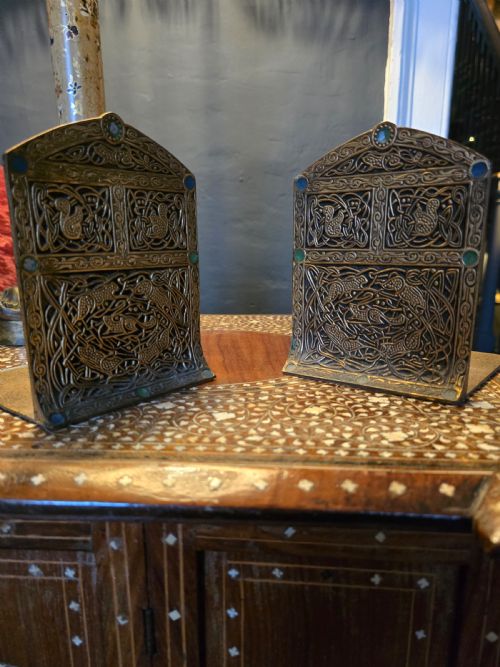
Tiffany Studios New York·F Abella & Sons·C Omin·Herzig
The Antique Metal Bookends Glossary
- Spelter
- A zinc-based alloy frequently used as a cost-effective alternative to bronze in decorative figures. It accepts patination well but possesses a lighter weight.
- Patination
- The surface coloration and sheen developed naturally over time or applied chemically by the foundry. It protects the metal and defines the visual depth of the sculpture.
- Grand Tour
- A cultural journey undertaken by nineteenth-century travellers who acquired miniature bronzes of classical monuments and sculptures as keepsakes. These items often found a second life adapted as heavy book supports.
- Cold Painted
- A technique where oil or enamel paint is applied to cold metal without subsequent firing. This finish appears frequently on smaller animal figures and requires gentle handling.
- Egyptian Revival
- A nineteenth-century design style drawing on pharaonic motifs such as sphinxes and hieroglyphs. It surfaces in heavy bronze and gilt desk accessories.
Antique Metal Bookends: Frequently Asked Questions
How heavy are antique metal bookends?
Most pairs possess substantial weight derived from dense metals like bronze and cast iron, often supplemented by heavy marble or stone bases.
This mass ensures they hold rows of heavy volumes firmly in place without slipping.
What periods do these bookends represent?
The pieces span the nineteenth century, the Victorian era, Edwardian times and the Art Deco period of the nineteen-thirties.
Stylistic shifts move from classical revivals and gothic forms toward streamlined modernist silhouettes.
How do I identify spelter from bronze?
Spelter is a softer zinc alloy that feels lighter and shows a duller sound when tapped, whereas bronze offers greater density and a warmer resonance.
Examination of the underside or worn areas often reveals the paler grey metal beneath spelter patination.
Were all pairs originally made as bookends?
Several heavy figures began life as architectural ornaments, doorstops or grand tour souvenirs before being adapted as book supports.
Foundries and later owners frequently converted matched animal sculptures for library use.