



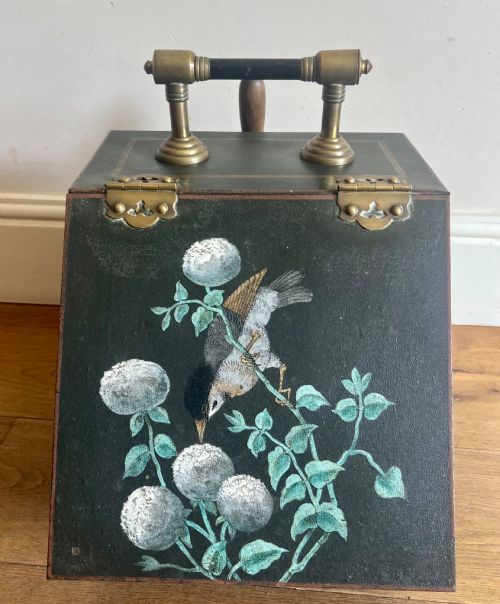

Antique Metal Bin
An antique metal bin brings honest utility and enduring warmth to a hearth, combining heavy gauge copper, brass and iron with practical domestic purpose.
Antique Metal Bin
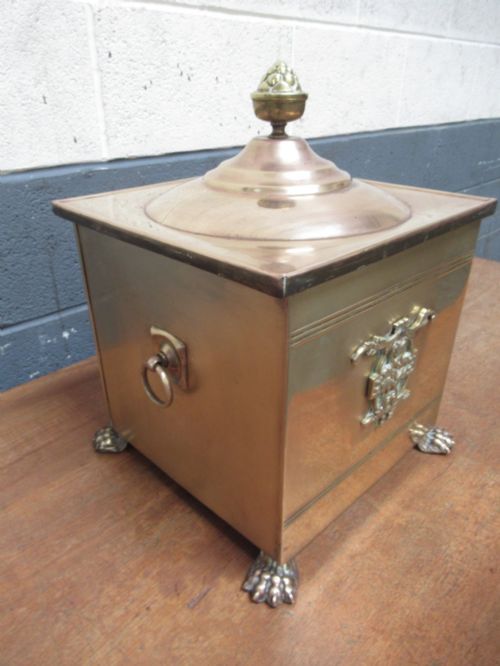
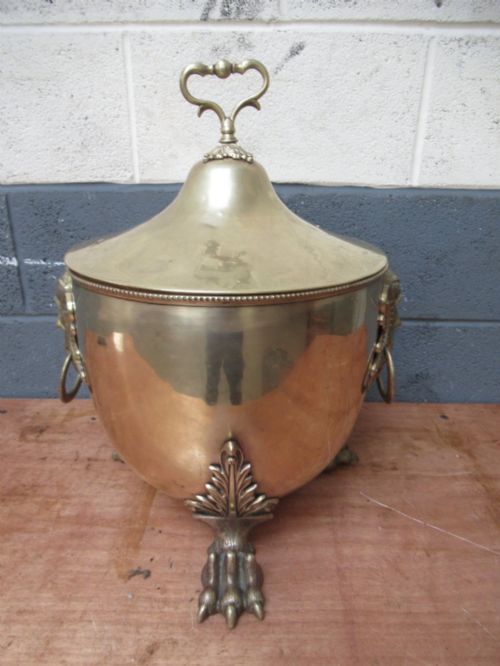
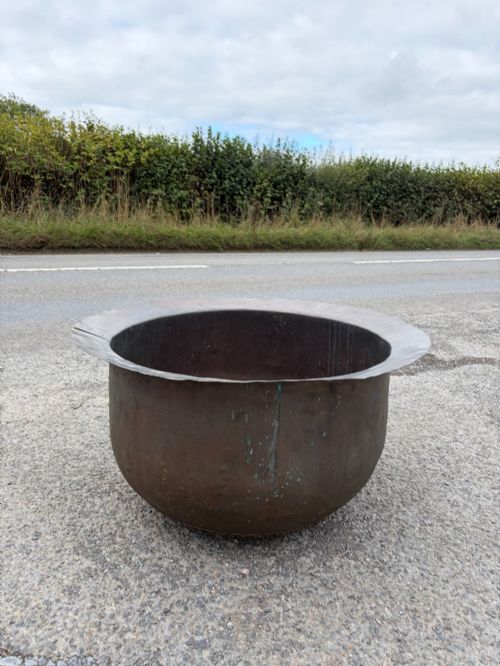
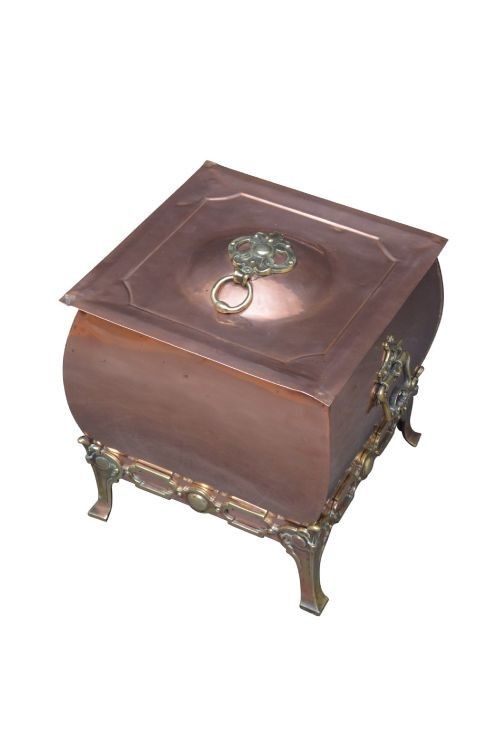
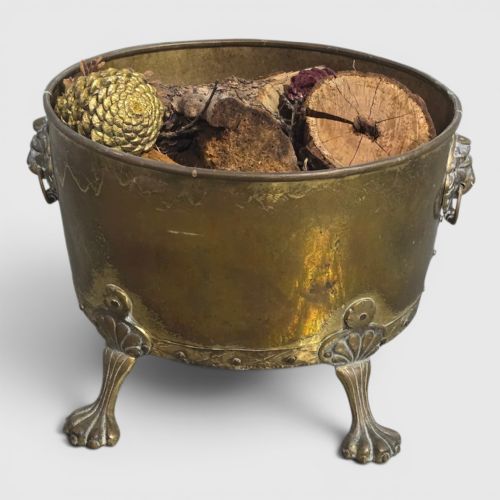
An antique metal bin encompasses robust vessels originally fashioned for household labour, ranging from fireside coal scuttles and log buckets to wash tubs, tea canisters and garden planters. The pieces available span the nineteenth century through to the Edwardian period and the interwar decades, reflecting practical domestic and industrial origins.
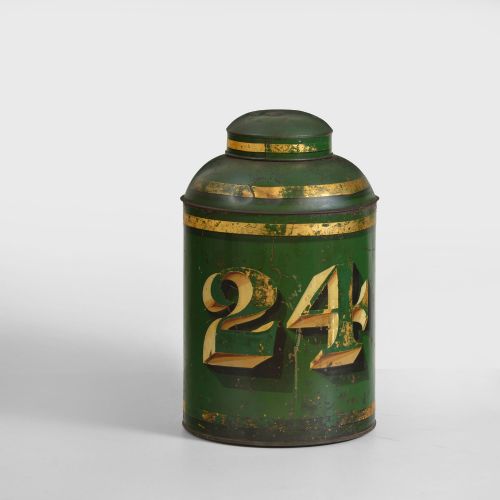
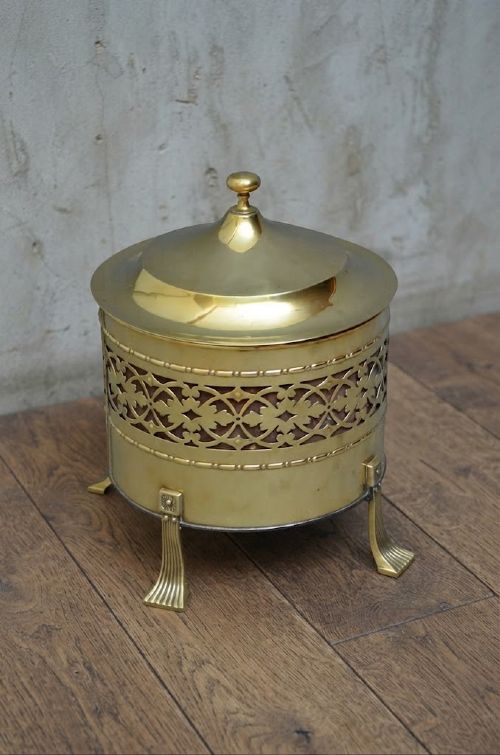
Buyers encounter substantial copper pots, brass buckets with fretwork designs, iron frames and painted toleware boxes. Many vessels crossover in function, serving equally as hearth accessories, planters or decorative storage containers within country houses and urban interiors alike.
Materials and construction methods
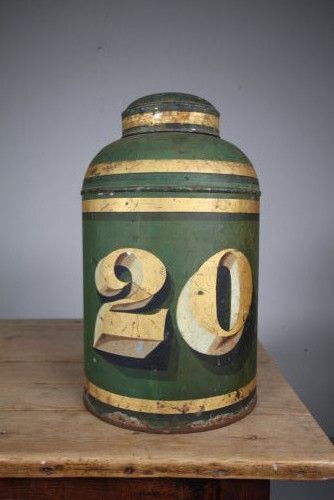
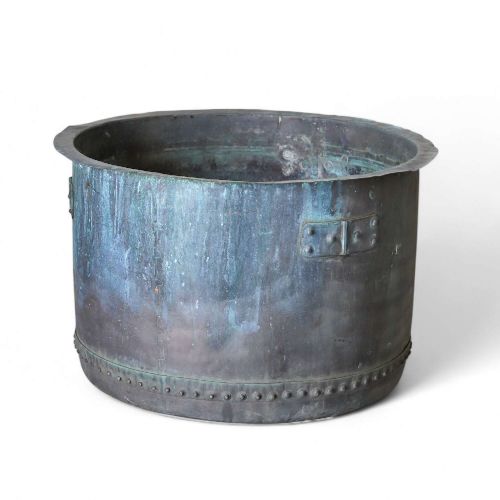
Makers utilised heavy sheet copper, cast and spun brass, wrought iron and painted tinplate known as toleware. Hand-riveting is common on large copper pots and coal buckets, securing overlapping seams with structural metal pins.
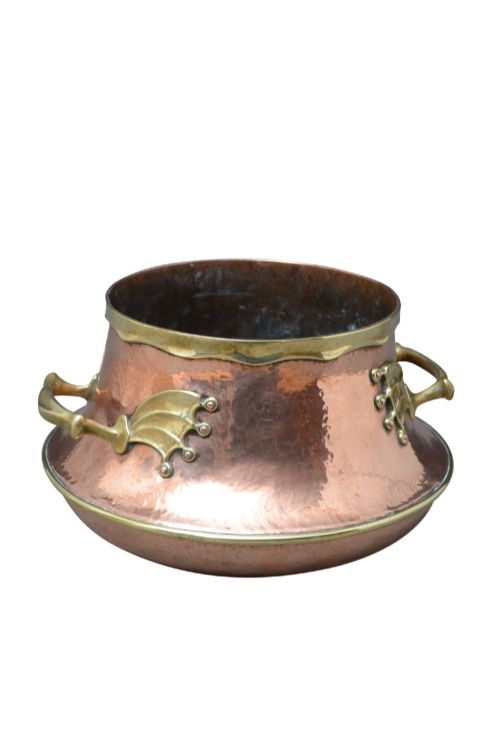
Surface finishes include hammered detailing, patinated verdigris, and original painted decoration on toleware storage tins. Iron handles, swing bails and occasional wooden liners complete the construction of these durable vessels.
Antique Metal Bin Retail Price Guide 2026
Typical asking prices for metal bin among the pieces listed under this phrase on Sellingantiques today, from the lower quarter to the upper quarter. They describe what is for sale here now, not the wider market.
Listings feature materials spanning copper, brass, wrought iron, and painted toleware across the nineteenth and early twentieth centuries.
What separates the standard
The distinction between standard utility items and exceptional examples lies in the weight of the metal gauge, the crispness of hand-hammered detailing, and the integrity of structural joins like hand-cut rivets. Superior vessels retain original surface patination, uncompromised handles, and well-preserved structural framing without heavy modern intervention.
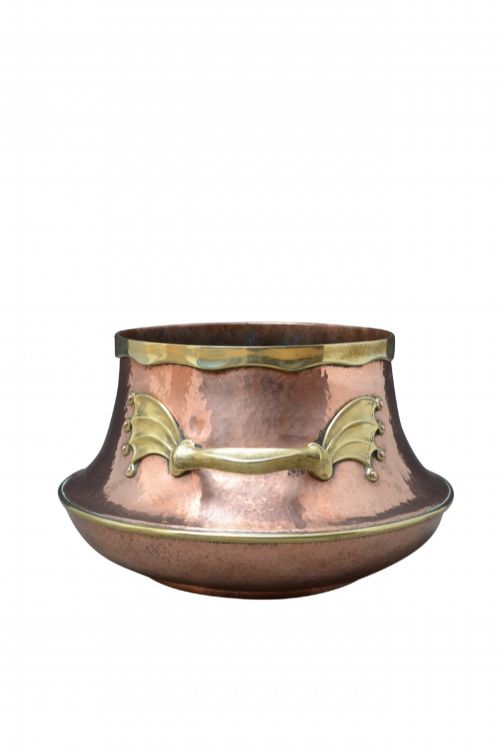
Design ambition also elevates certain pieces, such as Arts and Crafts vessels featuring thoughtful fretwork or period specific stylistic motifs, distinguishing them from plain utilitarian workshop containers.
Richard Arkwright Masson Mills
The Antique Metal Bin Glossary
- Toleware
- Painted or lacquered metalware, typically tinplate or iron, decorated with hand-painted motifs or Japanning. It frequently appears in domestic kitchen and pantry containers.
- Verdigris
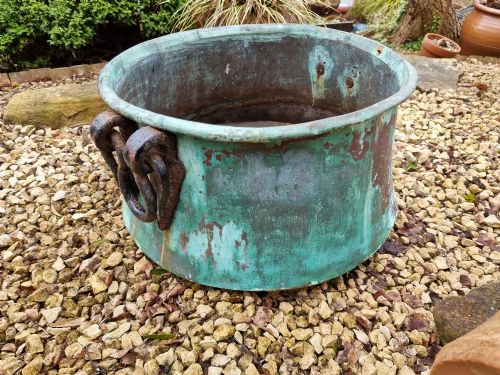
- The green patina that forms naturally on copper, brass or bronze through atmospheric oxidation over decades. Collectors value this surface layer for its visual depth and proof of age.
- Jardiniere
- An ornamental pot or stand designed to hold growing plants or floral arrangements. These vessels often double as decorative metal bins in period interiors.
- Bail handle
- A semi-circular arched metal handle attached by pivots to opposite sides of a bucket or bin. It enables balanced lifting of heavy loads like coal or water.
Antique Metal Bin: Frequently Asked Questions
What were antique metal bins used for?
These bins served practical daily roles in historic households, primarily holding coal or kindling beside the fireplace, storing dry goods in kitchens, or carrying water and laundry. Their robust construction made them essential for heavy domestic labour.
Today, buyers repurpose these durable containers as log holders, indoor plant pots, umbrella stands or decorative storage pieces that anchor a room's interior scheme.
How do I clean a copper metal bin?
Cleaning depends entirely on the finish you prefer to keep in your home. Many collectors appreciate a deep, natural patina with traces of verdigris and age, requiring only a gentle wipe with a dry cloth.
If you choose a brighter appearance, a mild proprietary copper cleaner used sparingly will restore the metallic shine without removing the character of hand-hammered surfaces.
Are brass and copper bins safe for logs?
Both copper and brass are robust metals well-suited to holding heavy loads of firewood and kindling. Their solid bases and sturdy metal or iron handles withstand the abrasive nature of rough timber.
Ensure the interior is dry before storing logs to prevent moisture retention against the metal base over long periods.
How can I tell a Victorian bin from an Edwardian one?
Victorian metal bins often display heavier hand-riveted construction, utilitarian robust forms, and darker, heavier patination suited to industrial or country house service. They prioritize absolute strength over ornamentation.
Edwardian examples frequently incorporate lighter brass elements, decorative fretwork designs, and refined stylistic influences from the Arts and Crafts movement or Art Nouveau.