




Antique Mechanical Display
An antique mechanical display brings motion and ingenuity to a room, offering moving parts and craftsmanship that modern objects simply cannot match.
Antique Mechanical Display
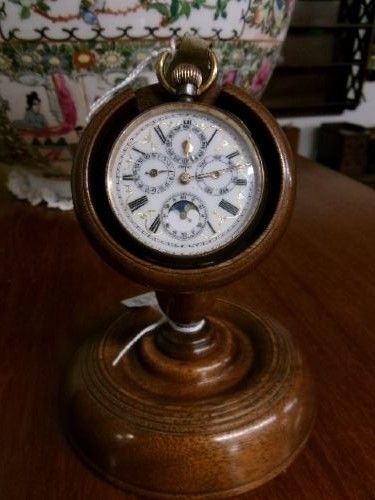
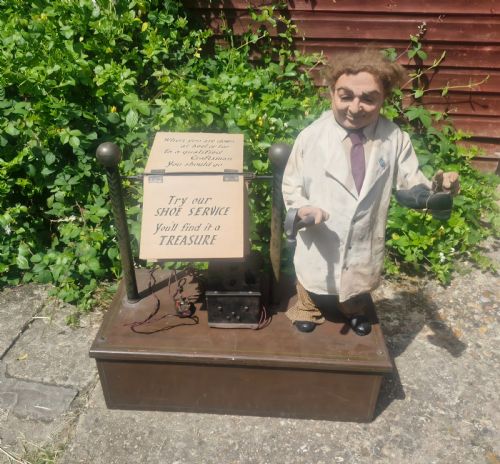
When you search for antique mechanical display, you are looking at items designed to move, measure, or showcase workings through ingenious engineering. These objects range from automated shop models and working windmills to scientific demonstration pieces and complex timepieces.
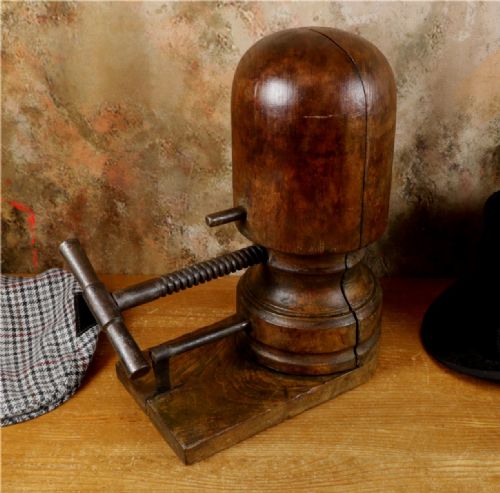
The versions you are most likely to meet on this page span the Victorian, Edwardian, and mid-century eras, often taking the form of industrial haberdashery, sewing machines, hat stretchers, and mechanical cabinets. They combine utility with motion, capturing an era when everyday mechanics were built to be seen.
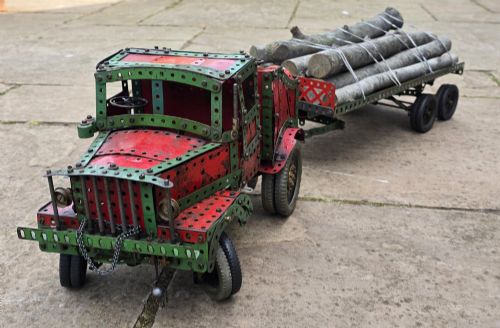
Many of these pieces originate from commercial or domestic settings where movement attracted attention or served a practical purpose. Whether it is a steam engine model or a dispensing cabinet, each item relies on physical interaction rather than digital prompts.
Materials and construction
Makers utilised robust combinations of wood, brass, cast iron, and steel to build mechanisms that would withstand continuous operation. Mahogany, oak, and other dense timbers formed the stable housings and cabinets for delicate internal movements.
Metal components were cast, machined, and hand-finished in brass, gunmetal, and steel to ensure smooth engagement of gears, springs, and levers. Glass panels were frequently incorporated to protect moving parts while keeping them visible to the observer.
Antique Mechanical Display Retail Price Guide 2026
Typical asking prices for mechanical display among the pieces listed under this phrase on Sellingantiques today, from the lower quarter to the upper quarter. They describe what is for sale here now, not the wider market.
Listings feature items spanning the Victorian, Edwardian, and mid-century eras, utilising wood, brass, cast iron, and glass.
Assessing quality and execution
Quality in an antique mechanical display rests upon the precision of the engineering and the complexity of the movement. Pieces with intricate gear trains, signed movements, and housing made from superior timbers stand apart from simpler utilitarian versions.
The integrity of the mechanism and the retention of original parts determine the standing of a piece. Finer examples show careful calibration in their moving parts and well-executed cabinetry that complements the mechanics within.
Le Roy et Fils·Gritzner & Co·Max Kohl·Baetens London
The Antique Mechanical Display Glossary
- Barograph
- A recording barometer that plots meteorological readings on paper using a mechanical arm. It translates atmospheric pressure changes into a continuous inked line.
- Fusee
- A conical pulley used in clockwork mechanisms to maintain even power as the mainspring unwinds. This ensures consistent timekeeping or movement regardless of the spring tension.
- Haberdashery
- Items and fittings originally used in shops for selling sewing goods and small textiles. In display contexts, it often refers to specialised cabinets and stretchers.
- Quarter Striking
- A clock mechanism that chimes at the quarter-hour intervals in addition to striking the full hour. It involves additional gear trains and hammers.
- Water Pressure Gauge
- A dial instrument used to measure fluid or steam pressure within a system. Industrial examples often utilise brass casings and glass viewing faces.
Antique Mechanical Display: Frequently Asked Questions
What is an antique mechanical display?
An antique mechanical display refers to objects that incorporate moving parts, clockwork, or visible mechanisms for demonstration or practical use.
These pieces include shop models, working miniatures, and scientific instruments from the nineteenth and twentieth centuries.
How were these mechanical items used?
Many were utilised in commercial shops to draw attention to goods, such as rotating displays or automated dispensing cabinets.
Others served as educational demonstration models in classrooms or workshops to explain steam power and physics.
How do I care for a mechanical display?
Keep the piece away from damp environments and direct sunlight to protect the wooden casings and metal components.
Avoid forcing any gears or springs that have grown stiff with age, and consult a professional restorer for servicing.
How can I tell the period of a piece?
The materials, typography on dials, and manufacturing techniques generally point to the era of production, such as heavy cast iron for Victorian items or streamlined forms for mid-century pieces.
Signatures, maker plaques, and patent dates marked on the metalwork also help pinpoint the time of manufacture.