




Antique Maritime Sculpture
Antique maritime sculpture encompasses carved figures, model boats and folklife objects carrying the sea into domestic rooms.
Antique Maritime Sculpture
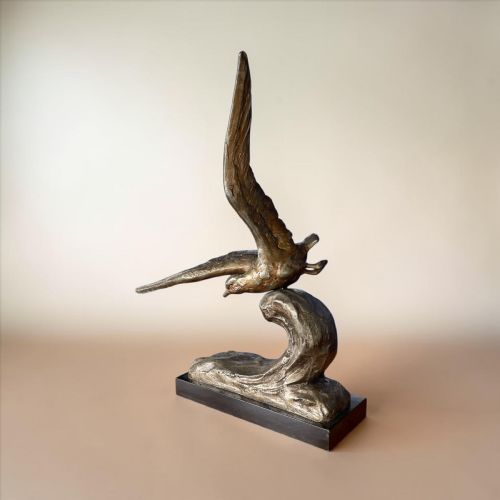
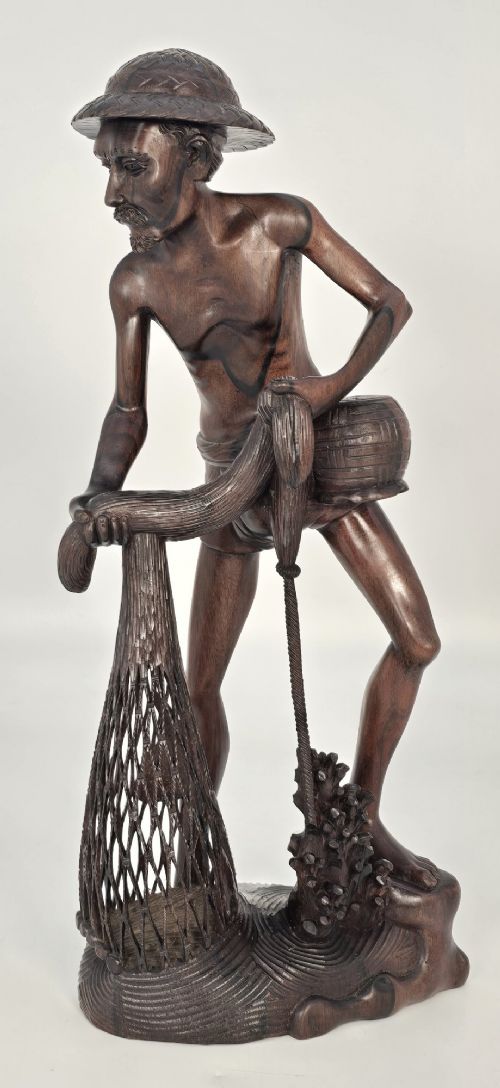
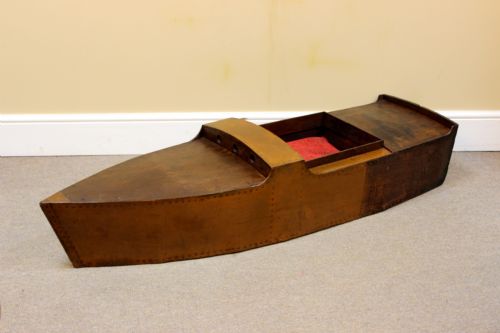
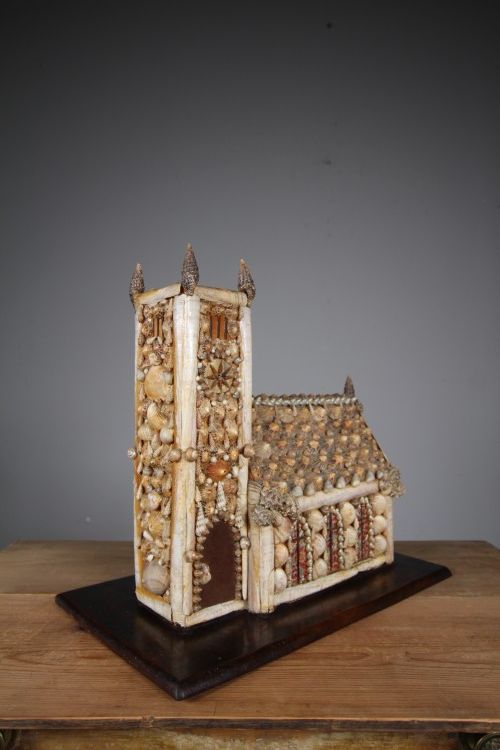
Antique maritime sculpture brings together carved wooden fishermen, model boats, shell work churches and bronze albatrosses made across the eighteenth, nineteenth and early twentieth centuries. These pieces emerge from folk art traditions and professional workshops alike, capturing naval gentlemen, luxury yachts and working vessels.
The version most commonly met on this page is the nineteenth century folk art carving, often executed in hardwood, pine or sycamore. Sailors, coastal inhabitants and amateur craftsmen produced these figures and models, utilising materials close to hand.
Alongside purely decorative models, the selection includes utilitarian forms adapted for display, such as wrought iron anchors, wall mounted tiller yokes and carved shop signs. Each object reflects the maritime trades and coastal life of its period, spanning Georgian origins through to Art Deco styling.
Assessing quality and execution
Quality in antique maritime sculpture rests upon the naturalism of the carving and the proportional accuracy of the form. Finer pieces demonstrate confident handling of facial expressions in figures like fisher boys or naval gentlemen, whereas simpler items rely on charming rustic stiffness.
The integrity of the materials and the survival of original surface finishes dictate the standing of a piece within its type. Sculptures retaining authentic polychrome paint, untouched patination on hardwoods or original mounting plinths command stronger interest than heavily restored examples.
A carved Pitcairn flying fish floats alongside bottled whimsies and a whirligig sailor signalman ready to turn in the coastal breeze.
The Antique Maritime Sculpture Glossary
- Folk art
- Objects created within a traditional community culture by self-taught or local makers rather than professional academicians. This term covers vernacular carvings and sailor work.
- Polychrome
- Painted in several colours. Many wooden figures and shop signs retain traces of these original decorative coatings.
- Half hull model
- A three dimensional representation of a ship hull built up from horizontal laminates of wood. Shipwrights used these to test hydrodynamics and display vessel designs.
- Spelter
- A zinc alloy frequently cast into figures and clock sets during the nineteenth century. It provides a cheaper alternative to bronze while accepting similar metallic finishes.
Antique Maritime Sculpture: Frequently Asked Questions
What is maritime folk art?
Maritime folk art comprises decorative and utilitarian objects made by sailors, coastal communities and self-taught artisans. These pieces interpret the sea through carved wooden figures, shell work and model boats.
Such items were produced for personal use, domestic display or local trade, capturing the everyday reality of nineteenth century coastal life.
How were ship models used?
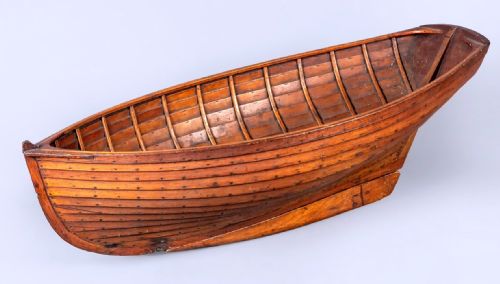
Ship models served as functional builders' references, presentation pieces for ship owners and decorative items in maritime homes. Detailed hulls and rigging displays recorded specific vessels or general naval architecture.
Over time, these models transitioned from working dockyard tools into cherished parlor ornaments.
How do I date carved wooden pieces?
Dating relies upon tool marks, timber selection, fastener types and stylistic indicators associated with known periods like the Georgian or Victorian eras. Hand-forged iron nails and early-cut lumber provide reliable chronological markers.
Comparing the subject's clothing and posture against contemporary portraiture also helps establish a period of manufacture.
Where were sailor shell work pieces made?
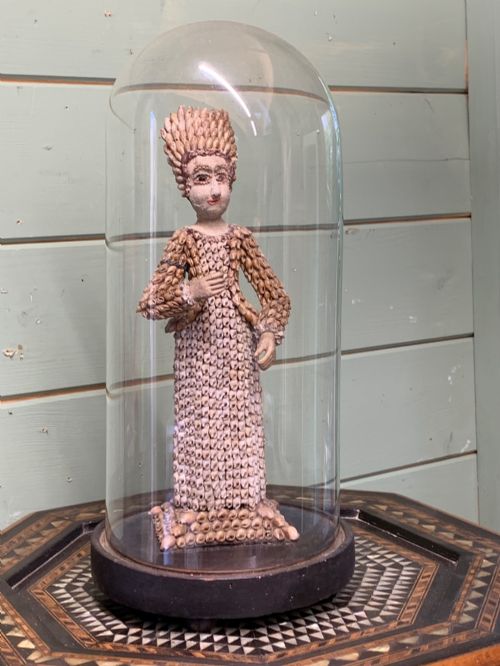
Sailors and coastal inhabitants assembled shell work churches, frames and figures during long voyages or while stationed at ports. Crafters pressed thousands of tiny seashells into mortar or putty over wooden armatures.
These elaborate souvenirs were brought home to families or sold in coastal port towns.