
Antique Marble Top
An antique marble top brings a cool, enduring surface to everything from console tables to bedside cabinets.
Antique Marble Top
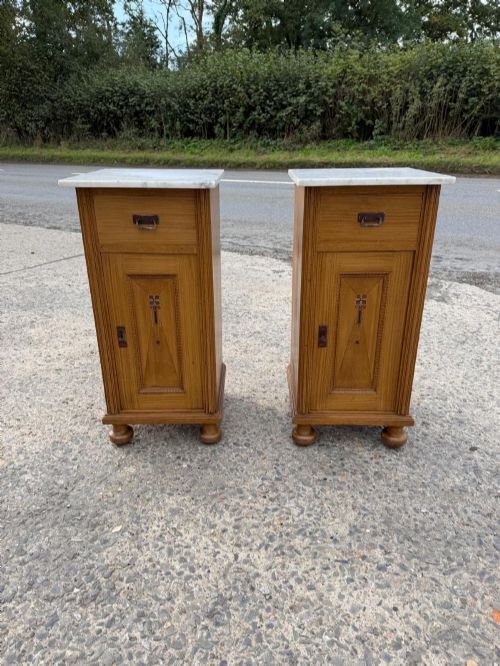
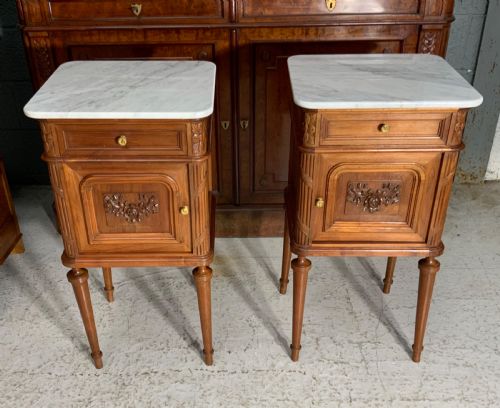
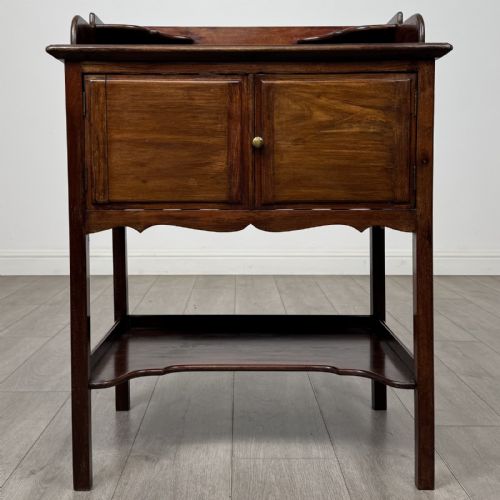
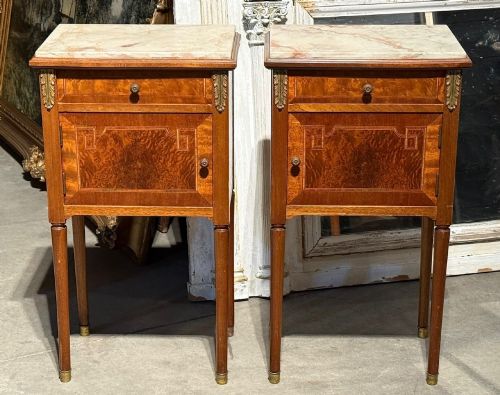
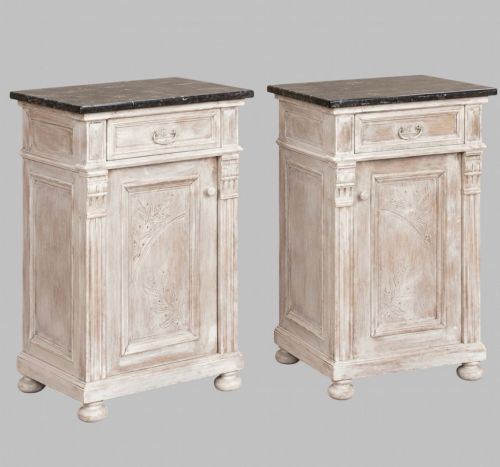
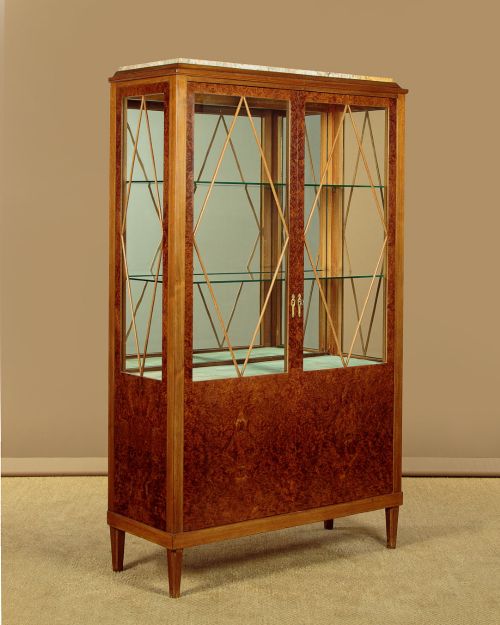
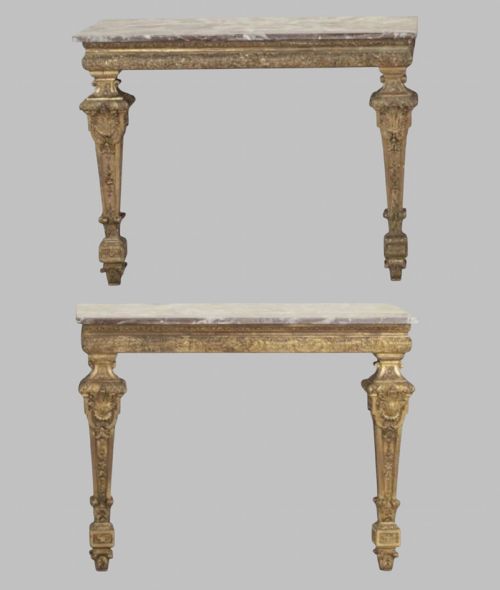
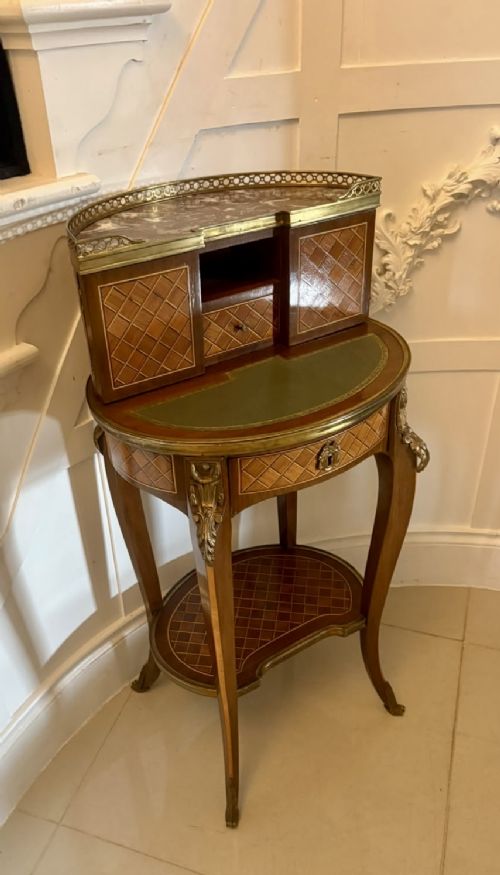
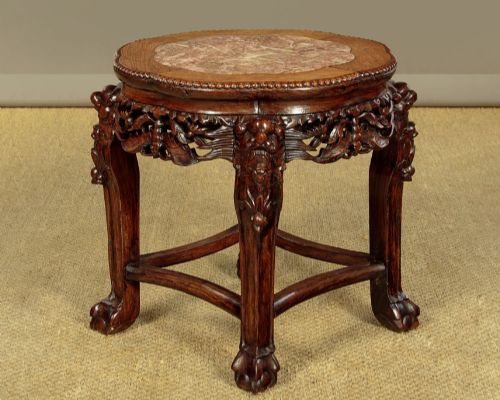
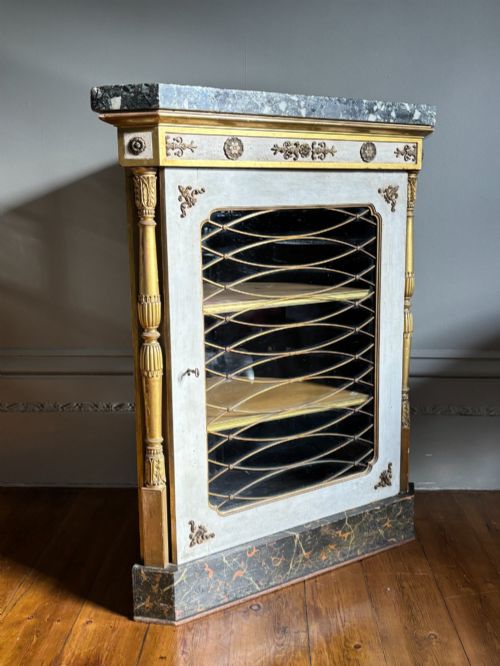
When you search for an antique marble top, you encounter a wide variety of functional furniture designed to withstand daily use while providing a smooth, hard-wearing counter. The selection includes console tables, washstands, chests of drawers, and bedside cabinets suited to domestic interiors.
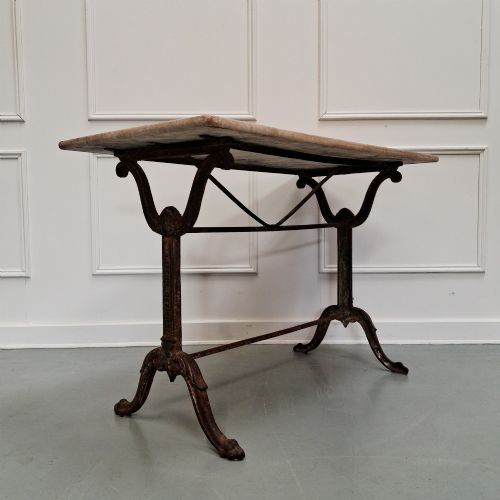
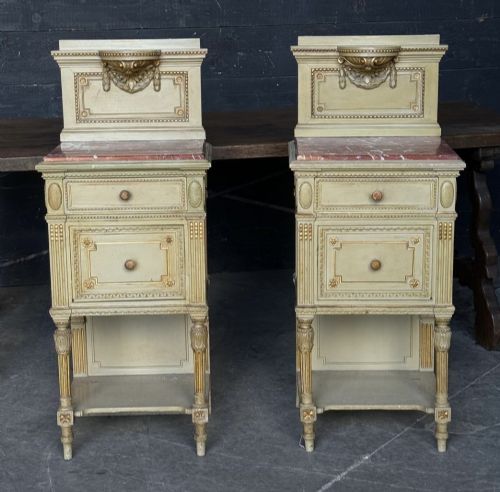
Victorian and twentieth-century examples dominate the offerings, spanning French chateau styles, Louis XVI revivals, and simpler bistro forms. These items combine timber carcases or metal bases with fitted stone slabs.
Originating largely from British, French, and Italian workshops, the surviving pieces reflect a tradition of mounting heavy stone onto supportive wooden or cast iron frames. The marble itself often contrasts sharply with darker woods like mahogany, walnut, or kingwood.
Materials and Construction
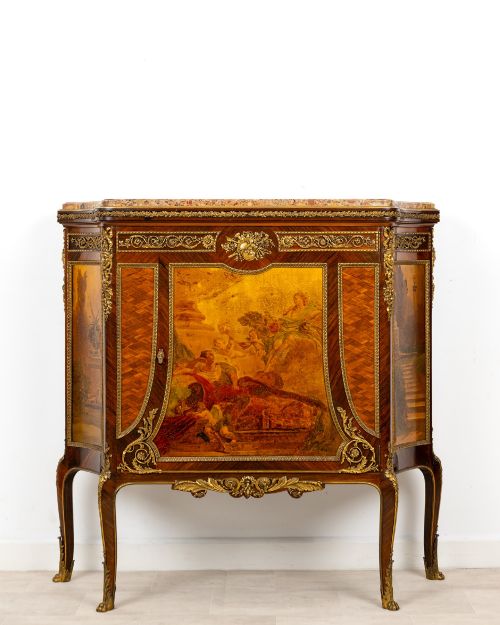
Cabinet makers utilised dense hardwoods such as mahogany, walnut, and oak to build supportive frames capable of bearing the heavy weight of stone slabs. Ormolu mounts, gilt-bronze details, and brass fixtures frequently decorate the exterior joins and corners.
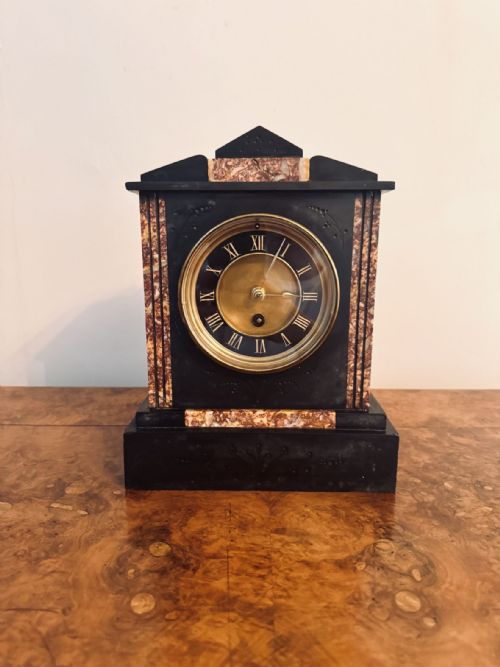
The stone surfaces range from plain white or black varieties to complex specimen marbles, breccia, and rouge marble. Craftsmen cut, shaped, and polished these slabs to fit precisely into the wooden or metal rebates of tables, commodes, and washstands.
Listings feature items spanning the nineteenth and twentieth centuries, utilising materials such as mahogany, walnut, ormolu, giltwood, and various coloured marbles.
Distinctions in Quality
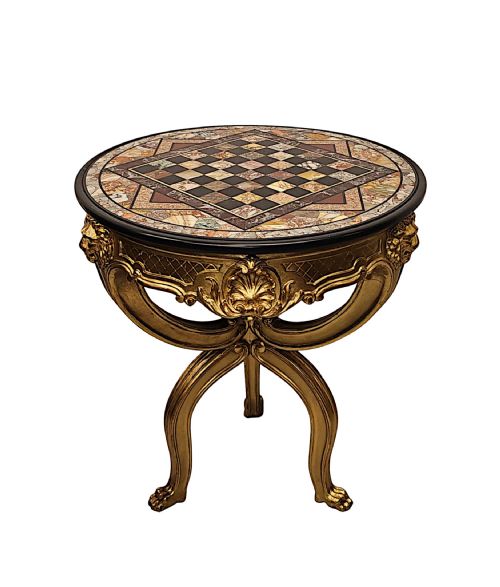
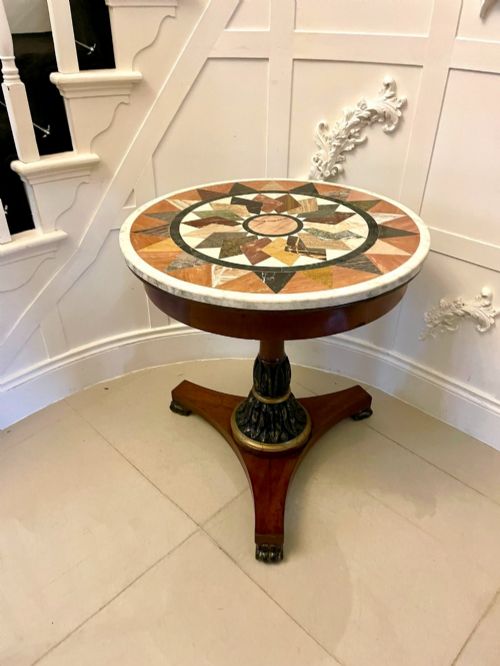
The refinement of the stone cutting and the complexity of the marble figure dictate the initial visual impact of a piece. Specimen marble tops composed of geometric tile arrangements or multi-coloured mosaics demonstrate greater artisanal effort than solid white slabs.
Frame construction also defines the tier of the piece, with hand-carved giltwood, precise parquetry in kingwood or amboyna, and heavy cast ormolu mounts separating standard production items from workshop masterpieces.
François Linke·Epstein
The Antique Marble Top Glossary
- Ormolu
- Gilded bronze mounts applied to the corners, aprons, and legs of furniture. This technique was widely utilised on French tables and cabinets.
- Parquetry
- Geometric wood veneer patterns arranged on the exterior surfaces of commodes and desks. It creates a textured, decorative pattern across the timber carcase.
- Breccia
- A composite marble made of angular rock fragments embedded in a fine-grained matrix. It presents a mottled, multi-coloured surface on console tables and commodes.
- Specimen marble
- A top constructed from various types of polished stone arranged in geometric or pictorial designs. Grand Tour examples often feature this detailed stonework.
- Commode
- A low chest of drawers or cabinet designed for domestic storage. These frequently feature heavy stone tops above multiple timber drawers.
Antique Marble Top: Frequently Asked Questions
How do I clean an antique marble top?
Wipe the surface regularly with a soft damp cloth using plain warm water. Avoid acidic cleaners, vinegar, or harsh detergents that etch the polished stone.
Dry the slab thoroughly with a clean lint-free cloth to maintain the natural sheen without damaging the historical finish.
Are antique marble tops fixed to the base?
Most marble slabs on tables, commodes, and washstands rest entirely under their own considerable weight. This allows the heavy stone to be lifted off for easier transport and relocation.
Some smaller bedside cabinets or fitted washstands may secure the stone within a wooden rebate, but traditional console and table tops remain loose.
Can I use a washstand in a modern bathroom?
Washstands were originally built to hold washbowls and pitchers in bedrooms before modern plumbing. The water-resistant stone surface makes them suitable for contemporary bathroom or hallway use.
Ensure any timber surround remains protected from standing water to preserve the antique wood beneath.