






Antique Maker Chair
An antique maker chair brings a recorded history straight to your room, shaped by distinct regional workshops and named makers.
Antique Maker Chair
An antique maker chair encompasses seating bearing the specific stamps, labels or attributions of named workshops and cabinet makers. These pieces span the nineteenth century, encompassing Regency, Victorian, and later periods.
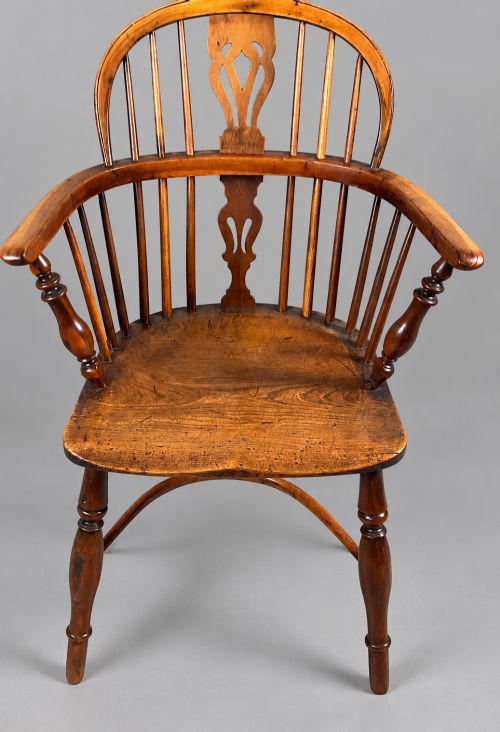
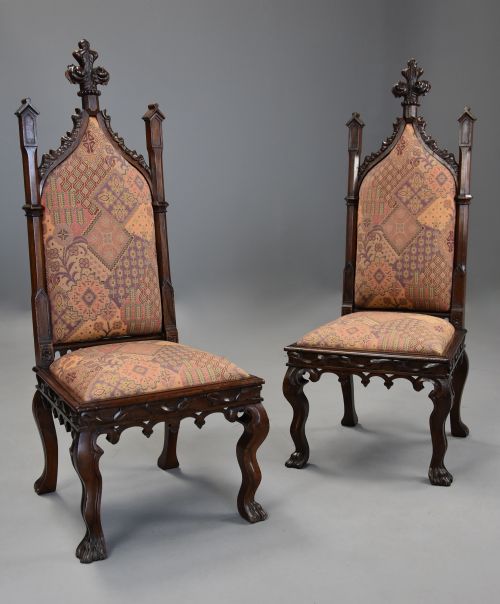
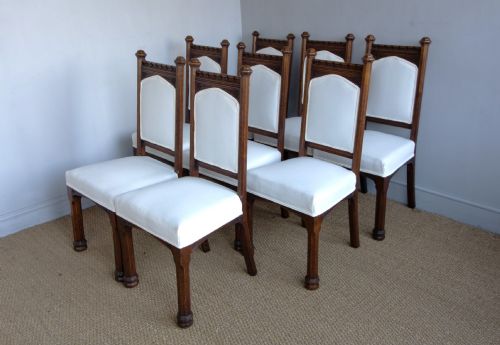
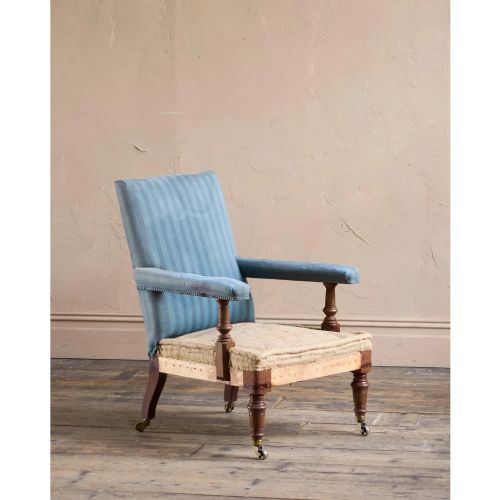
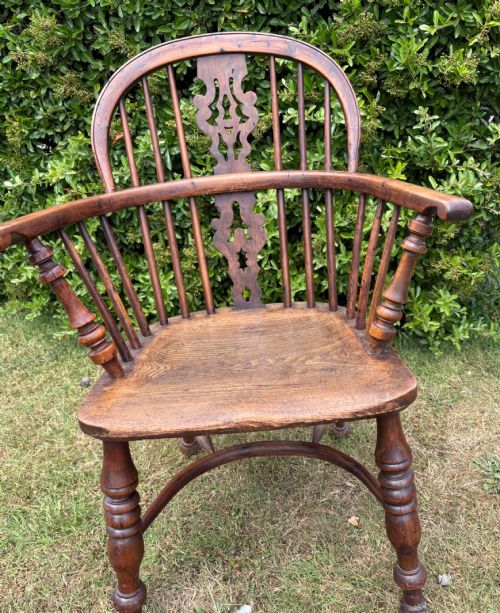
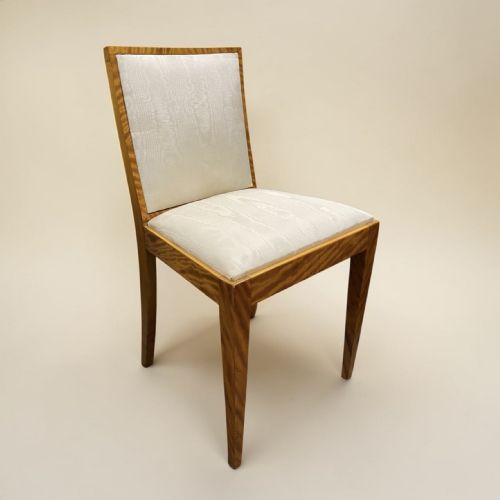
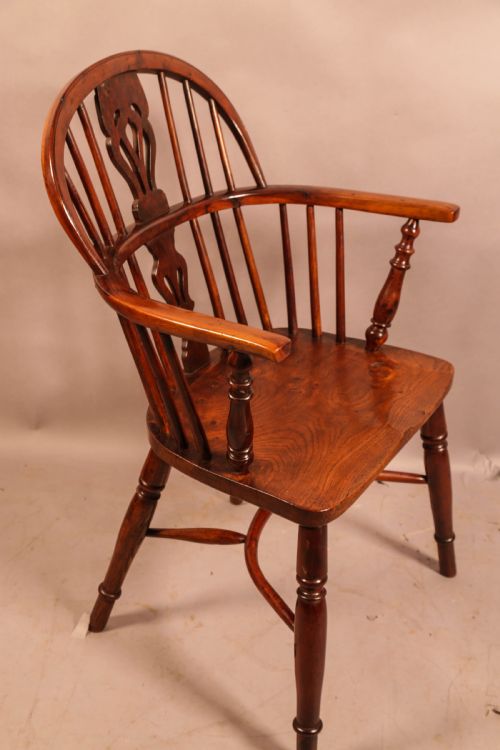
The selections on this page range from formal dining chairs and hall chairs to robust yew wood low back Windsor chairs and low bedroom seats. Buyers encounter everything from country vernacular seating to refined Rosewood and Mahogany library armchairs.
Regional British and Irish cabinet makers feature strongly, providing distinct regional variations in timber choice and structural form. Pieces emerge from workshops located in places such as Worksop, Edinburgh, Dublin, and the Channel Islands.
How they were made
Makers utilised solid native and imported timbers, selecting sturdy Yew wood and burr Yew for regional Windsor seating, alongside Mahogany and Rosewood for formal dining and hall chairs. Elm and Oak also appear in vernacular construction.
Joinery methods reflect the specific seating form, utilising traditional frame construction for upholstered library armchairs and turned spindle framing for low back windsors. Metal elements such as brass appear on specific seating types, while fabric provides the primary upholstery medium.
Antique Maker Chair Retail Price Guide 2026
Typical asking prices for maker chair among the pieces listed under this phrase on Sellingantiques today, from the lower quarter to the upper quarter. They describe what is for sale here now, not the wider market.
Several Windsor chairs preserve the anonymous pride of a Rockley maker who simply left his stamp in the wood.
What varies in quality
The distinction between tiers rests upon the clarity of the maker's stamp, label or attribution, alongside the sophistication of the timber selection. Burled woods and finely figured rosewood indicate superior workshop output.
Structural integrity and the retention of original timber components define the higher end of the range. Chairs maintaining untouched surfaces and legible maker documentation command greater interest than heavily altered examples.
Norwich Maker·W A Willcocks·Morison and Co·Gabbitass Worksop Maker·Bath Cabinet Makers·Whytock and Reid·Robert Strahan Dublin·Rockley Maker·R Whytock of Edinburgh·John Taylor and Sons·John Moss Worksop·W W Peirce·London Maker
The Antique Maker Chair Glossary
- Windsor chair
- A wooden chair featuring a saddle-shaped seat into which the legs and back spindles are separately inserted. These vernacular chairs often highlight regional timber choices like yew wood.
- Prie-Dieu chair
- A low devotional chair designed for private prayer, featuring an upright back often topped with a padded ledge. They became particularly popular during the Victorian period.
- Hall chair
- A stiff-backed wooden chair placed in an entrance hall, rarely intended for long periods of sitting. They frequently display carved heraldry or maker labels.
- Library armchair
- A deeply comfortable upholstered seating form intended for reading rooms and studies. These chairs often utilise mahogany or rosewood frames.
- Vernacular style
- Furniture built by local rural makers following regional traditions rather than metropolitan high styles. These pieces rely heavily on native timbers such as elm and yew.
Antique Maker Chair: Frequently Asked Questions
How do I identify a maker chair?
Makers often marked their output using paper labels, ink stamps, or branded signatures directly into the wood framework. These marks usually appear beneath the seat, along the underside of the rails, or on the rear stiles.
Studying the specific timber selection and regional construction methods also helps connect a piece to a known workshop or geographic location.
Where should I place a hall chair?
Hall chairs suit entranceways, corridors, or narrow landings where deep seating is impractical. Their rigid upright backs and wooden seats make them functional accent pieces rather than lounging furniture.
Because historical hall chairs were designed to display the maker's skill or the owner's status, they work effectively as standalone decorative items against a wall.
How do I care for antique wood chairs?
Maintain antique timber furniture by keeping it away from direct heat sources and drastic humidity changes. This prevents the wood from drying out, cracking, or causing traditional joinery to loosen.
Apply high-quality beeswax periodically to nourish the surface finish and protect the natural grain of woods like mahogany, rosewood, and yew.