



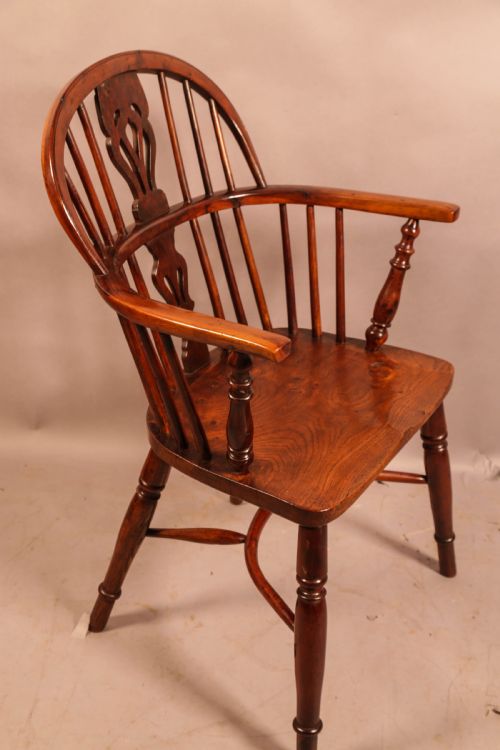


Antique Maker Armchair
An antique maker armchair brings documented provenance and traditional craftsmanship straight into a room, offering the character that only a signed or stamped piece possesses.
Antique Maker Armchair
When you search for an antique maker armchair, you are looking at seating bearing the tangible mark, stamp or attribution of a known cabinetmaker, workshop or retail firm. The selection here spans the nineteenth century and the early twentieth century, taking in both formal library seating and vernacular country furniture.
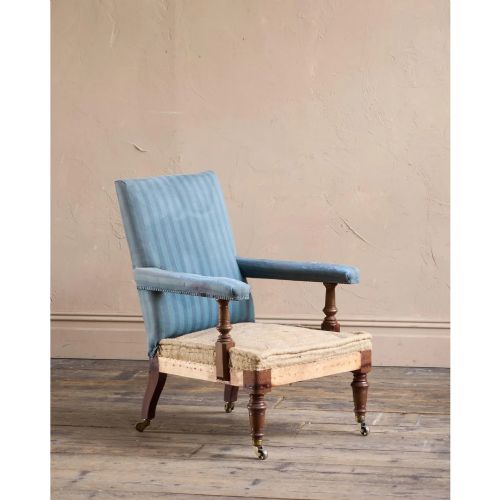
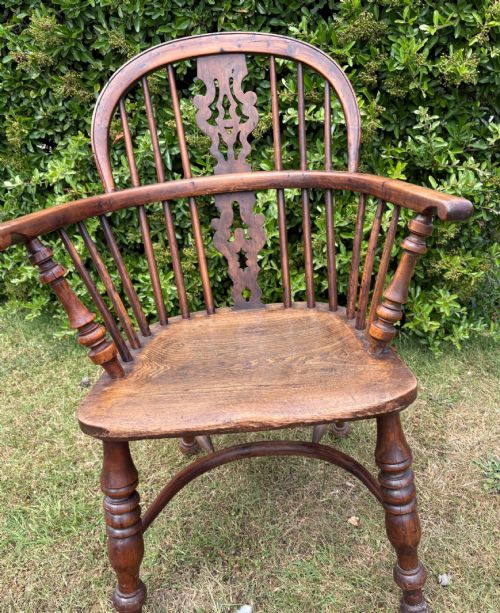
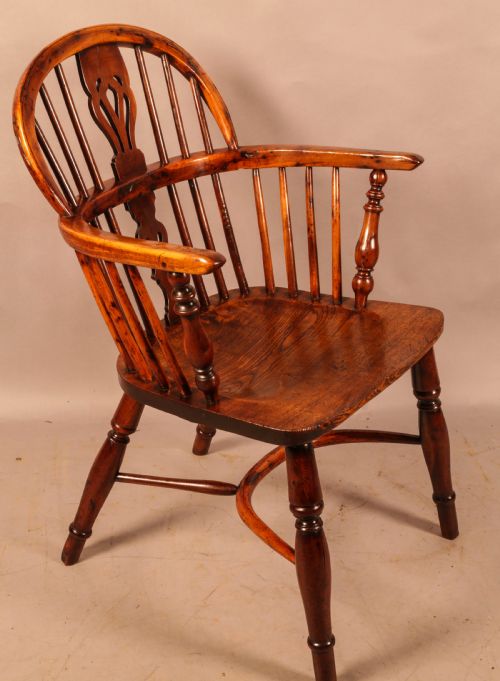
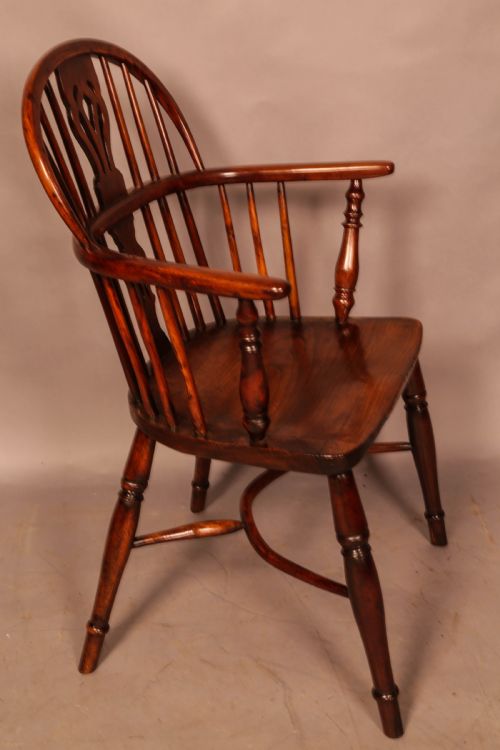
The most frequent version you will meet on this page is the low back Windsor armchair shaped from yew wood, often bearing regional maker attribution such as Rockley.Alongside these vernacular Windsor forms, the listings present upholstered library armchairs and open armchairs shaped in styles ranging from English country to Victorian and Queen Anne revival.
Makers represented span Scottish cabinet houses like Whytock and Reid and John Taylor and Sons, through to Dublin firms such as Robert Strahan and Morison and Co. Workshop origins also reach into English provincial towns, recording names like Gabbitass and John Moss alongside stamped Victorian pieces.
How they were made
Construction relies upon native timber selection, with yew wood and burr yew utilised for vernacular Windsor armchairs, alongside elm and mahogany for framed seating. Turners and joiners shaped spindles, legs and bow backs to create sturdy seating structures designed for daily service.
Upholstered forms incorporate traditional stuffing techniques beneath textiles such as hessian, supported by brass details where required. Maker attribution is applied through stamps, paper labels or numbers directly onto the wood or frame structure.
Cabinetmakers occasionally left hidden workshop numbers beneath the upholstery, turning chairs into numbered puzzles for future finders.
What varies in quality
Quality rests in the crispness of a maker stamp or paper label, which confirms provenance and workshop origin. A clear mark from a notable maker elevates a piece above anonymous workshop production.
Timber selection and grain figure dictate visual merit, particularly in yew wood and burr yew Windsor armchairs where rich figuring defines the surface. Structural integrity of the turned spindles and joined frames also marks the distinction between standard provincial output and finer cabinet work.
Morison and Co·Gabbitass Worksop·Whytock and Reid·Robert Strahan·Rockley·John Taylor and Sons·John Moss Worksop
The Antique Maker Armchair Glossary
- Low back Windsor
- A vernacular wooden armchair featuring a low continuous back bow supported by spindles above a solid contoured seat. This form relies on traditional stick-back construction.
- Maker stamp
- An impressed mark into the wood surface recording the workshop, cabinetmaker or retail firm responsible for the piece. These stamps provide direct historical attribution.
- Burr yew
- A growth formation on yew trees yielding timber with intricate, swirling grain patterns. It is typically utilised for decorative Windsor chair seats.
- Open armchair
- A seat with un-upholstered wooden armrests, allowing a clear view of the structural joinery and framing. These frequently reflect specific historical revival styles.
Antique Maker Armchair: Frequently Asked Questions
How do I identify a maker mark?
Look along the seat edges, underneath the wooden base, or on the rear frame for stamped letters or paper labels.
Workshop numbers or retailer inscriptions may also appear in these concealed areas on Victorian seating.
What is a low back Windsor?
A low back Windsor is a wooden armchair where the back bow sits lower than standard chair heights, supported by turned spindles.
These pieces were built using native timbers like yew and elm for domestic country house use.
How do I care for yew wood?
Keep wooden armchairs away from direct heat sources and sudden humidity shifts to prevent timber splitting.
Apply traditional wax polish occasionally to nourish the grain and maintain the surface sheen.
Are these chairs comfortable for daily use?
Windsor chairs feature contoured wooden seats shaped to the body for practical seating support.
Upholstered library armchairs offer padded seating designed for reading rooms and studies.