

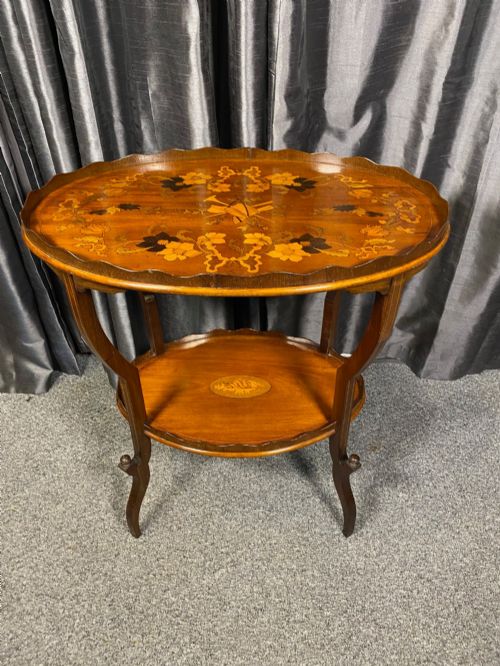
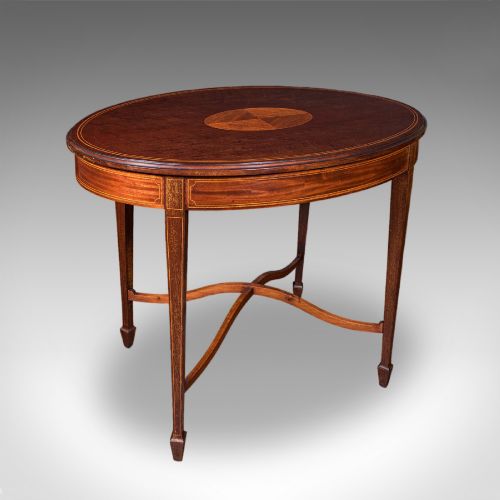
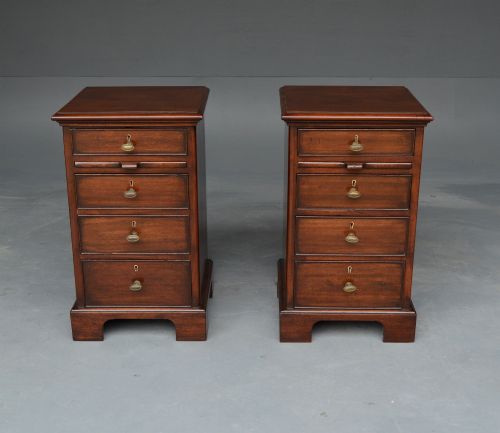
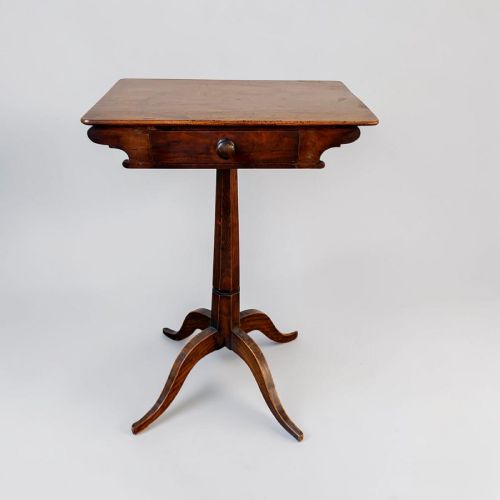
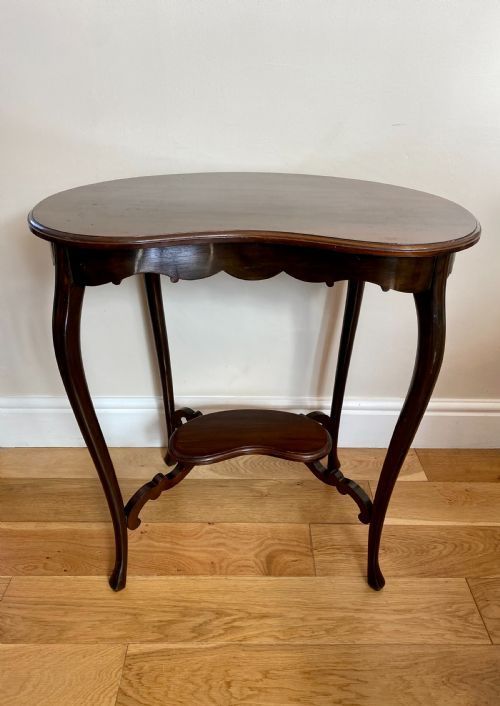
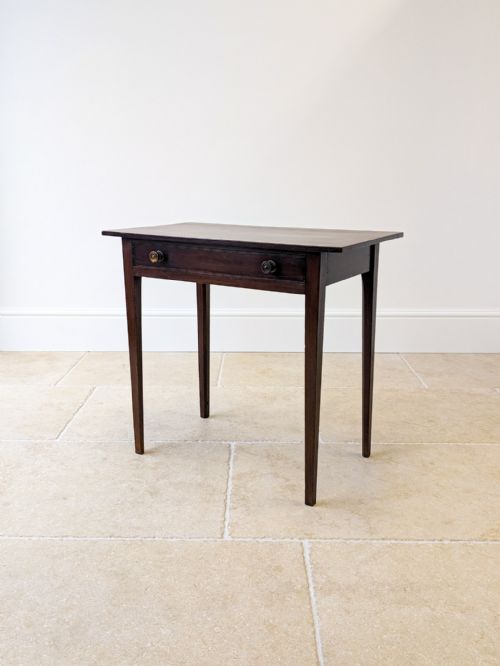
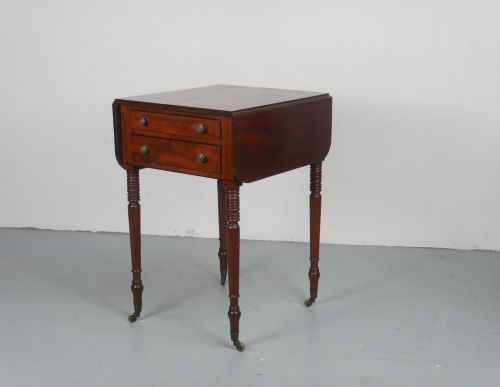
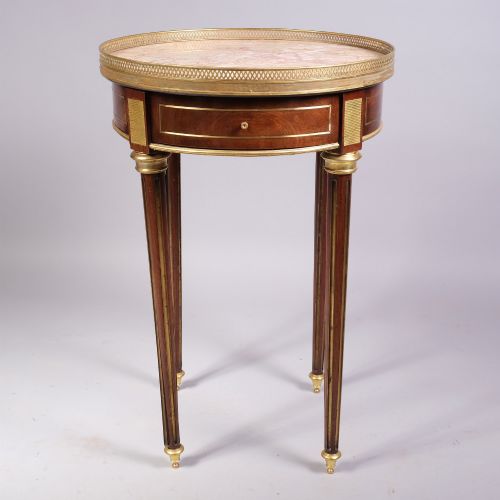
Antique Mahogany Lamps
These antique mahogany lamps and lamp tables bring warm timber grain and steady historic light into a room.
Antique Mahogany Lamps
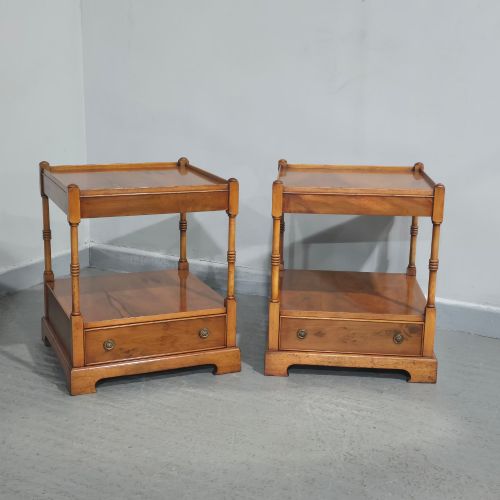
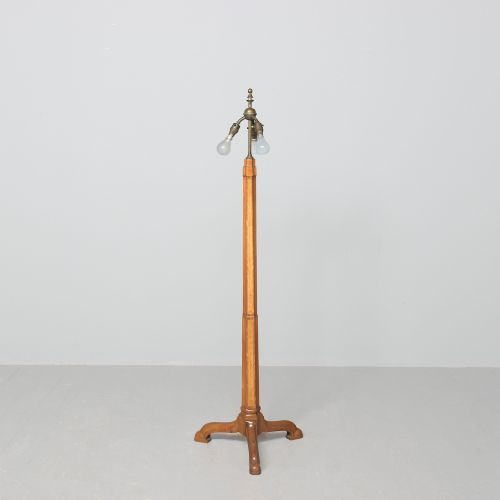
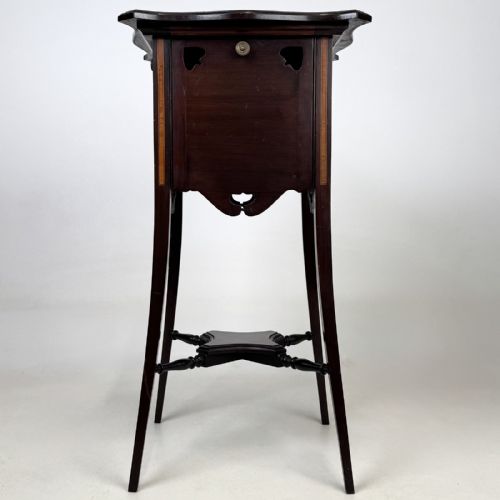
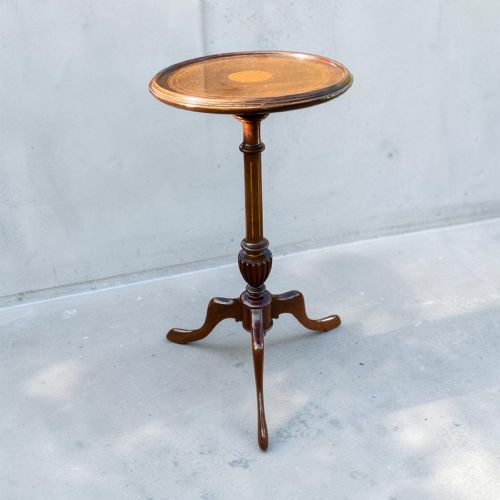
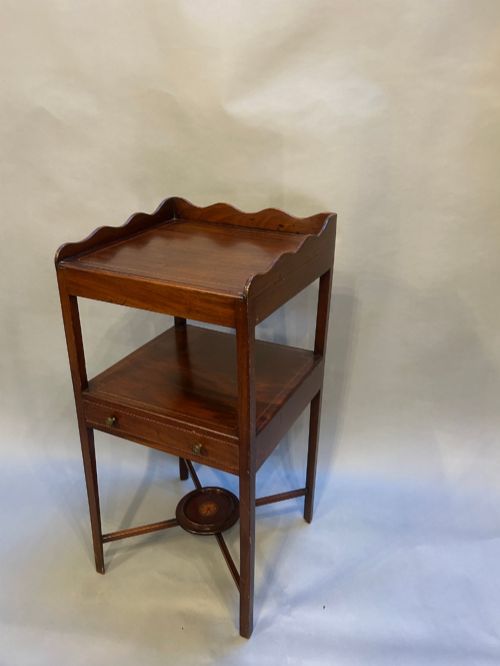
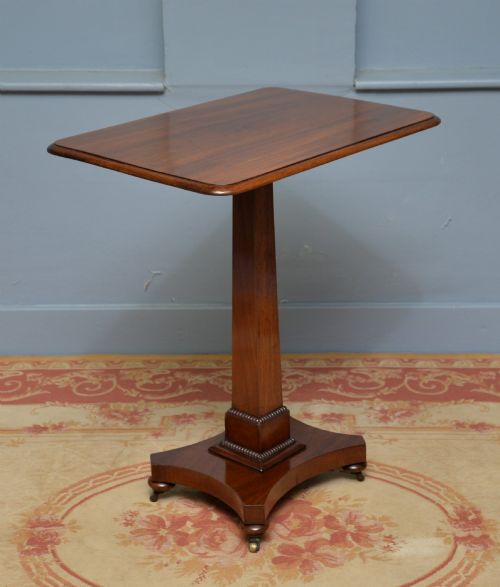
When searching for antique mahogany lamps, buyers typically encounter small tables adapted or designed for lighting, alongside occasional pieces from the Georgian, Victorian, and Edwardian periods. These pieces serve as functional stands for illumination or as small accent surfaces beside seating.
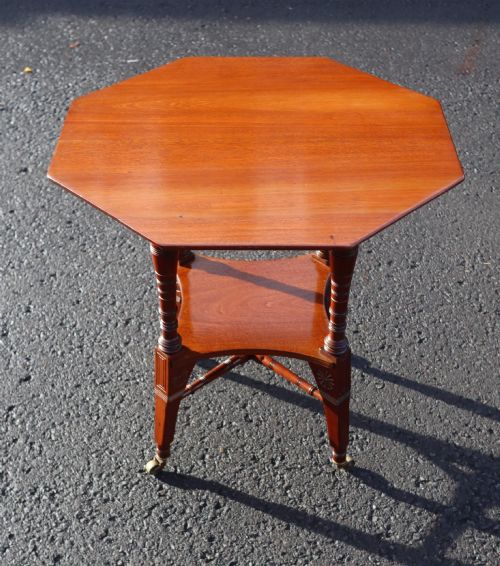
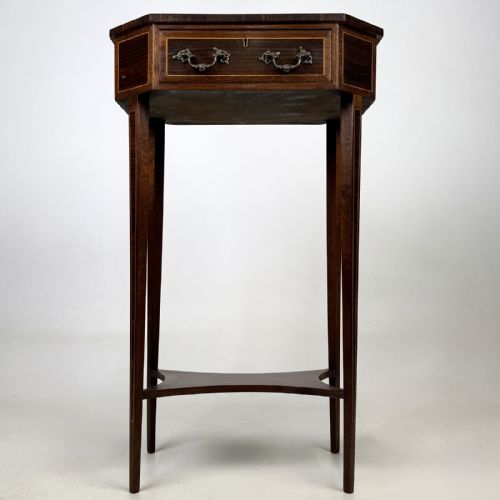
The selection ranges from circular tilt-top tripod designs of the Georgian era to galleried Victorian lamp tables and inlaid Edwardian sewing tables. Side tables, wine tables, and nests of tables also appear frequently in this category.
Originating predominantly from British workshops across the eighteenth and nineteenth centuries, these items reflect changing domestic needs for portable lighting and flexible parlor furniture.
Materials and construction
Makers utilised solid mahogany and figured mahogany veneers over secondary timbers, often pairing the dense dark wood with contrasting brass galleries, boxwood inlay, or satinwood stringing. Marble tops and fabric elements also appear on specific Victorian and Edwardian examples.
Joinery methods rely on traditional techniques such as mortise and tenon frames, turned pedestal columns, and tripod legs terminating in pad or spade feet. Inlaid surfaces incorporate precise hand-cut stringing and decorative marquetry motifs.
Antique Mahogany Lamps Retail Price Guide 2026
Typical asking prices for mahogany lamps among the pieces listed under this phrase on Sellingantiques today, from the lower quarter to the upper quarter. They describe what is for sale here now, not the wider market.
Several tables feature clever nesting designs that allow four separate surfaces to hide inside the footprint of one.
Markers of quality
Quality rests upon the selection of timber grain, the crispness of carved details like gadrooned edges or barley twist stems, and the structural integrity of the joints. Finer examples display balanced proportions, select figured mahogany, and subtle, well-executed stringing.
Lesser pieces exhibit simpler construction, plain unfigured timber, or later alterations to the original structure. The refinement of the brass mounts and the precision of the inlay separate standard production from superior cabinet work.
The Antique Mahogany Lamps Glossary
- Tilt-top
- A table mechanism allowing the circular or oval top to pivot vertically when not in use. This space-saving design is common on Georgian tripod lamp tables.
- Tripod
- A three-legged table base providing stability on uneven floors without rocking. It typically supports a central turned pillar.
- Gallery
- A raised miniature rail surrounding the edge of a tabletop to prevent items from sliding off. These fixtures are frequently cast in brass.
- Marquetry
- Decorative patterns formed by fitting contrasting wood veneers into a prepared ground. It is seen on finer Victorian and Edwardian table surfaces.
- Gadrooned edge
- A carved ornamental border consisting of curved, fluted ridges. This detail often trims the perimeter of Edwardian tabletops.
- Quartetto
- A nest of four graduating tables designed to slide neatly beneath one another. They gained popularity during the Edwardian period in mahogany and satinwood.
Antique Mahogany Lamps: Frequently Asked Questions
What defines an antique mahogany lamp table?
An antique mahogany lamp table is a small occasional piece designed specifically to support a lighting fixture, featuring sturdy timber construction from the Georgian, Victorian, or Edwardian eras.
These surfaces provide a stable base and appropriate height for reading lamps placed beside armchairs or sofas.
How do I identify a Georgian lamp table?
Georgian pieces typically display cleaner lines, tripod bases with pad feet, and solid figured mahogany timber without heavy decorative inlays.
Many examples from this era include tilt-top mechanisms intended to save space in smaller eighteenth-century drawing rooms.
Where should I place an antique table in a modern room?
These compact tables fit well beside reading chairs, in hallways as small accent surfaces, or nestled near sofas for holding portable lamps.
Their restrained proportions allow them to integrate easily into various interior schemes while adding rich timber tones.
What is the difference between a side table and a lamp table?
While the terms often overlap in listings, lamp tables generally feature smaller, circular, or square tops proportioned specifically for holding a light source.
Side tables tend to be rectangular and were historically used for serving drinks or displaying decorative objects.