
Antique Mahogany Glass
Antique mahogany glass pieces combine warm timber frames with clear panels, offering timeless storage and display options for collectors.
Antique Mahogany Glass
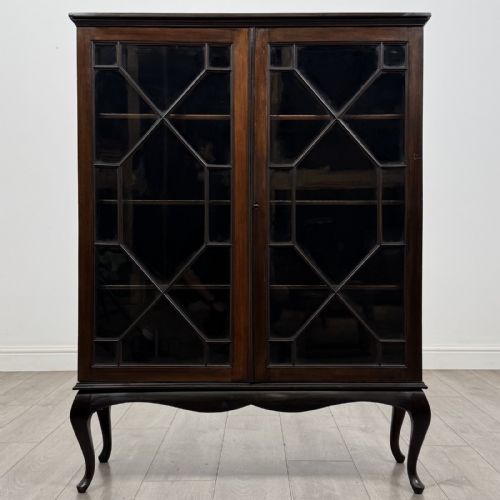
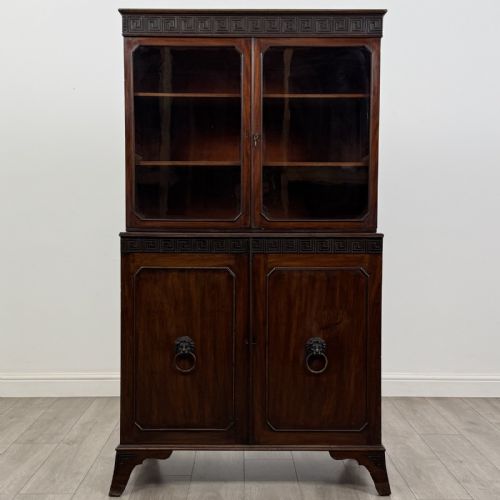
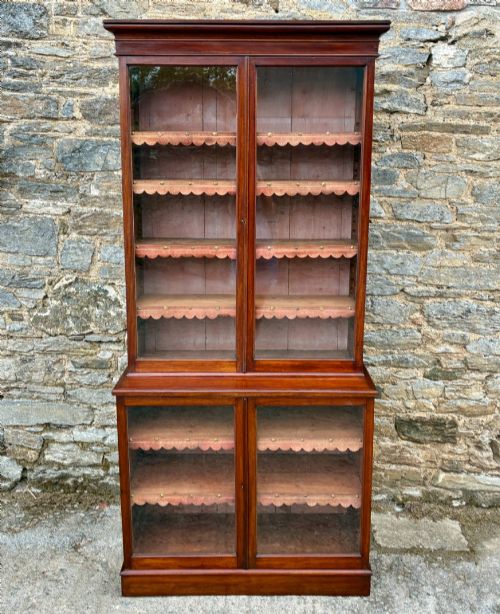
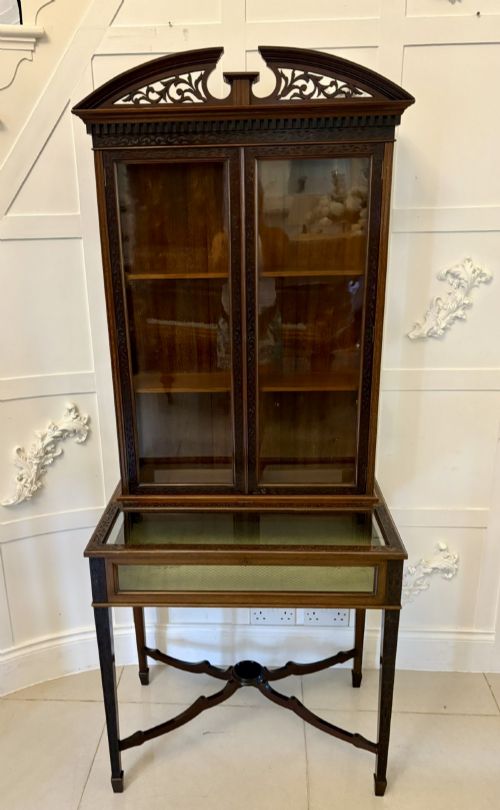
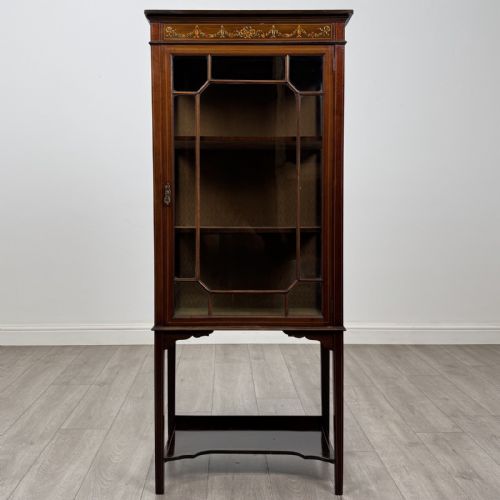
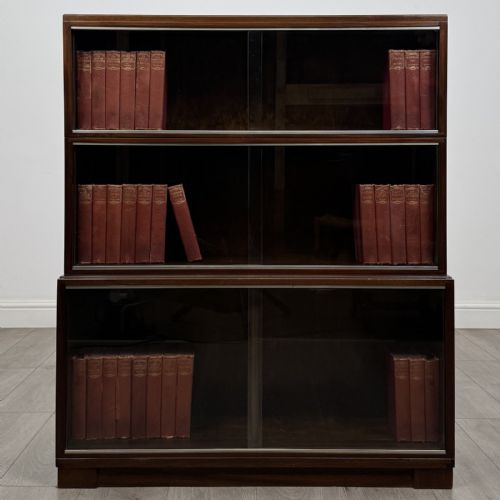
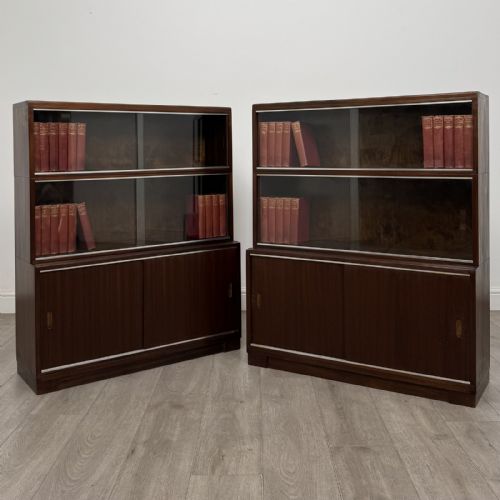
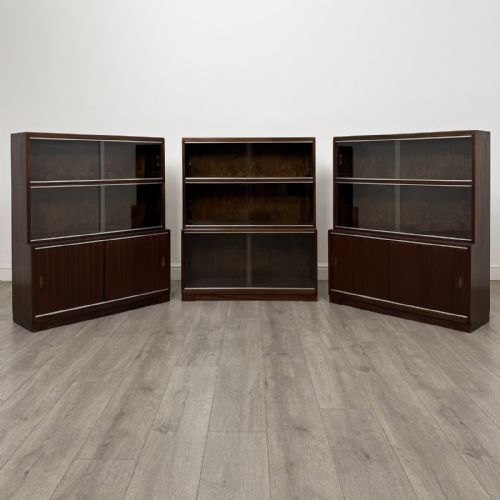
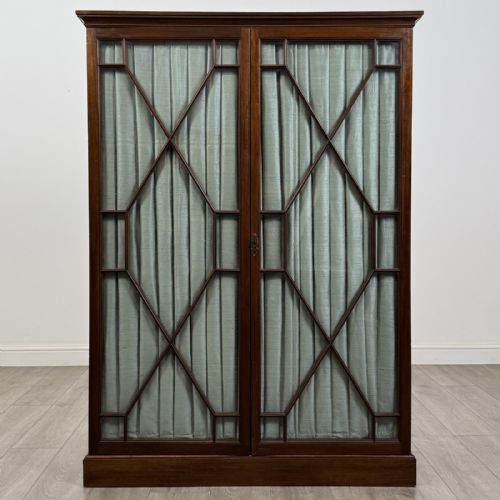
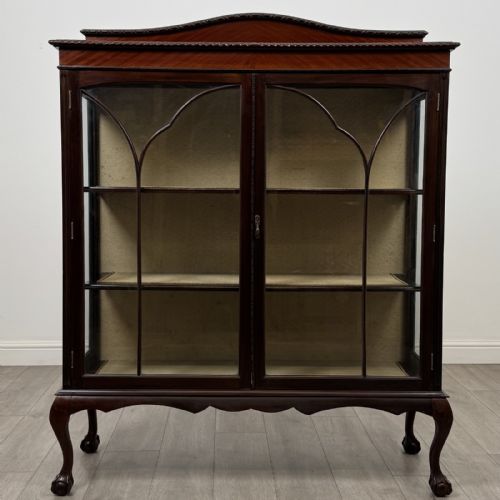
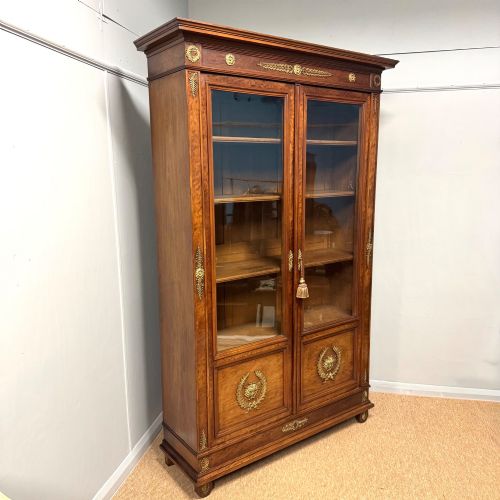
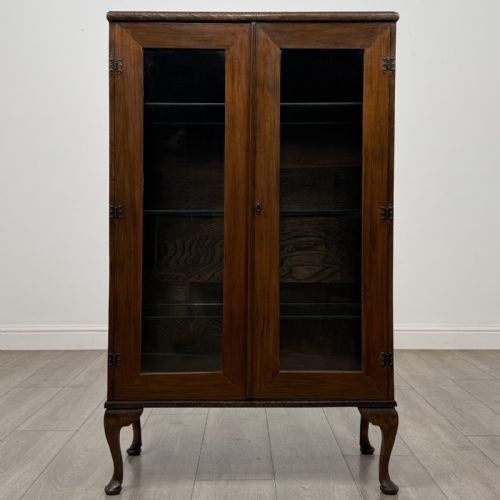
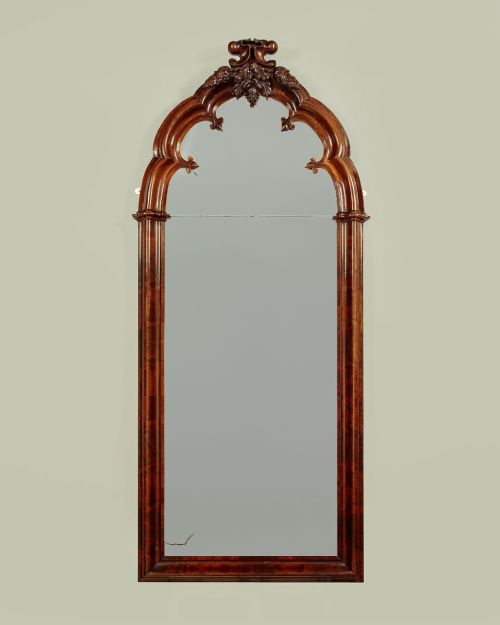
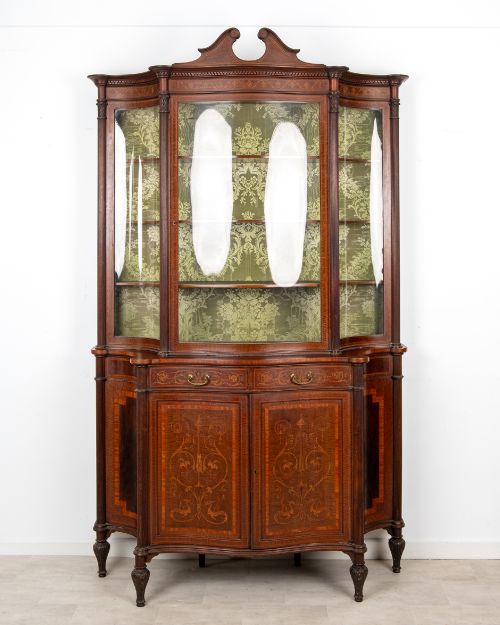
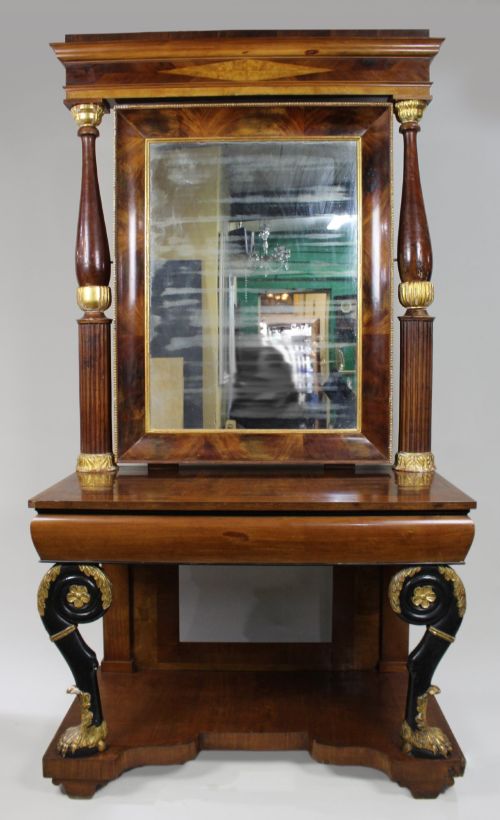
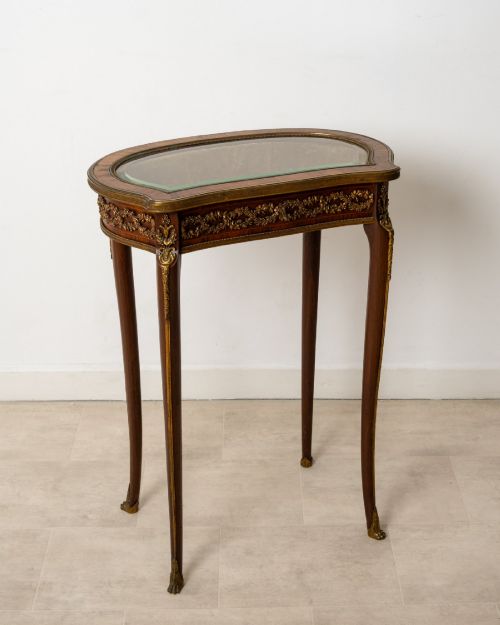
When you search for antique mahogany glass, you encounter a wide selection of furniture and decorative objects designed to showcase or reflect items within a room. These pieces range from tall library bookcases and breakfront display cabinets to dressing table mirrors, cheval mirrors, and delicate countertop shop display cases.
The objects span multiple periods, with Victorian, Edwardian, and Georgian eras dominating the selection. Display cabinets and bookcases tend to feature glazed doors or glass sides, while smaller items incorporate bevelled mirror glass or magnifying lenses set into rich timber frames.
How they were made
Makers utilised solid mahogany and veneers alongside structural secondary timbers like oak, often applying satinwood inlay, brass fittings, and parcel gilt highlights to enhance the visual depth of the timber. Glass panels were integrated into door frames, tabletops, and mirror surrounds, utilising bevelled edges and leaded sections in various regional workshops.
Cabinetmakers constructed display cases, bookcases, and mirrors using traditional joinery techniques suited to the weight of the timber and glass. Surface finishes involved hand-applied polish that highlighted the natural grain and rich colour inherent in the mahogany.
Listings feature items spanning the Georgian, Regency, Victorian, and Edwardian periods, constructed primarily from mahogany with glass, brass, and satinwood.
What varies in quality
Quality in these pieces depends on the selection of timber figures, such as flame mahogany or fine satinwood stringing, paired with precise marquetry or inlay work. Finer examples show careful proportion in breakfront designs and well-executed joinery on glazed doors and mirror frames.
The integration of original hardware, such as brass handles and working locks, alongside heavy bevelled glass or clear pane integrity, marks the distinction between standard utilitarian items and superior cabinetmaking.
F. Sage & Co·Jas Shoolbred·James Gardner·D. Hill Carter & Co·Edwards & Roberts
The Antique Mahogany Glass Glossary
- Astragal
- A moulding profile used to divide glass panes within a window or cabinet door. It creates a grid pattern typical of Georgian and Victorian bookcases.
- Bijouterie table
- A glass-topped display table designed to hold small valuables, coins, or jewellery. These tables often feature glazed sides and lined interiors.
- Breakfront
- A cabinet design where the central section projects forward from the flanking wings. This architectural form provides depth and structure to large bookcases.
- Cheval mirror
- A freestanding full-length mirror mounted on a swivel frame between two upright pillars. The design allows the glass to tilt at various angles.
- Vitrine
- An enclosed glass display cabinet designed to showcase porcelain, curiosities, or decorative objects. The term originates from the French word for glass.
Antique Mahogany Glass: Frequently Asked Questions
How do I clean antique glass and mahogany?
Use a soft, dry cloth to remove dust from the mahogany surfaces without stripping the polish. Clean the glass panels gently with a mild glass cleaner applied to a cloth rather than sprayed directly onto the timber.
Avoid placing these items in direct sunlight or near heat sources, as fluctuations in temperature can affect both the wood and the old glazing putty.
Can I adjust the shelves in an antique bookcase?
Most antique bookcases and display cabinets feature fixed wooden shelves or simple fixed support ledges rather than modern adjustable metal tracks. Altering the interior layout is rarely recommended because it alters the original structure of the piece.
When planning what to store inside, check the fixed shelf heights against your books or collections to ensure a proper fit before purchase.
How do I identify a Georgian mirror from a Victorian revival?
Georgian mirrors often exhibit lighter construction, hand-beveled or thinner plate glass, and specific fretwork patterns associated with 18th-century cabinetmaking manuals. The backing boards and fixings usually show age-appropriate wear and handmade screw types.
Victorian and later revival pieces tend to be heavier, utilising machine-rolled glass and standardised hardware while copying earlier Chippendale or Sheraton styles.